For mining engineers and environmental managers, the decision to implement a recessed chamber filter press for tailings dewatering is often driven by a critical operational challenge: the need to transform a high-volume, wet slurry liability into a stable, manageable solid. The pressure to move beyond traditional pond storage is intensifying, yet selecting the right mechanical dewatering technology requires navigating complex trade-offs between cake dryness, throughput, and total cost. Misconceptions persist that all filter presses are equal or that the highest dryness automatically justifies the investment, overlooking the importance of integrated system design and material compatibility.
The shift towards dry stack tailings and responsible water stewardship is no longer just a regulatory consideration—it’s a strategic imperative for operational resilience and social license. A recessed chamber filter press represents a significant capital commitment. Understanding its precise operational mechanics, optimal application windows, and true lifecycle economics is essential for making a defensible capital allocation that delivers both environmental compliance and long-term financial return.
How a Recessed Chamber Filter Press Works
Core Mechanical Principle
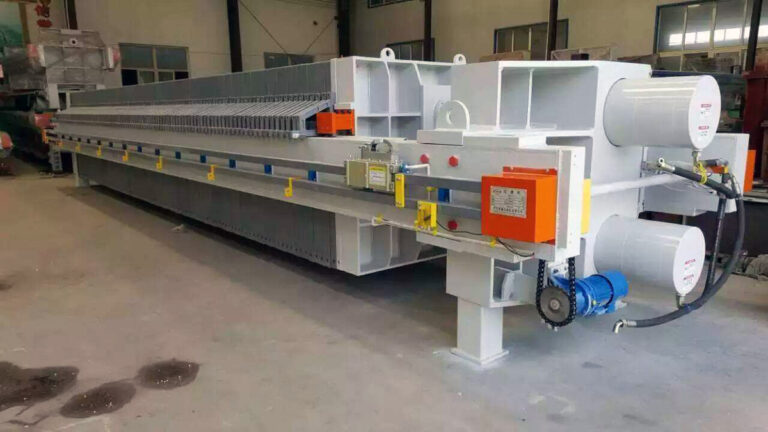
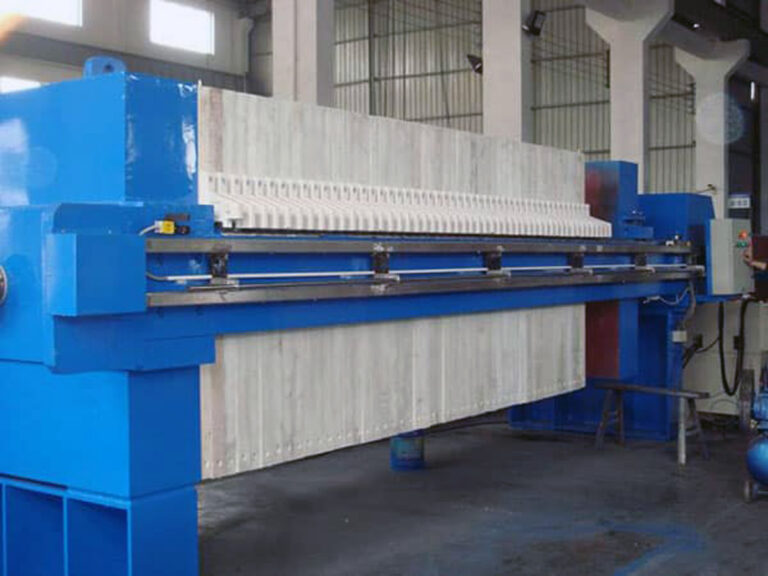
A recessed chamber filter press operates as a fixed-volume, batch-process machine engineered for high-pressure solid-liquid separation. Its core consists of a robust framework and a filter pack of recessed plates. When hydraulically compressed, the depressed areas of adjacent plates form sealed chambers. Slurry is pumped under high pressure—often exceeding 225 psi (16 bar)—into these chambers via a large central feed port. This center-feed design is critical for mining slurries, as it enables fast, uniform filling and significantly reduces the risk of port clogging compared to corner-feed designs.
The Filtration and Discharge Cycle
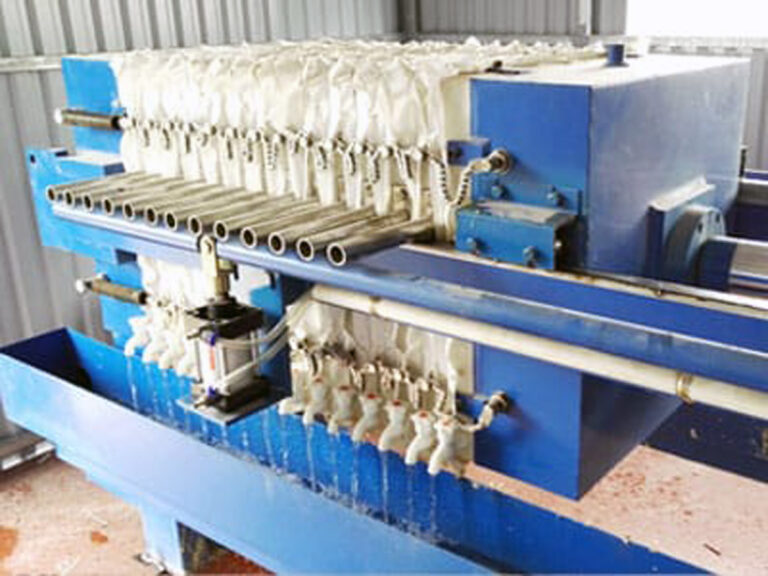
During the filtration phase, the liquid filtrate is forced through filter cloths lining each plate, while solids are retained and compacted into a dense cake within the chamber. The cycle often concludes with an air blow phase to displace residual moisture from the cake pores. Upon plate separation, the formed cakes are discharged by gravity. Industry experts recommend paying close attention to the feed pump selection; a robust positive displacement pump is non-negotiable for maintaining the required pressure profile against increasing cake resistance. We compared various feed systems and found that pump failure is the single most common point of performance degradation in an otherwise well-specified press.
The Role of Automation
The fundamental batch operation is transformed by robotic automation, which targets the traditional bottleneck of manual labor. Automated plate shifters and cloth washing systems directly address the most time-consuming and hazardous aspects of the cycle. This integration, governed by hydraulic systems whose integrity is verified by standards like ISO 2941:2022, increases system availability and safety, moving the equipment from a simple batch processor toward a reliable, near-continuous dewatering node.
Key Advantages for Mining Tailings Dewatering
Achieving Ultimate Dryness and Stability
The primary advantage for tailings management is the production of an exceptionally dry, stable filter cake. The high operating pressure maximizes solids concentration, dramatically reducing the volume and weight of material for disposal or storage. This capability is foundational for dry-stack tailings facilities, directly mitigating the long-term geotechnical and environmental liabilities associated with wet impoundments. The resulting cake has a high shear strength, improving stack stability.
Handling Challenging Slurries and Recycling Water
The press’s robust construction and design reliably handle abrasive, variable-composition slurries common in mining. Furthermore, the system produces a clear filtrate, often suitable for direct recycling as process water. This supports critical circular economy strategies and reduces freshwater dependency. In my experience, the clarity of the filtrate is an easily overlooked benefit that can significantly offset water procurement costs and environmental footprint.
Operational and Strategic Synergies
These combined advantages make it a key technology for operations prioritizing waste minimization and risk reduction. The reduced tailings volume lowers transportation costs if off-site disposal is required and minimizes the footprint of on-site storage. It transforms tailings from a fluid containment problem into a more manageable solid waste scenario, offering a clear pathway for operations in water-scarce regions or those with stringent closure requirements.
When to Choose This Filter Press for Tailings
Strategic Alignment with Dry Stacking
Selecting this technology is a strategic decision. It is the optimal solution when the tailings management strategy mandates dry stacking or aims to drastically minimize the footprint and risk of liquid impoundments. The press is particularly effective for dewatering fine, problematic tailings like clays and ultra-fine silts, which challenge other mechanical methods like centrifuges or belt presses.
Site-Specific Application Drivers
It is also ideal for operations with space constraints, as its footprint is far smaller than large settling ponds. Furthermore, it serves applications with stringent effluent quality requirements or where the filtered solids might have potential for alternative use, requiring maximum dryness for handleability. According to industry best practices, skipping pilot testing with actual tailings is a high-risk strategy that can lead to significant capital underutilization.
The Decision Threshold
The choice becomes clear when the priority shifts from mere dewatering to solidification. If the goal is to produce a conveyable, stackable solid that minimizes long-term liability and maximizes water recovery, the recessed chamber press moves from an option to the necessary solution.
Technical Comparison: Filter Press vs. Alternatives
Batch vs. Continuous Paradigms
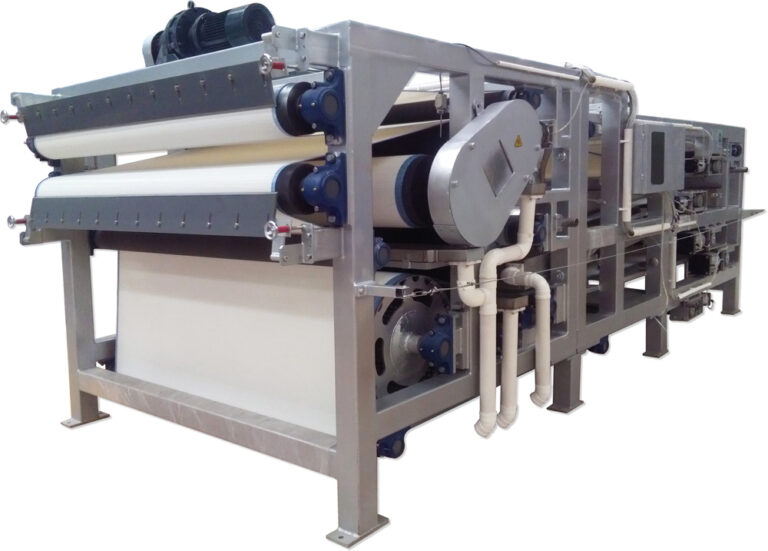
Understanding the recessed chamber press’s position requires a clear comparison to common alternatives. Versus continuous dewatering equipment like a belt filter press, the recessed chamber unit typically achieves a much drier cake but operates in batch mode, requiring buffer tanks for continuous slurry streams. Belt presses are better suited for high-throughput, less challenging materials where ultimate dryness is secondary to processing volume.
Variations Within Filter Press Technology
Within filter press technology itself, membrane squeeze plates can be integrated to apply secondary isostatic pressure, often yielding even drier cakes at increased cost and complexity. Compared to a traditional plate-and-frame press, the recessed design offers superior structural integrity for high-pressure feeds but trades off the flexibility to adjust cake thickness.
The following table clarifies the primary operational trade-offs between these key technologies:
Performance and Operational Mode Comparison
| Dewatering Technology | Secura típica do bolo | Primary Operational Mode |
|---|---|---|
| Recessed Chamber Press | Exceptionally dry | Batch process |
| Plate-and-Frame Press | Alta | Batch process |
| Prensa de filtro de correia | Less dry | Continuous process |
| Membrane Squeeze Press | Maximum dryness | Batch process |
Fonte: JB/T 4333.2-2016 Recessed plate and frame filter press. This industry standard provides the technical specifications and testing parameters for recessed chamber filter presses, establishing the baseline performance against which alternatives are compared.
Selecting the Right Tool
The choice hinges on the primary objective: ultimate solids concentration and stability (favoring recessed chamber) versus maximum continuous throughput or operational flexibility. For mining tailings destined for dry stacking, the dryness advantage of the recessed chamber press is usually decisive.
Critical Design and Material Specifications
Plate Materials for Harsh Service
Material selection is paramount for durability in mining environments. Filter plates are commonly made from high-density polypropylene for corrosion resistance. However, for extremely abrasive slurries or operating pressures consistently above 16 bar, the specification must shift to steel-core or coated ductile iron plates. This material progression is essential to prevent catastrophic plate failure and reduce lifecycle costs from wear. The standard JB/T 4333.2-2016 defines the technical conditions and material requirements for these core components.
Cloth Selection and Framework Features
Filter cloths are selected based on particle size distribution and slurry chemistry, typically from synthetic fabrics like polypropylene. The framework design incorporates critical features like integrated drip trays and dual overhead beams. Dual beams provide safe access for cloth replacement and enhance structural stability under high clamping forces.
The specifications for these components vary based on duty cycle and slurry characteristics:
Component Specifications for Different Duties
| Componente | Standard Material | Heavy-Duty Specification |
|---|---|---|
| Filter Plates | Polipropileno | Steel-core / Coated iron |
| Pressão operacional | Up to 16 bar | Above 16 bar |
| Framework Feature | Dual overhead beams | Integrated drip trays |
| Filter Cloths | Polypropylene fabric | Slurry chemistry-specific |
Fonte: JB/T 4333.2-2016 Recessed plate and frame filter press. This standard defines the technical conditions, material requirements, and inspection rules for the core components of recessed chamber filter presses, including plates and structural integrity.
An Integrated System View
These integrated features are not optional extras; they lower the total cost of ownership by reducing maintenance time, containing spills, and minimizing operational hazards. Specifying a press is about specifying an integrated dewatering system.
Operational Cycle and Maintenance Considerations
Anatomy of a Filtration Cycle
A complete automated cycle includes closing, filling/filtration, optional membrane squeeze, air blow, cake discharge, and periodic cloth washing. The efficiency of the filling and filtration phases is heavily dependent on the ancillary feed pump. A positive displacement piston diaphragm pump is often required to handle abrasive, high-solids slurry and deliver the necessary rising pressure profile.
The Maintenance Regimen
Maintenance revolves around cloth replacement, hydraulic system upkeep, and plate inspection. Automated cloth washing systems and robotic plate shifters directly address the traditional maintenance bottlenecks of manual cleaning and plate shifting, reducing labor intensity and increasing system availability. The reliability of hydraulic components is critical, as their failure can halt the entire system.
The key parameters and equipment for each phase are outlined below:
Cycle Parameters and Critical Equipment
| Cycle Phase | Parâmetro-chave | Critical Ancillary Equipment |
|---|---|---|
| Filtragem | High-pressure feed (>225 psi) | Positive displacement pump |
| Air Blow | Residual moisture displacement | Compressed air system |
| Manutenção | Cloth replacement frequency | Automated washing system |
| Automação | Plate shifting bottleneck | Robotic plate shifter |
Fonte: ISO 2941:2022 Hydraulic fluid power — Filter elements — Verification of collapse/burst pressure rating. This standard is critical for verifying the pressure integrity of hydraulic filter elements, which are essential for the safe, high-pressure operation of automated filter press systems.
From Batch to Near-Continuous
A well-maintained, automated press transforms from a simple batch processor into a reliable, high-availability dewatering system. The operational focus shifts from manual cycle management to monitoring system performance and planned preventative maintenance.
Assessing Total Cost of Ownership and ROI
Moving Beyond Capital Expenditure
Evaluating a filter press requires a full lifecycle cost analysis. Key operational cost drivers include energy consumption for pumping and hydraulics, maintenance (cloth replacement, hydraulic fluids, wear parts), and labor. The high upfront capital expenditure is often justified by significant downstream savings and risk mitigation.
Quantifying Downstream Value
Reduced tailings volume lowers transportation and disposal costs. Dry stacking minimizes long-term environmental liability and future closure expenses. Water recovery cuts freshwater procurement and treatment costs. Automation, while increasing capital outlay, justifies itself through labor savings, higher throughput, and improved safety.
The total cost breakdown reveals where value is captured:
Análise do custo total de propriedade
| Categoria de custo | Key Drivers | Justification / Savings |
|---|---|---|
| Despesas de capital | Plate size, Automation level | High upfront investment |
| Operational Costs | Energy, Cloth replacement, Labor | Automation reduces labor |
| Downstream Savings | Tailings transport, Disposal | Reduced volume & weight |
| Strategic ROI | Water recovery, Liability mitigation | Sustainable practice value |
Fonte: Documentação técnica e especificações do setor.
The ROI Calculation
The return on investment is realized not just in direct operational savings but through operational efficiency, regulatory compliance, and support for sustainable mining practices that create strategic value. The press shifts from being a cost center to a value-protection asset.
Implementing a Filter Press: A Decision Framework
The Non-Negotiable First Step: Pilot Testing
Implementation demands a structured approach. The first step is thorough pilot testing with actual tailings slurry to determine achievable cake dryness, cycle times, and cloth compatibility. Formal test methods, such as those outlined in GB/T 32709-2016, provide the methodology for this crucial evaluation. Skipping this step risks a fundamental performance mismatch.
Aligning Specifications with Strategy
The decision framework must then align technical specifications—plate size, material, automation level, and pump type—with strategic goals like dry stacking or water recovery. Procurement should favor suppliers capable of providing the entire integrated dewatering ecosystem, including testing and lifecycle support, as piecemeal procurement increases integration risk.
A structured implementation pathway mitigates project risk:
Filter Press Implementation Pathway
| Implementation Step | Critical Action | Risk of Omission |
|---|---|---|
| Step 1: Pilot Testing | Use actual tailings slurry | Capital underutilization |
| Step 2: Specification | Align with dry stacking goal | Performance mismatch |
| Step 3: Procurement | Integrated system supplier | Increased integration risk |
| Strategic Outcome | Transform tailings management | Remains a cost center |
Fonte: GB/T 32709-2016 Test method for recessed chamber filter press. This national standard outlines formal test methods for performance evaluation, providing the essential methodology for the crucial pilot testing phase in the decision framework.
The Final Decision
Ultimately, selecting and implementing a recessed chamber filter press is a strategic investment. It is a deliberate choice to transform tailings management from a passive cost center and long-term liability into a controlled, efficient, and more sustainable operation. For a detailed review of high-performance equipamentos de filtragem industrial suitable for mining applications, a thorough technical evaluation is recommended.
The decision to invest in a recessed chamber filter press consolidates around three priorities: the non-negotiable requirement for maximum cake dryness, a strategic commitment to dry stacking and water recovery, and a willingness to manage a batch process for superior results. Implementation success hinges on rigorous pilot testing, specification for durability over initial cost, and procuring the press as an integrated system, not an isolated component.
Need professional guidance to pilot test and specify the right filter press solution for your tailings profile? The engineering team at PORVOO can provide the technical analysis and integrated system design to ensure your dewatering investment delivers on its promise of dryness, stability, and return. Entre em contato conosco to discuss your project parameters.
Perguntas frequentes
Q: How does a recessed chamber filter press achieve a drier cake than a belt filter press for mining tailings?
A: The recessed chamber design operates as a fixed-volume, batch-process machine that subjects slurry to high pressures, often above 225 psi (16 bar), to maximize liquid removal. In contrast, a continuous belt filter press relies on gravity drainage and lower-pressure squeezing. This fundamental difference in pressure capability results in a denser, more stable filter cake. For projects where ultimate dryness and volume reduction are the primary goals over sheer throughput, the recessed chamber press is the superior technical choice.
Q: What are the critical material specifications for filter plates in an abrasive mining application?
A: For highly abrasive slurries or operating pressures exceeding 16 bar, you must specify plates with a steel core or coated ductile iron construction. Standard polypropylene plates, while corrosion-resistant, may fail under these severe conditions. This progression in material strength is essential for preventing plate deformation and reducing lifecycle costs from wear. Facilities processing hard-rock tailings should plan for this higher-grade material specification during procurement to ensure system durability and avoid unplanned downtime.
Q: When is pilot testing essential before implementing a recessed chamber filter press system?
A: Pilot testing is a non-negotiable step when dealing with variable or fine tailings like clays, as it determines achievable cake dryness, optimal cycle time, and compatible filter cloth media. Skipping this phase risks significant capital underutilization and performance shortfalls. This means any operation with a new or inconsistent tailings stream should budget for and conduct rigorous pilot testing to generate the data needed for correct system sizing and specification.
Q: How does automation transform the operational model of a batch filter press?
A: Robotic automation targets the traditional bottleneck of manual labor by automating plate shifting, cake discharge, and cloth cleaning cycles. This integration increases mechanical availability and throughput while enhancing operator safety by reducing direct contact with heavy components. If your operation requires higher uptime or faces labor constraints, you should prioritize automation in your capital evaluation, as it shifts the system from a simple batch processor to a near-continuous dewatering asset.
Q: What standards govern the testing and manufacturing of recessed chamber filter presses?
A: Equipment performance testing should align with methods specified in GB/T 32709-2016, while core design and technical specifications are defined by JB/T 4333.2-2016. These standards provide a formalized basis for evaluating pressure integrity, cycle performance, and build quality. Procurement teams should require vendor compliance with these standards to ensure equipment meets published performance claims and industry-accepted design principles.
Q: Why is the feed pump selection critical for a filter press’s total cost of ownership?
A: The press’s performance is entirely dependent on a robust positive displacement pump, like a piston diaphragm type, capable of delivering abrasive slurry at the required high-pressure profile. Pump failure directly nullifies the dewatering system’s output. This means your operational cost assessment must treat the pump as a critical subsystem, not an ancillary item, and plan for its specific maintenance and potential redundancy to protect the overall investment.
Q: How do you justify the high capital cost of a recessed chamber filter press system?
A: Justification comes from a full lifecycle analysis that accounts for downstream savings from dry cake, including reduced tailings transport/disposal costs, minimized long-term environmental liability for impoundments, and value from recovered process water. The return on investment is realized through operational efficiency and strategic risk mitigation. For operations targeting dry stacking or stringent water recycling, the higher initial cost is typically offset by these substantial operational and closure savings.