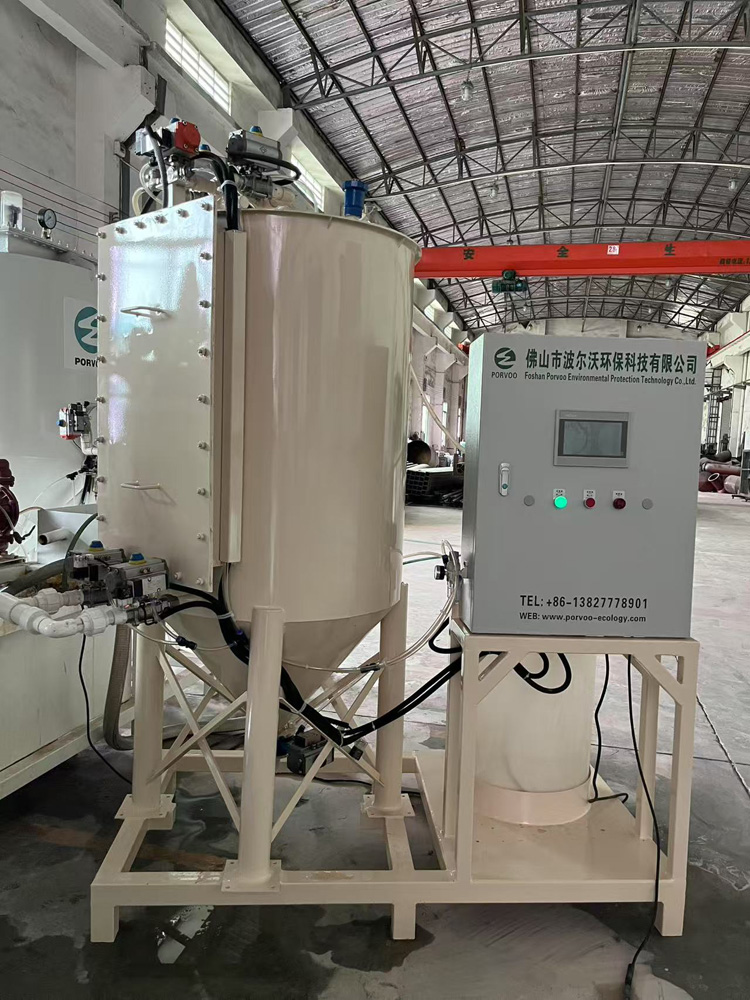
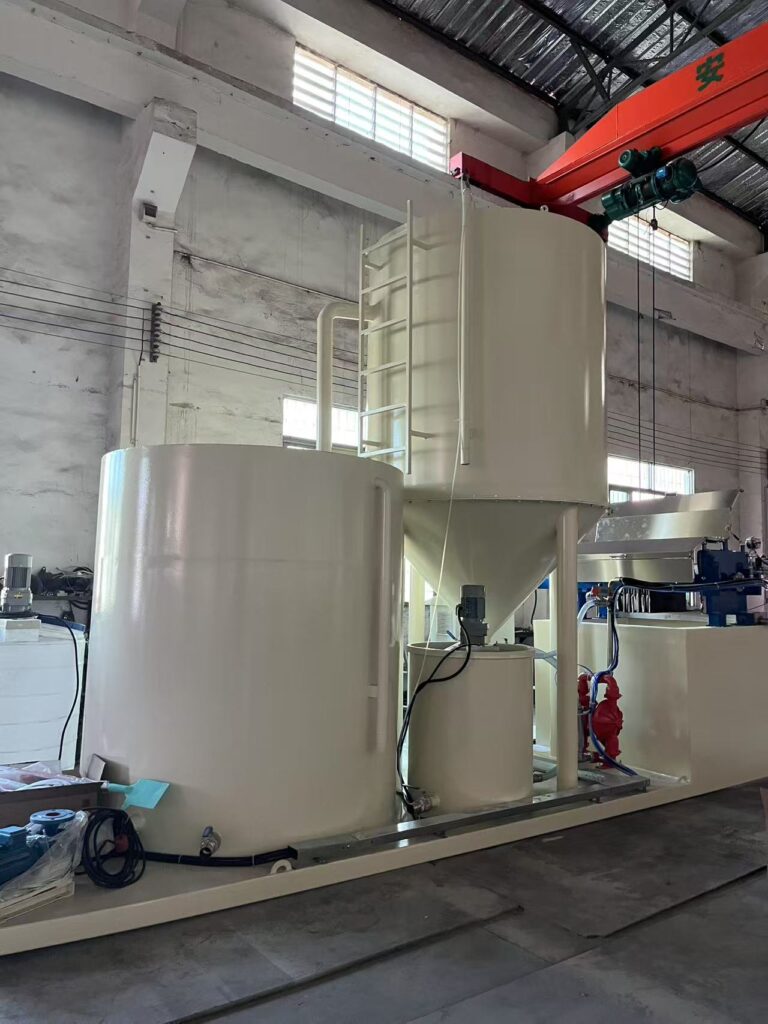
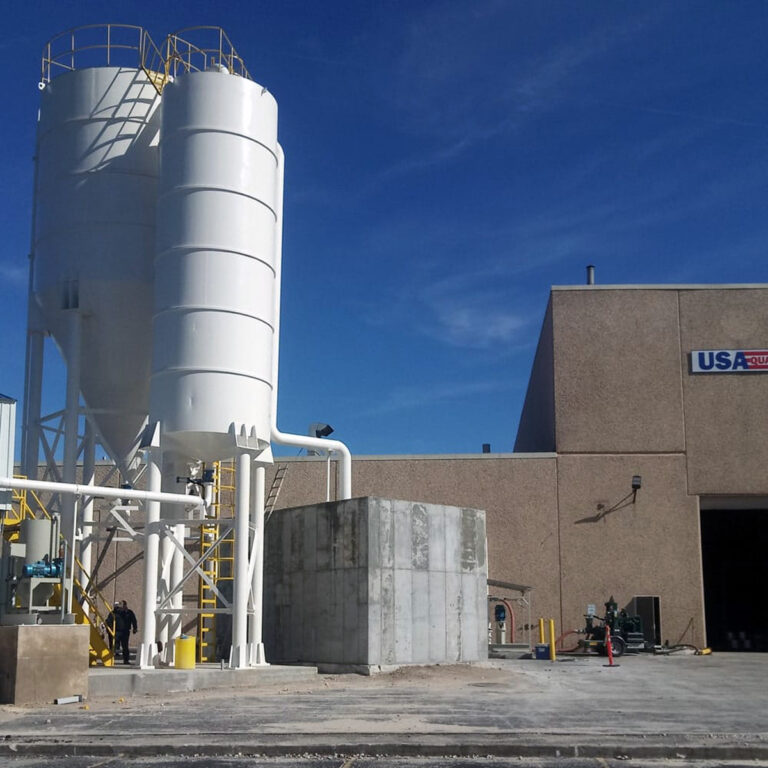
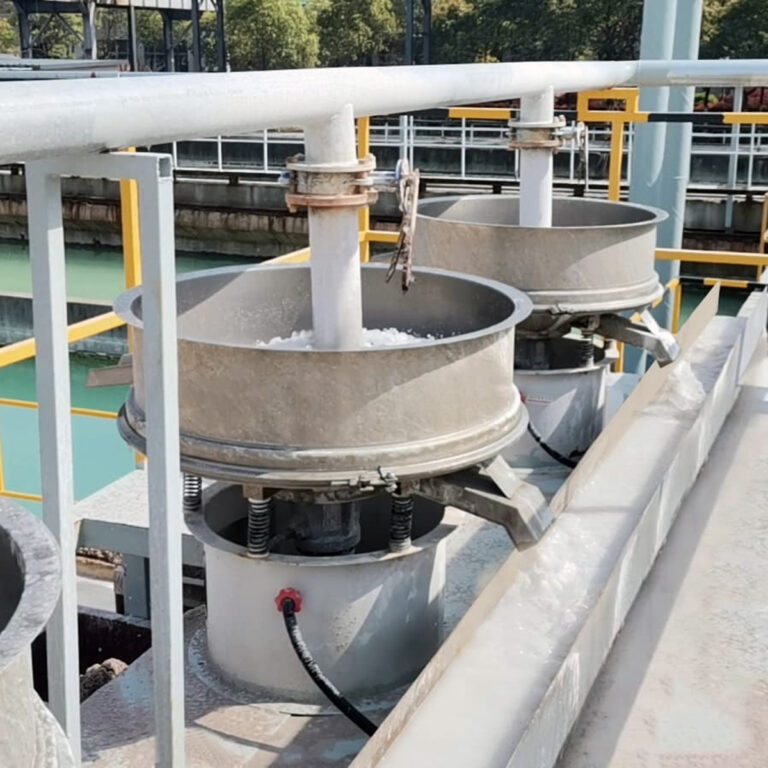
For industrial facility managers and engineers, selecting and implementing a dust collection system is a critical capital decision with long-term operational and financial consequences. The common misconception is that a cyclone is a simple, standalone solution; in reality, its true value is unlocked only when integrated as a strategic component within a broader system design. A poorly specified or installed unit becomes a source of noise, inefficiency, and compliance risk, negating its core benefits.
The 2025 landscape demands a more sophisticated approach. Rising energy costs, stricter OSHA permissible exposure limits, and evolving NFPA standards for combustible dust have transformed dust collection from a housekeeping task into a strategic operational imperative. This guide provides the technical framework for selection, installation, and optimization, moving beyond basic specifications to address total cost of ownership and facility integration.
How Cyclone Dust Collectors Work: The Core Principle
The Physics of Centrifugal Separation
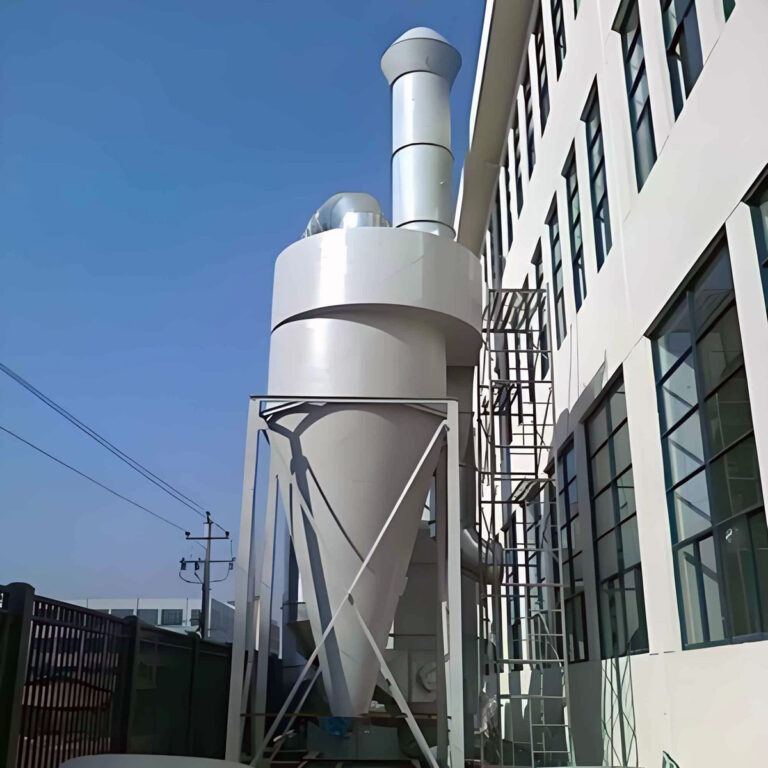
Cyclone dust collectors operate on a principle of inertial separation. Contaminated air enters a cylindrical or conical chamber tangentially, creating a high-velocity vortex. Heavier dust particles are forced against the outer wall by centrifugal force, spiral downward into a collection hopper, and cleaned air reverses into an inner vortex to exit through a central outlet. This process requires no moving parts in the separation chamber, contributing to the system’s inherent durability.
The Strategic Maintenance Advantage
The primary benefit of this design is operational, not just particulate removal. By acting as a pre-separator, a cyclone removes over 99% of coarse debris before it reaches the final filter. This drastically reduces filter loading and the frequency of cleaning cycles. Industry experts recommend this two-stage approach for high-volume operations, as it sustains system CFM and extends filter life, creating a clear trade-off between higher initial capital expenditure and significantly reduced long-term labor and consumable costs.
Application Boundaries and Efficiency
It’s critical to understand a cyclone’s efficiency curve. While exceptionally effective on particles larger than 20 microns, efficiency drops for finer dusts. Therefore, a cyclone is rarely a complete solution. Its role is to protect the downstream, more expensive final filter—whether a baghouse or cartridge—from the bulk of the material. In our analysis of system configurations, this pre-separation stage is what validates the investment by safeguarding the components most prone to wear and highest in replacement cost.
Key Technical Specifications for Industrial Selection
Beyond Horsepower: The Engineered System
Selecting a system requires evaluating motor power (HP) and airflow (CFM) as an engineered pair, not independent specs. An undersized motor strains under load, while an oversized one wastes energy and may not generate proper airflow dynamics. The advertised CFM is often measured under ideal, clean-filter conditions. Professionals must demand system-level performance data and fan curves that account for real-world static pressure from ductwork and loaded filters to avoid costly undersizing.
Material-Specific Design Imperatives
The material being collected imposes non-negotiable design boundaries. Standard systems are engineered for wood dust. Processing plastics, metals, or combustible powders requires consultation for specific safety certifications, component abrasion resistance, and static control. According to research from safety audits, using a standard wood-dust cyclone for metal fines can lead to rapid wear, spark risks, and voided warranties, making early supplier technical assessment mandatory.
Interpreting the Specification Sheet
A proper specification sheet is a decision-making tool, not a marketing document. Easily overlooked details include the cyclone’s cut point (the particle size collected at 50% efficiency), construction gauge, and filter media specification. The following table outlines the key parameters that require precise matching to your facility’s needs.
Critical Selection Parameters
This table defines the core technical specifications that must be evaluated during the selection process to ensure performance and safety.
| Parâmetro | Principais considerações | Typical Range / Critical Factor |
|---|---|---|
| Motor Power (HP) | Must match system CFM | Engineered pair with airflow |
| Fluxo de ar (CFM) | Real-world static pressure | Demand system-level performance data |
| Tipo de material | Safety & durability | Wood, plastics, metals, combustible powders |
| Pressão estática | Filter & ductwork load | Use fan curves for selection |
| Safety Certification | Combustible dust handling | Mandatory for non-wood applications |
Fonte: Documentação técnica e especificações do setor.
Installation Best Practices for Maximum Performance
Strategic Placement for Noise and Space
Proper installation is paramount for achieving rated performance. Placing the collector in a dedicated, isolated room or exterior shed is highly recommended. This directly addresses the critical constraint of noise abatement, as cyclones typically operate at 83-86 dB, and frees valuable production floor space. If housed separately, a dedicated, baffled return air path must be engineered to maintain proper building pressure and thermal balance.
Ductwork Design for Minimal Static Loss
Ductwork design is a primary determinant of system efficiency. Use short, straight runs with long-radius elbows to minimize turbulence and pressure drop. All joints must be sealed with mastic, not duct tape, to prevent leaks. A straight duct run of at least 6 feet into the cyclone inlet is ideal for establishing a stable airflow profile. I’ve seen systems lose 15-20% of their rated CFM due to poor duct design alone.
Environmental and Safety Hardening
The installation environment dictates mandatory upgrades. Outdoor placements require weatherproofed components, appropriate electrical classifications (NEMA ratings), and potential freeze protection. These considerations typically add 10-25% to the installation budget but are non-negotiable for reliability and code compliance. The following table summarizes the installation variables that directly impact long-term performance and cost.
Installation Variables and Impact
Adhering to these best practices during installation ensures the system operates at its design efficiency and minimizes future operational issues.
| Componente | Best Practice | Key Metric / Impact |
|---|---|---|
| Placement | Dedicated, isolated room | Noise reduction (83-86 dB typical) |
| Ductwork Inlet | Straight run before cyclone | Minimum 6 feet |
| Duct Design | Long-radius elbows, sealed joints | Minimizes static pressure loss |
| Outdoor Installation | Weatherproofing & electrical class | Adds 10-25% to budget |
| Return Air Path | Baffled, dedicated pathway | Required for remote placement |
Fonte: Documentação técnica e especificações do setor.
Cyclone vs. Baghouse vs. Cartridge: A System Comparison
Defining the Primary Role of Each Technology
Choosing the right technology involves evaluating trade-offs in efficiency, maintenance, and physical footprint. Cyclones excel as robust pre-separators for heavy particulate loads. Baghouses, with large fabric filter areas, are effective for continuous collection of finer dusts but require frequent shaking or pulsing. Cartridge collectors offer high efficiency in a compact footprint using pleated filters. The decision is rarely either/or; it’s about optimal sequencing.
The Maintenance and Efficiency Trade-Off
The core differentiator is the relationship between maintenance frequency and filtration fineness. A cyclone’s low maintenance is due to its role protecting another filter. A baghouse captures finer dust directly but needs regular intervention. A cartridge system offers a middle ground with high efficiency but moderate maintenance intervals. For facilities processing mixed debris, a cyclone paired with a final filter like a cartridge unit often provides the optimal balance of protection and final air quality.
Market Segmentation: DIY vs. Turn-Key
The market strategically segments based on integrator capability. DIY modular cyclones appeal to cost-sensitive, skilled teams willing to source components and engineer the integration. Turn-key solutions cater to less technical buyers, offering a single point of responsibility but often at the cost of system customization and potential vendor lock-in for parts and service.
Technology Comparison Matrix
This comparison clarifies the distinct roles and ideal applications for each primary dust collection technology.
| Tipo de sistema | Primary Role / Strength | Frequência de manutenção | Aplicação ideal |
|---|---|---|---|
| Ciclone | Pre-separator for heavy loads | Low (protects final filter) | High-volume, coarse dust (e.g., woodworking) |
| Baghouse | Fine dust collection | High (frequent shaking/pulsing) | Continuous collection of finer dusts |
| Cartucho | High-efficiency, compact footprint | Moderado | Fine particulate capture in limited space |
| Market Segment | DIY modular vs. Turn-key | Varies by integrator skill | Cost-sensitive vs. less technical buyers |
Fonte: Documentação técnica e especificações do setor.
Optimizing Performance with Proactive Maintenance
A Regimen Rooted in Two-Stage Design
Sustained efficiency requires a maintenance schedule that respects the system’s architecture. Empty collection drums or hoppers frequently to prevent debris from backing into the final filter, which is the most common failure point in poorly maintained systems. Monitor the system’s pressure gauge religiously; a rising static pressure indicates filter loading and triggers cleaning via integrated shakers or pulse mechanisms.
Component Inspection and Operational Discipline
Periodically inspect the impeller for dust buildup or damage, and check the cyclone interior for signs of abrasion, especially when processing metallic or mineral dusts. Operationally, only open the blast gate for the machine in use. Running multiple gates open simultaneously starves each source of adequate airflow, reducing capture efficiency at the point of generation and allowing dust to escape into the facility.
Validating the Investment
This proactive approach leverages the cyclone’s pre-separation to ensure consistent CFM, protects the fan and motor from imbalance and overload, and ultimately validates the investment by minimizing unplanned downtime and premature replacement costs. The labor saved on filter changes alone often justifies the cyclone’s upfront cost within two years.
Addressing Noise, Space, and Facility Integration
The Primary Constraint: Noise Abatement
Integrating a cyclone demands strategic consideration of physical constraints, with noise being paramount. Even with insulated enclosures, remote placement in a separate room or exterior shed is often the most effective solution. This decision must be made early, as it dictates the need for dedicated return air pathways and potentially longer duct runs, which must be calculated into the static pressure budget.
Space Allocation and Smart Technology Trends
Beyond the unit’s footprint, plan for clearance for drum removal, filter service, and safe access. The trend toward smarter motors with features like Bluetooth control offers ROI through energy monitoring and convenience but influences placement for reliable wireless connectivity. Furthermore, consider material handling routes for waste disposal; positioning the collector near a dock or waste collection point streamlines operations.
Holistic Facility Impact
Ultimately, integration is a holistic exercise. It balances the collector’s physical demands with workflow, ensuring it doesn’t create a bottleneck. The return air pathway is critical—it must be sized correctly and potentially filtered or conditioned to avoid negatively impacting the plant environment. A well-integrated system becomes a seamless part of the infrastructure, not an obstacle.
Ensuring Safety and Regulatory Compliance (NFPA/OSHA)
The Foundation: Combustible Dust Assessment
Compliance is non-negotiable and begins with a formal dust hazard analysis (DHA). For any non-wood dust—including many metals, plastics, and food products—explosion risks must be assessed per NFPA 652:2019 Standard on the Fundamentals of Combustible Dust. Mitigation may require spark-resistant construction, explosion vents or suppression systems, and comprehensive static control measures. This standard provides the fundamental principles for managing these hazards.
Filtration Defines Final Air Quality
Filter technology choice directly determines compliance with OSHA permissible exposure limits (PELs). Systems stratify from 5-micron bags to 1-micron cartridges, with optional 0.3-micron HEPA upgrades for specific toxins. Finer filtration increases static pressure and energy consumption. The performance of these final filters can be evaluated under frameworks like ISO 16890-1:2016 Air filters for general ventilation, which classifies filters based on particulate removal efficiency.
Electrical and Documentation Mandates
All electrical installations must meet NEC code, with outdoor units requiring specific wet-location ratings. Documentation of the DHA, equipment safety certifications, and maintenance logs is not optional; it is routinely required for insurance audits and regulatory inspections. The following table outlines the key risk factors and their corresponding mitigation requirements.
Compliance and Safety Requirements
This framework links specific dust collection risks to the standards and specifications that govern their mitigation.
| Risk Factor | Mitigation Requirement | Standard / Specification |
|---|---|---|
| Combustible Dust | Explosion risk assessment | NFPA 652: Fundamentals of Combustible Dust |
| Nível de filtragem | Final air quality for OSHA PELs | 5-micron bags to 0.3-micron HEPA |
| Electrical Safety | NEC code compliance | Wet-location ratings for outdoor units |
| Documentation | Dust Hazard Analysis (DHA) | Required for insurance/audits |
| Static Electricity | Spark-resistant construction | NFPA standards for non-wood dusts |
Fonte: NFPA 652:2019 Standard on the Fundamentals of Combustible Dust. This standard provides the fundamental principles for identifying and managing fire and explosion hazards from combustible dusts, directly governing the safety requirements for cyclone dust collector applications where such dusts are present.
Developing Your Selection and Implementation Plan
Defining Requirements and Shortlisting
A successful plan merges technical specs with facility strategy. Start by defining non-negotiable requirements: materials processed, required CFM at each source (using industry-accepted capture hood data, not estimates), target filtration level for OSHA compliance, and available space/budget. Use this to shortlist systems, prioritizing precise motor-to-cyclone matching and demanding real fan curve performance data from vendors.
Evaluating Total Cost of Ownership
Factor in total cost of ownership explicitly. Weigh the higher initial cost of a quality cyclone system against the long-term filter savings, reduced labor for change-outs, and lower energy consumption from sustained airflow. This financial model often reveals the strategic value of the investment. Assess in-house technical capability honestly to choose between turn-key and modular solutions.
Phased Implementation and Commissioning
Finally, develop a phased timeline covering procurement, site preparation (including any concrete pads, electrical runs, and ductwork fabrication), installation, and commissioning. Ensure all safety and environmental hardening costs are included in the budget. Commissioning must include airflow verification at each hood and a baseline static pressure reading for future maintenance comparison. For facilities requiring the highest level of air purity, understanding the standards for final filtration, such as ISO 29463-1:2017 High efficiency filters and filter media, is essential for specifying the appropriate downstream filter stage.
The decision pivots on three points: accurately matching system CFM to real-world static pressure, mandating safety certifications for your specific material, and committing to the disciplined maintenance that unlocks a cyclone’s long-term ROI. View the system not as an isolated purchase but as a capital asset integral to production efficiency and facility safety.
Need professional guidance to specify and integrate a high-performance dust collection solution for your facility? The engineering team at PORVOO specializes in translating these technical principles into reliable, compliant systems tailored to industrial applications. Review detailed specifications and design considerations for industrial-grade cyclone dust collection systems to inform your next steps.
Para uma consulta direta sobre os requisitos do seu projeto, você também pode Entre em contato conosco.
Perguntas frequentes
Q: How do you accurately size a cyclone dust collector’s motor and airflow for a real-world application?
A: Correct sizing requires evaluating motor horsepower and cubic feet per minute (CFM) as an engineered pair, not in isolation. You must demand system-level fan curves from suppliers, as advertised CFM often ignores static pressure from ductwork and loaded filters. Oversizing or undersizing creates inefficiency and operational risk. For projects where duct runs are long or material loads are heavy, plan to budget for a professional engineering review to validate performance data before procurement.
Q: What are the critical safety and compliance steps for collecting combustible dusts like metal or plastic powders?
A: Compliance starts with a mandatory dust hazard analysis (DHA) per NFPA 652:2019 Standard on the Fundamentals of Combustible Dust. This assessment dictates required mitigations, which may include spark-resistant construction, explosion venting, or suppression systems integrated into the collector design. All electrical components must meet NEC code for the classified area. This means facilities processing non-wood dusts should consult a specialist early, as safety upgrades can add 10-25% to the project budget.
Q: Why is installation placement a strategic decision for cyclone performance and facility integration?
A: Strategic placement directly impacts noise control and operational efficiency. Isolating the unit in a dedicated room or exterior shed addresses the typical 83-86 dB noise level and frees production floor space. This approach, however, requires designing a dedicated, baffled return air pathway to maintain building pressure. If your operation values floor space and has strict noise ordinances, expect to allocate additional budget for remote housing and ductwork modifications during site preparation.
Q: How does a cyclone’s pre-separation principle translate into long-term operational cost savings?
A: The centrifugal action removes over 99% of coarse particulate before it reaches the final filter. This drastically reduces filter loading and the frequency of maintenance interventions like shaking, pulsing, or bag replacement. While the initial capital expenditure is higher than a single-stage unit, the extended filter life and reduced labor validate the investment. Facilities with high-volume waste streams, like woodworking, should prioritize this total-cost-of-ownership trade-off in their selection analysis.
Q: What filtration standard should we reference for final-stage air quality to meet OSHA exposure limits?
A: Final filter selection defines compliance with OSHA Permissible Exposure Limits (PELs). System performance stratifies from 5-micron bags to 1-micron cartridges, with optional high-efficiency upgrades. For applications requiring capture of very fine particulate matter, the classification and testing of HEPA filters are defined by ISO 29463-1:2017 High efficiency filters and filter media for removing particles from air. If your operation generates respirable fines, plan for the increased static pressure and energy cost associated with finer filtration stages.
Q: How do we choose between a turn-key cyclone system and a modular DIY approach?
A: The choice hinges on your in-house technical capability and need for customization. Turn-key solutions offer integration but may limit future modifications. Modular systems provide flexibility for skilled integrators but require deeper technical knowledge for assembly and optimization. This market segmentation means less technical buyers often get locked into integrated systems, while cost-sensitive operations with skilled staff can use professional forums as de facto advisory channels to successfully implement modular units.
Q: What is the core maintenance routine to protect a cyclone collector’s performance and components?
A: A proactive regimen focuses on the two-stage design: empty collection drums frequently to prevent filter contamination and monitor the system’s pressure gauge to identify loading trends. Inspect the impeller periodically for buildup and check the cyclone interior for abrasion. Operationally, only open the blast gate for the active machine to maintain source capture airflow. This disciplined approach ensures consistent CFM, protects the fan and motor from strain, and minimizes unplanned downtime.