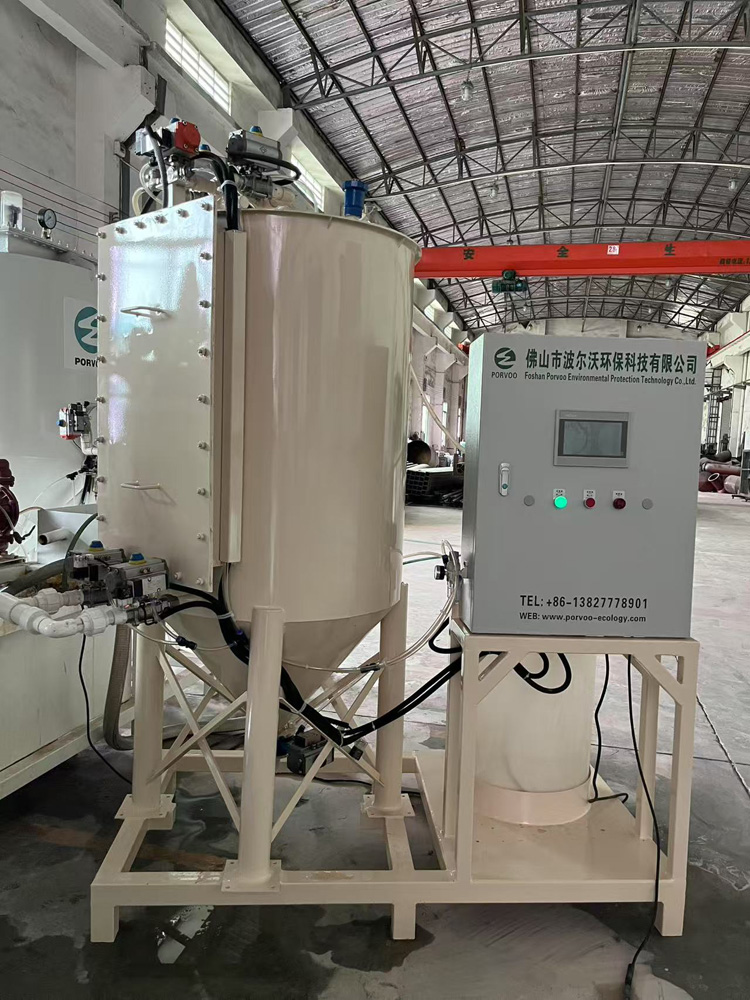
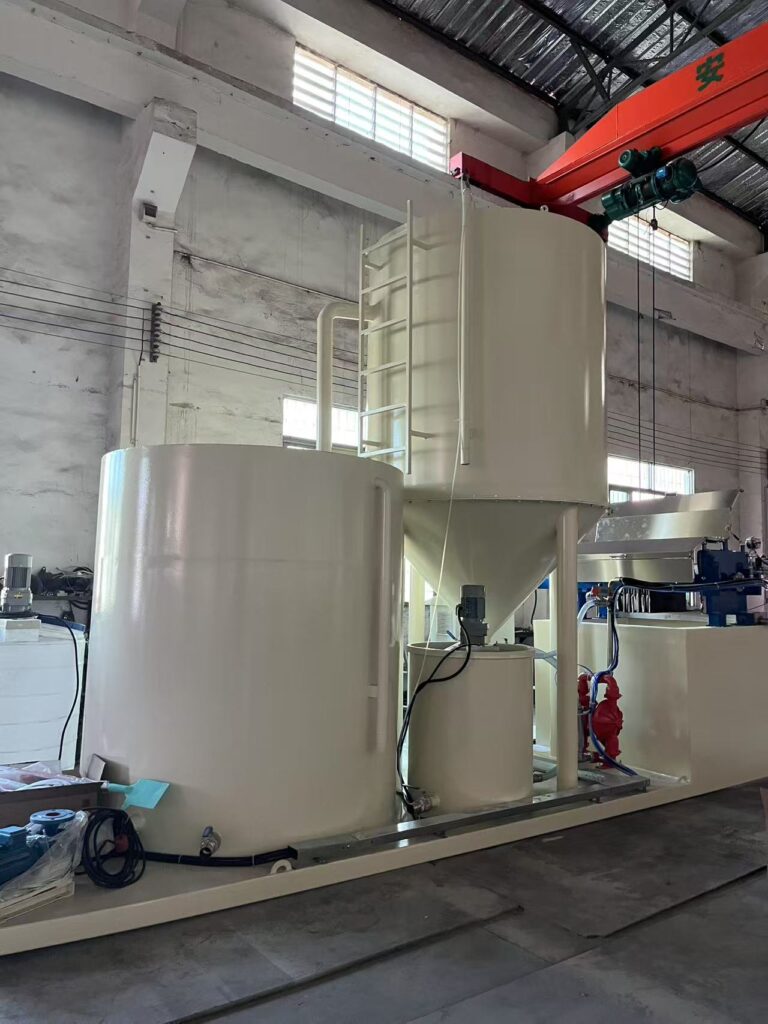
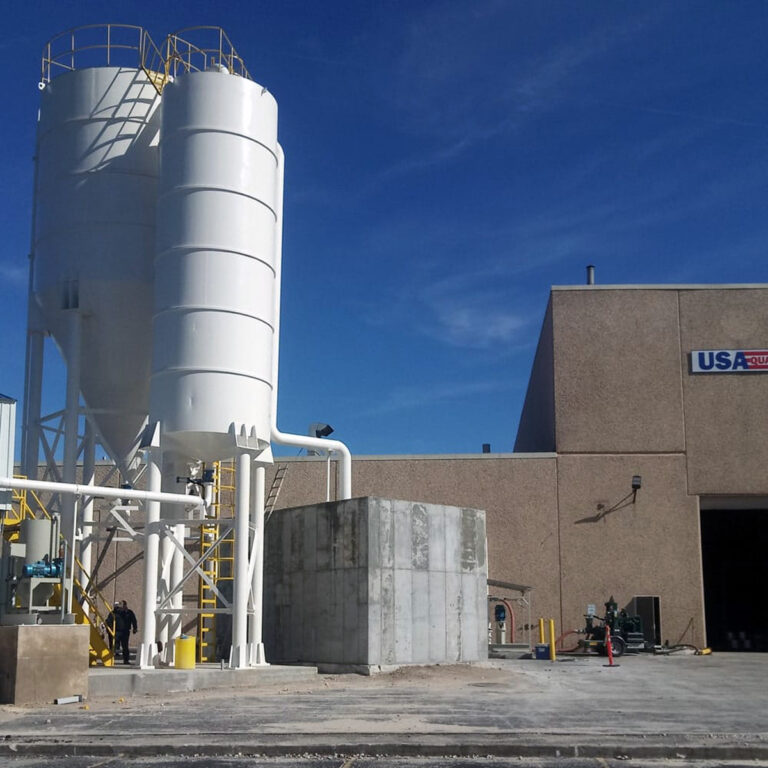
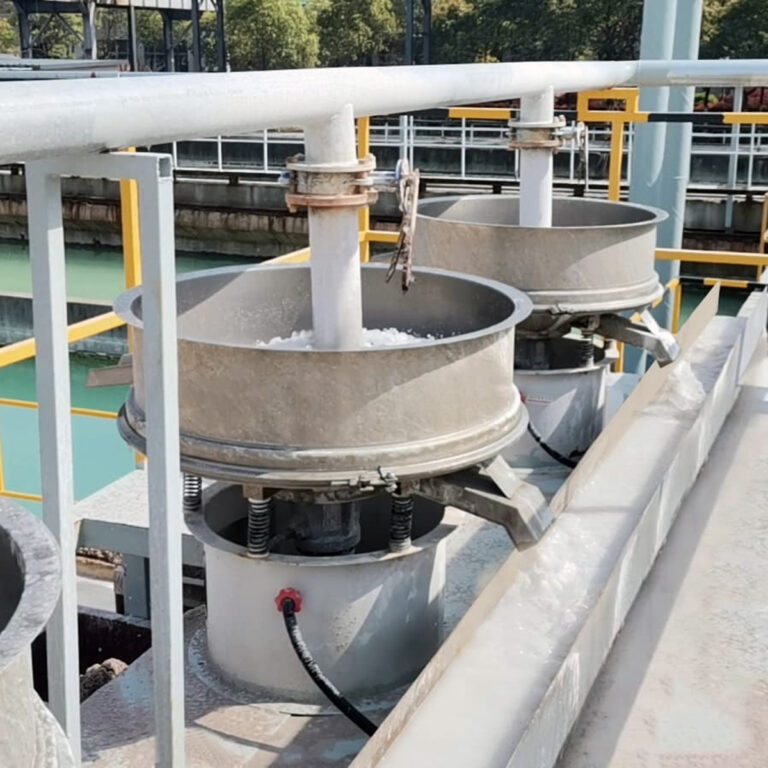
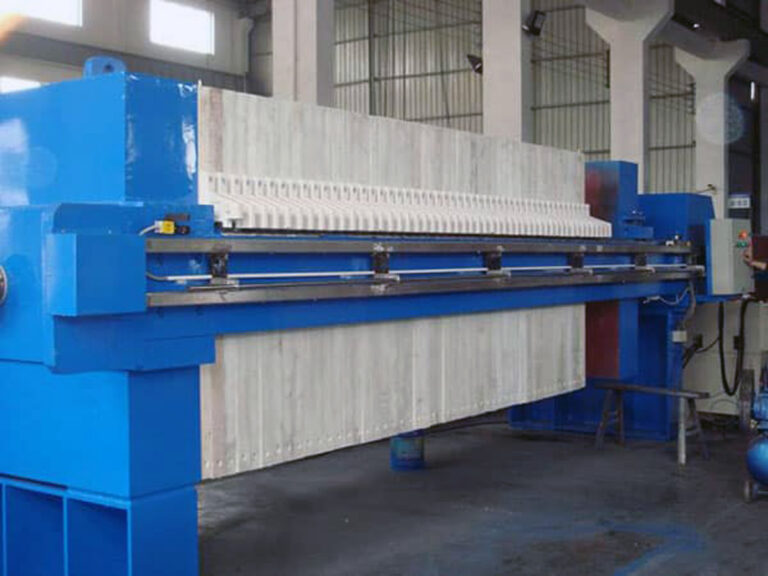
A filtragem industrial não é uma utilidade periférica, mas um determinante essencial da eficiência operacional, da qualidade do produto e da conformidade normativa em indústrias pesadas. Para os profissionais de mineração, cerâmica e processamento de pedras, o desafio está em navegar em um cenário complexo de tecnologias, cada uma prometendo resolver problemas específicos de contaminação. Erros na seleção - escolher um sistema incompatível com o tamanho das partículas ou subestimar os custos operacionais - podem levar a falhas em cascata na produção, na segurança e na lucratividade.
A necessidade de uma filtragem precisa se intensificou. Regulamentações globais mais rígidas sobre poeira de sílica e descarte de águas residuais, juntamente com pressões crescentes para a sustentabilidade e a conservação de recursos, exigem soluções mais sofisticadas. Ao mesmo tempo, a volatilidade da cadeia de suprimentos e a necessidade de dados operacionais estão reformulando as estratégias de aquisição e manutenção. Selecionar e implementar o sistema certo é agora uma decisão estratégica de engenharia com impacto direto nos resultados.
Principais tecnologias de filtragem para mineração, cerâmica e pedra
Definição do espectro tecnológico
A filtragem industrial emprega princípios distintos de separação física e química. A escolha entre filtros de barreira mecânica, ciclones inerciais, precipitadores eletrostáticos ou sistemas de membrana é ditada pelo estado, tamanho e natureza química do contaminante. Um filtro de mangas que captura poeira abrasiva de mineração opera em um princípio fundamentalmente diferente de um sistema de osmose reversa que purifica a água do processo. Essa diversidade ressalta uma realidade fundamental: a seleção da filtragem é um problema de otimização multivariável sem uma melhor resposta universal.
Correspondência entre a tecnologia e o perfil do contaminante
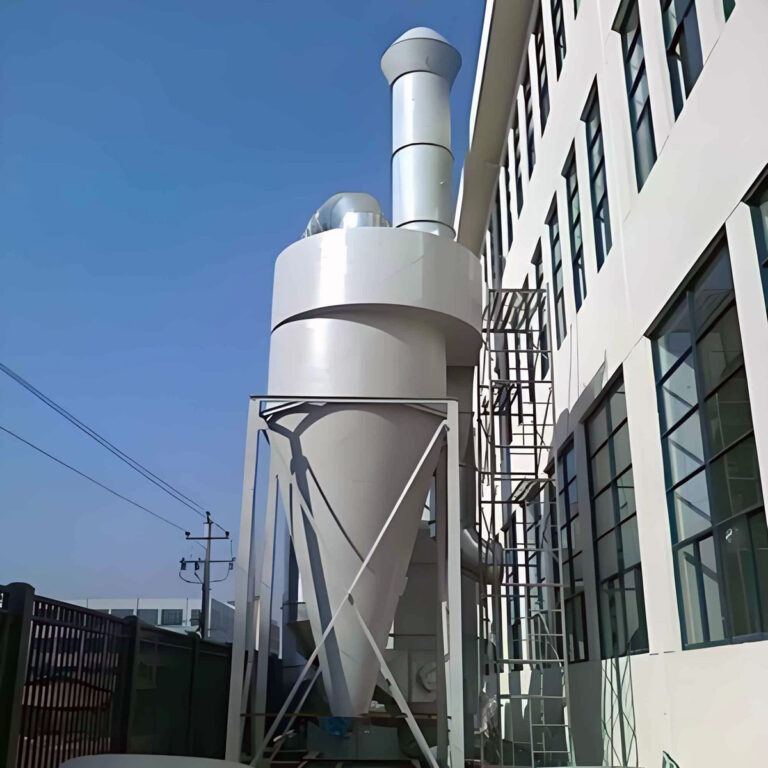
A seleção eficaz começa com a caracterização precisa do contaminante. Um ciclone é excelente para poeira grossa e de alto volume, mas ineficaz para partículas submicrônicas, que exigem filtros de cartucho ou precipitação eletrostática. Para polpas de esmalte cerâmico, os separadores magnéticos ou filtros de mangas removem os aglomerados que causam defeitos na superfície, enquanto os escapamentos do forno podem precisar de filtros de tecido para partículas. A natureza abrasiva da poeira de mineração exige materiais e projetos de carcaça diferentes dos usados em cerâmica, o que impede uma abordagem única para todos os casos. Em minha experiência, o erro mais comum é superdimensionar um sistema para a taxa de fluxo e subestimar a abrasividade da carga de partículas, o que leva à falha prematura da mídia.
Visão geral da tecnologia comparativa
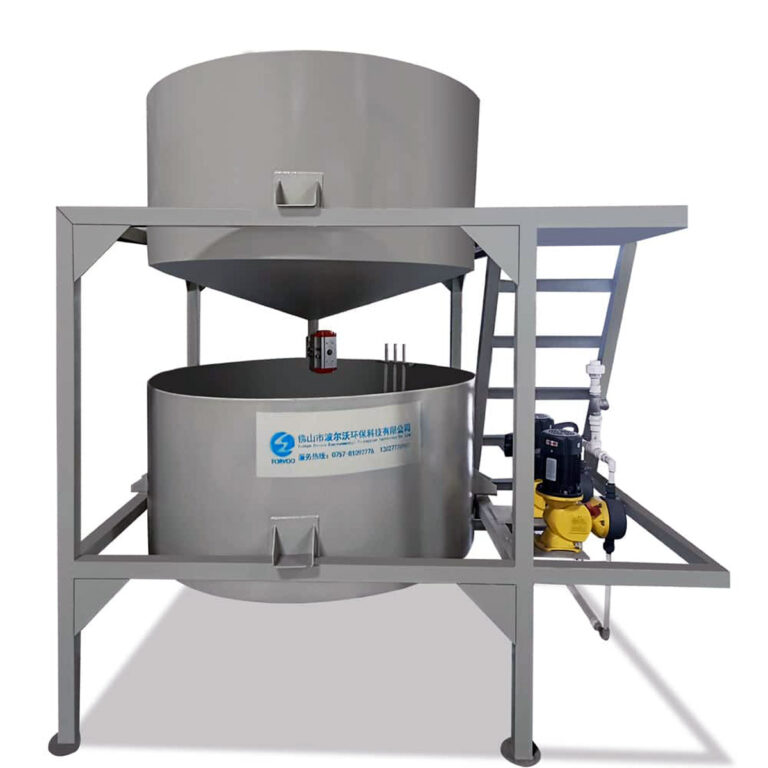
Para navegar nesse cenário, é essencial fazer uma comparação clara das principais tecnologias. A tabela a seguir descreve os principais mecanismos e aplicativos típicos.
| Tecnologia | Mecanismo primário | Alvo típico de contaminantes |
|---|---|---|
| Mecânico (bolsa/cartucho) | Barreira física | Partículas sólidas, pastas |
| Inercial (ciclones) | Força centrífuga | Poeira grossa de alta concentração |
| Precipitação eletrostática | Carga elétrica | Partículas finas, fumaça |
| Sistemas de membrana (RO/UF) | Exclusão de tamanho | Sólidos dissolvidos, íons |
| Leitos de mídia granular | Filtragem de profundidade | Sólidos e orgânicos transportados pela água |
Fonte: Documentação técnica e especificações do setor.
Principais critérios de seleção para sistemas de filtragem industrial
Análise de parâmetros técnicos e operacionais
A seleção é um exercício de engenharia detalhado. Os principais critérios técnicos incluem o perfil do contaminante - distribuição do tamanho das partículas, concentração e abrasividade - e as características do fluido, como vazão, temperatura e pH. Os requisitos de desempenho para eficiência e queda de pressão permitida afetam diretamente o dimensionamento do sistema e o consumo de energia. Fatores operacionais, como área disponível, acesso a serviços públicos e a necessidade de certificações para áreas de risco (ATEX, IECEx) são igualmente decisivos. Os especialistas do setor recomendam envolver as equipes de manutenção no início dessa análise para garantir a praticidade da manutenção.
Avaliação do custo total de propriedade (TCO)
A decisão de aquisição deve ir além do gasto de capital inicial. O coração consumível de qualquer sistema de filtragem é a mídia; seu custo de substituição, frequência e logística de descarte dominam as despesas operacionais de longo prazo. De acordo com análises operacionais, os meios filtrantes verificados de terceiros podem oferecer uma economia de 40-50% em relação às peças OEM sem sacrificar o desempenho, o que torna essencial um modelo detalhado de TCO. O consumo de energia, diretamente ligado à queda de pressão do sistema, representa outro grande custo variável. Detalhes facilmente ignorados incluem a mão de obra para trocas e o custo do tempo de inatividade durante a manutenção.
Uma estrutura para a tomada de decisões
Uma estrutura de avaliação estruturada pondera todos os fatores críticos. A tabela a seguir resume os principais critérios de seleção e seus impactos para orientar essa análise multifuncional.
| Fator de seleção | Exemplos de parâmetros-chave | Impacto no desempenho |
|---|---|---|
| Perfil do contaminante | Tamanho da partícula, abrasividade | Eficiência do filtro, vida útil da mídia |
| Características do fluido | Taxa de fluxo, temperatura, pH | Dimensionamento do sistema, escolha do material |
| Requisitos de desempenho | Eficiência alvo, queda de pressão | Uso de energia, qualidade da produção |
| Fatores operacionais | Pegada, certificações de área de risco | Viabilidade de instalação, segurança |
| Substituição de mídia | Custo de terceiros vs. OEM | Economia potencial de 40-50% |
Fonte: Documentação técnica e especificações do setor.
Filtragem no setor de mineração: Aplicações de poeira, água e óleo
Controle de poeira para segurança e proteção de ativos
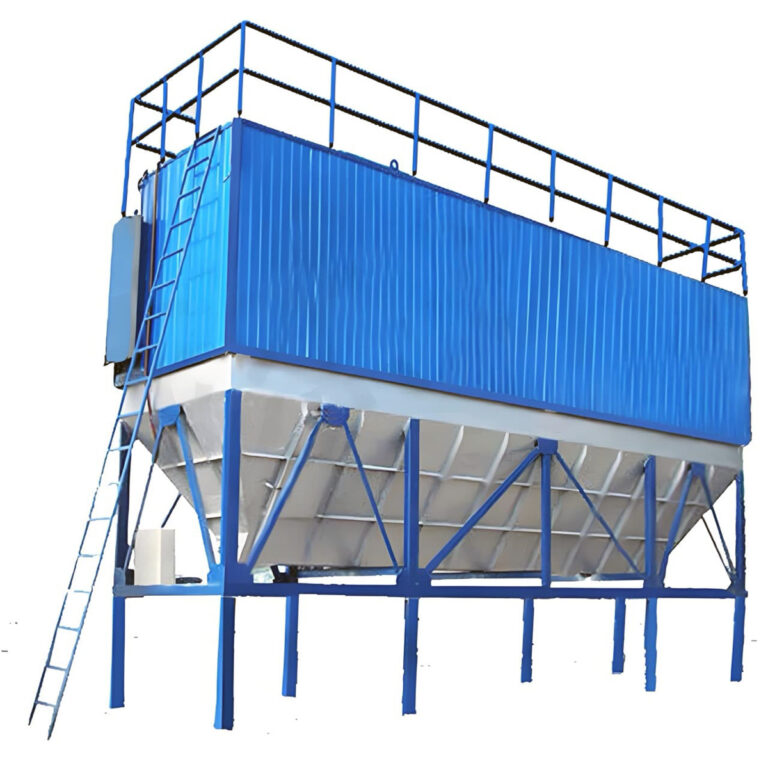
A coleta de poeira em britadores primários, pontos de transferência e transportadores não é negociável. Os coletores de sacos para serviços pesados ou coletores de cartucho de jato de pulso controlam a sílica perigosa e a poeira de minério, muitas vezes exigindo projetos à prova de explosão devido aos riscos de poeira combustível. Essa aplicação demonstra claramente que a filtragem é uma alavanca essencial de produtividade e segurança, não apenas um custo de conformidade. Sistemas eficazes evitam o desgaste do equipamento, reduzem a carga de manutenção e são fundamentais para atender aos limites de exposição, como os da sílica cristalina respirável.
Process Water and Tailings Management
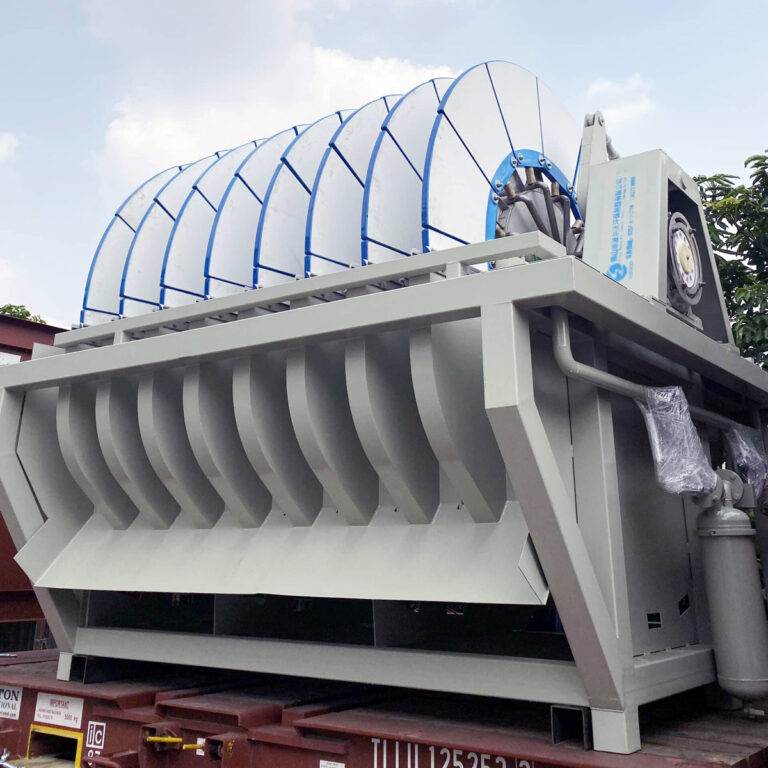
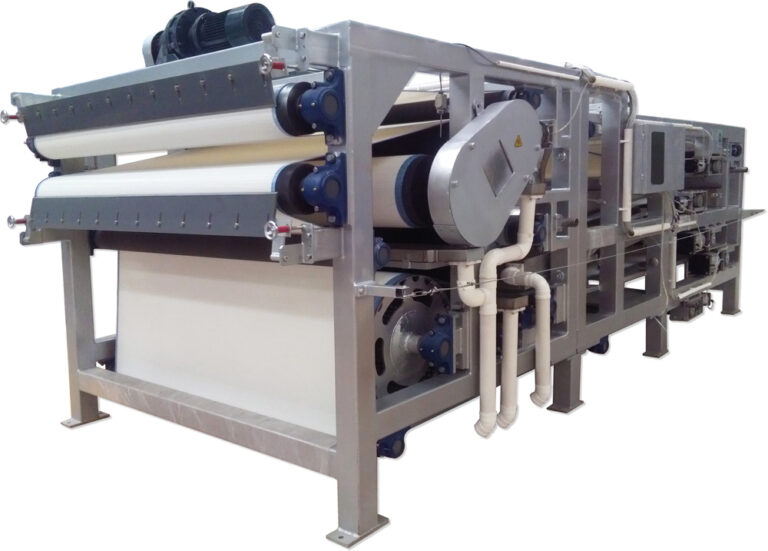
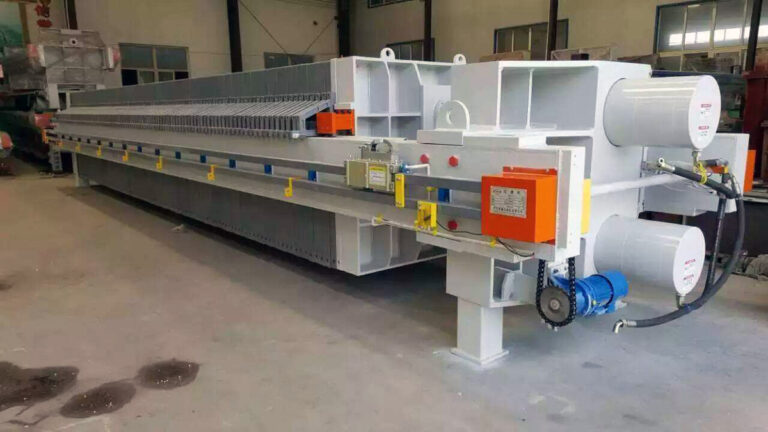
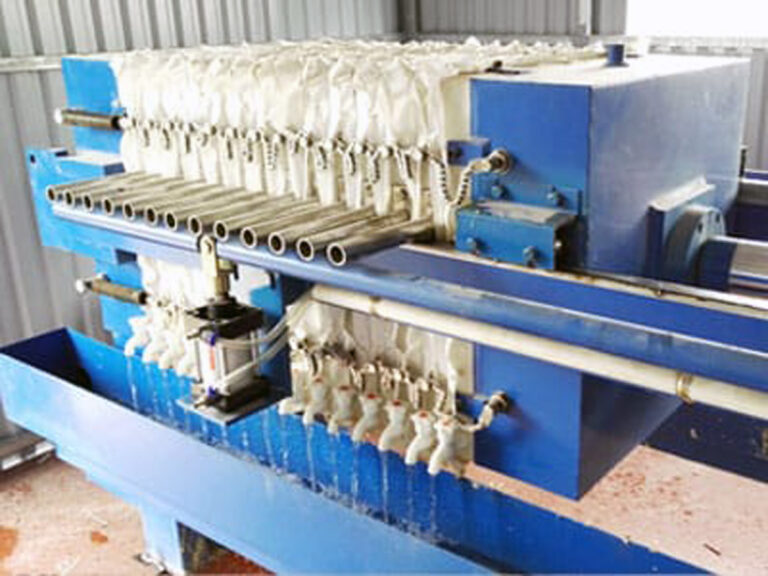
Water filtration and tailings dewatering are critical for environmental stewardship and water scarcity mitigation. Clarifiers, thickeners, and recessed chamber filter presses separate solids from process water for recycling, while producing drier tailings cakes for safer disposal. We compared membrane-based systems with traditional filter presses and found the optimal choice depends entirely on the particle size and the required dryness of the solid waste. Systems enabling closed-loop water reuse deliver both regulatory compliance and significant cost savings.
Critical Fluid Filtration for Machinery
Hydraulic and lube oil filtration in mining equipment is mission-critical. Kidney-loop filtration systems and offline consoles continuously clean oils, removing particulates and water that cause valve spool erosion and bearing failure. This proactive protection extends component life, reduces unplanned downtime, and protects multi-million-dollar capital assets. The strategic value of these systems far exceeds their purchase price.
Ceramics Production: Filtration for Slurries, Glazes, and Kilns
Ensuring Product Quality in Liquid Processing
Precision filtration directly influences finish quality. Liquid filtration of glaze slips and clay slurries via bag filters or magnetic separators removes agglomerates and tramp metal that cause pinholes, blisters, or color inconsistencies on fired products. The need for defect-free finishes demands consistent, high-efficiency removal of contaminants as small as a few microns. This precision underscores why the filtration service ecosystem—offering side-stream testing and custom prototyping—is invaluable for maintaining product quality as raw material batches vary.
Controlling Emissions from Drying and Firing
Spray dryer exhausts carry valuable fine product dust; high-efficiency fabric filters capture this material for potential recovery, improving yield. Kiln exhausts present a dual challenge: particulate matter and, depending on fuels and glazes, volatile organic compounds (VOCs). Thermal or catalytic oxidizers may be integrated downstream of particulate filters for complete emission control. Selecting the right fabric filter media—considering temperature and chemical resistance—is crucial for reliable, continuous operation.
The Role of Specialized Filtration Partners
Given the direct link between filtration and product aesthetics, partnering with a supplier that understands ceramic chemistry is paramount. They can advise on compatible filter media for abrasive slurries and help troubleshoot filtration-related defects. This collaborative relationship transforms the vendor from a parts supplier into a process integrity partner.
Stone Processing: Managing Slurry, Coolant, and Silica Dust
Handling Wet Processing Waste Streams
Stone cutting, grinding, and polishing with water generate dense, abrasive slurry. Settling tanks, decanter centrifuges, or filter presses separate solids from water. The goal is to produce clarified water for reuse and a handleable solid cake. Filter presses, in particular, can achieve high solids content, reducing disposal volume and cost. The choice depends on floor space, desired automation level, and the required dryness of the solid waste.
Controlling Hazardous Dry Dust
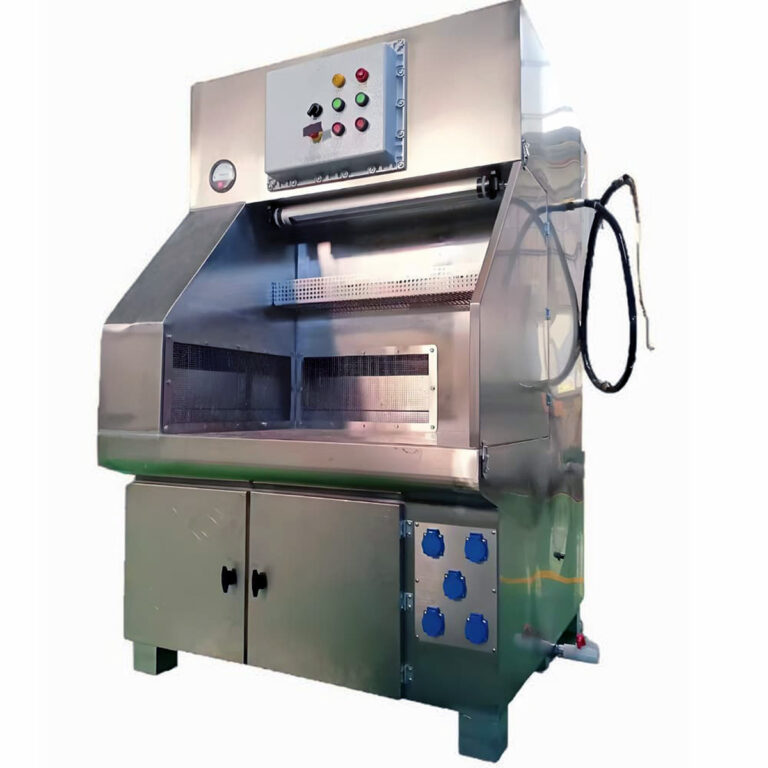
Dry processing operations, such as cutting or profiling, generate crystalline silica dust, a known health hazard. Abrasion-resistant dust collectors with high-efficiency cartridge filters are essential. These systems must be designed for easy maintenance, as the highly abrasive dust rapidly wears components. Regulatory and sustainability pressures are expanding the market scope here; compliance with stringent silica exposure limits like OSHA’s PEL is now a baseline requirement, making advanced dust collection a operational must-have.
Coolant and Process Water Filtration
In stone machining, coolant filtration maintains tool life and surface finish accuracy. Centralized systems with magnetic separators and bag filters remove fine stone particles from the coolant, preventing recirculation that damages tools and pumps. Maintaining clean coolant also extends fluid life and reduces biological growth. A well-designed system turns a waste stream into a recyclable resource, aligning with broader sustainability goals.
Implementation, Integration, and Maintenance Best Practices
Sizing and Pre-Integration Planning
Successful deployment requires meticulous planning. System sizing must account for peak, not average, contaminant loads to prevent overload during upsets. Integrating pre-filtration stages, like a cyclone before a baghouse, extends the life and efficiency of the primary filter. Physical integration with plant layout—ensuring adequate access for maintenance and proper ducting—is as important as the equipment specification. Customization and local manufacturing capabilities are key responses to supply chain volatility, allowing for tailored solutions and faster turnaround for unique requirements.
Integração de automação e controle
Modern systems are not standalone. Integration with plant PLCs or SCADA systems for monitoring pressure differential, automating pulse-cleaning cycles, and providing alarm conditions is standard. This connectivity enables predictive maintenance; a rising baseline pressure drop indicates media blinding, while a sudden drop suggests a breach. Data integration from these systems is the next competitive frontier, providing operational intelligence beyond basic filtration.
Establishing a Proactive Maintenance Regime
Reliability hinges on maintenance. A scheduled program based on pressure differential and time, rather than reactive response, prevents unexpected failures. Procedures should include proper media handling to avoid installation damage, safe isolation of equipment, and correct disposal of spent media, especially if contaminated with hazardous materials. Documenting maintenance activities creates a history for optimizing change-out intervals and budgeting.
Evaluating Total Cost of Ownership and Operational Efficiency
Deconstructing the TCO Model
A comprehensive TCO analysis moves beyond purchase price. It must include energy consumption (a function of fan/pump power and pressure drop), media replacement costs, labor for maintenance, waste disposal fees, and the cost of potential production downtime. Energy-efficient designs with optimized airflow paths can reduce operational expenses by 20-30% over the system’s life. The initial capital outlay is often a fraction of the decade-long operational spend.
Strategic Procurement Considerations
Consolidation and “one-stop-shop” strategies are emerging in procurement. The decision balances the simplified logistics and potential bundled savings of a broad-line supplier against the superior, application-engineered performance of a specialist for mission-critical functions. For example, a standard dust collector might suffice for general ventilation, but a kiln exhaust or slurry dewatering application likely warrants a specialist’s expertise. The goal is to align the procurement strategy with the application’s criticality to your core process.
Making the Economic Case
The following table breaks down the key components of Total Cost of Ownership, highlighting where strategic focus yields the greatest return.
| Componente de custo | Descrição | Considerações estratégicas |
|---|---|---|
| Capital inicial | Equipment purchase price | Often < long-term media cost |
| Substituição de mídia | Consumable filter elements | Dominates operational expense |
| Consumo de energia | System pressure drop | Major variable operating cost |
| Trabalho de manutenção | Change-out, cleaning frequency | Impacts uptime, planning |
| Procurement Strategy | Specialist vs. one-stop-shop | Mission-critical application alignment |
Fonte: Documentação técnica e especificações do setor.
2025 Trends: Smart Monitoring and Sustainable Filtration
The Rise of Intelligent Filtration Systems
The integration of IoT sensors and data analytics is transforming filtration from a passive process into a source of operational intelligence. Smart monitors track pressure differential, flow, and even particulate load in real-time, enabling predictive maintenance alerts and eliminating guesswork from media change schedules. This data logging also simplifies compliance reporting for standards like ISO 16890:2016 for air filter classification. Data integration is the next competitive frontier, allowing filtration performance to be correlated with overall equipment effectiveness (OEE).
Sustainability as a Design Driver
Environmental imperatives are reshaping system design. Demand grows for energy-efficient blowers and pumps, advanced technologies for water conservation, and systems that minimize waste. This includes filter presses that produce drier cakes, reducing disposal weight and cost, and the development of longer-life, cleanable media to reduce solid waste. The trend is toward near-closed-loop systems for water and process fluids, turning filtration into a pillar of corporate environmental stewardship.
Preparando seu investimento para o futuro
Investing in digitally ready and sustainable systems future-proofs operations. Specify connectivity ports and communication protocols (e.g., Modbus TCP, OPC UA) even if not immediately used. Choose equipment designs that allow for easy retrofitting of sensors or more efficient motors. Prioritize suppliers with clear roadmaps for energy recovery and waste reduction. This forward-looking approach ensures your filtration assets remain aligned with evolving regulatory, economic, and environmental goals.
The path to optimal filtration hinges on three priorities: a rigorous, cross-functional selection process grounded in TCO; viewing integration and data as critical to reliability, not as add-ons; and aligning system capabilities with the escalating demands of sustainability and smart manufacturing. Treating filtration as a strategic engineering function, rather than a commodity purchase, unlocks gains in productivity, compliance, and cost control.
Need professional guidance to specify or optimize filtration for your mining, ceramics, or stone processing operation? The engineering team at PORVOO specializes in application-specific solutions that balance performance with total operational cost. Contact us to discuss your specific contaminant challenge and process requirements. You can also reach our technical specialists directly at Entre em contato conosco.
Perguntas frequentes
Q: How do you select the right filtration technology for abrasive mining dust versus fine ceramic glaze?
A: The optimal technology depends on a multi-variable analysis of the contaminant’s state, size, and abrasiveness. Abrasive mining dust demands heavy-duty, explosion-proof baghouses with durable housing materials, while fine ceramic glaze slurries require precision bag filters or magnetic separators to prevent surface defects. This means facilities must form a cross-functional team to model trade-offs, as a universal solution does not exist and application specialization dictates the design.
Q: What drives the total cost of ownership for an industrial filtration system?
A: Long-term operational costs, dominated by filter media replacement, change-out frequency, and disposal logistics, far outweigh the initial capital expense. A comprehensive TCO analysis must also include energy consumption from system pressure drop, maintenance labor, and potential downtime. For projects where budget is constrained, plan for a detailed TCO evaluation and explore the verified third-party media market, which can offer significant savings without compromising on performance.
Q: Why is filtration considered a strategic productivity lever in mining, not just for compliance?
A: Filtration systems directly prevent catastrophic equipment failure and extend the life of expensive heavy machinery by protecting hydraulic and lube oil systems. They also ensure worker safety by controlling hazardous silica dust at crushers and conveyors. This means the investment should be framed as essential for operational efficiency and asset protection, turning a compliance cost into a core component of reliable production.
Q: How do tightening regulations on silica and water use impact filtration in stone processing?
A: Stricter exposure limits for crystalline silica make high-efficiency, abrasion-resistant dust collectors a compliance necessity for dry cutting operations. Simultaneously, regulations on water discharge drive the adoption of closed-loop systems using filter presses or decanter centrifuges to recycle process water. If your operation faces these pressures, expect to evaluate advanced dewatering and dust control technologies that deliver both regulatory adherence and cost savings through resource recovery.
Q: What role does smart monitoring play in the future of industrial filtration?
A: IoT-enabled sensors provide real-time data on filter condition and system performance, enabling predictive maintenance and automated cleaning cycles. This data integration supports compliance logging and turns filtration into a source of operational intelligence. For operations prioritizing uptime and data-driven decision-making, investing in digitally ready systems is the next competitive frontier, moving from reactive maintenance to proactive asset management.
Q: When evaluating vendors, should you choose a broad-line supplier or a specialist?
A: This strategic choice balances simplified logistics and potential bundled savings from a one-stop-shop against the superior, application-engineered performance of a specialist. Mission-critical applications, like protecting a kiln or a high-value machining center, typically justify the specialist’s expertise. Align your procurement strategy with the application’s criticality to your core process, and for unique needs, prioritize suppliers with local customization capabilities to mitigate supply chain risk.
Q: What standards are used to classify air filters for general ventilation in industrial settings?
A: The performance of air filters for general ventilation is classified according to ISO 16890:2016, which rates efficiency based on the removal of particulate matter (PM1, PM2.5, and PM10). This provides a more realistic metric for indoor air quality than older standards. This means facilities specifying filtration for worker safety or HVAC must use this standard to ensure selected systems meet the required particulate removal targets for their specific environment.