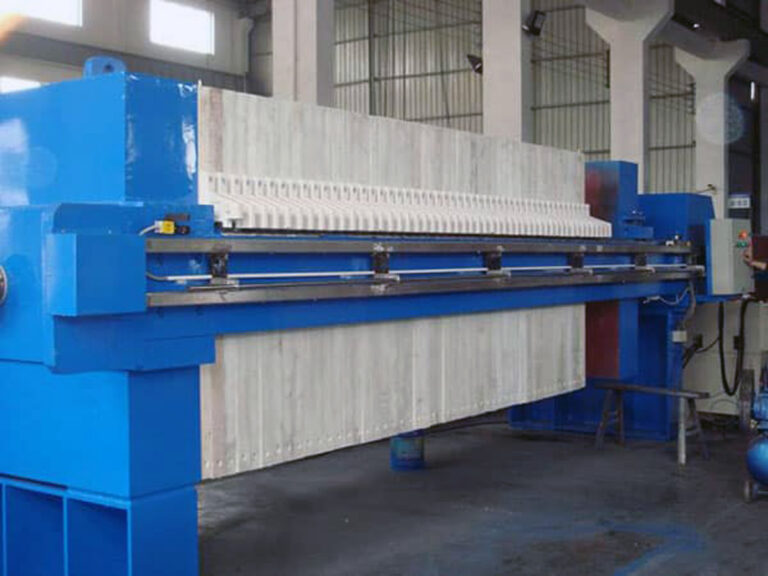
For process engineers and plant managers, the primary challenge in recessed plate filter press operation isn’t applying pressure—it’s applying the right pressure at the right time. A common misconception is that maximum hydraulic force always yields the driest cake or fastest cycle. In reality, unoptimized pressure control leads to inconsistent cake formation, premature cloth wear, and unpredictable throughput, directly impacting operational expenditure and disposal costs.
Attention to hydraulic strategy is critical now due to tightening environmental regulations and rising energy costs. Optimizing this core variable transforms filtration from a simple mechanical step into a strategic lever for reducing total cost of ownership, improving sustainability compliance, and maximizing asset utilization. The shift from manual, artisanal control to precise, automated pressure profiling represents a key operational upgrade.
The Core Role of Hydraulic Pressure in Filter Press Operation
The Dual-Function Mechanism
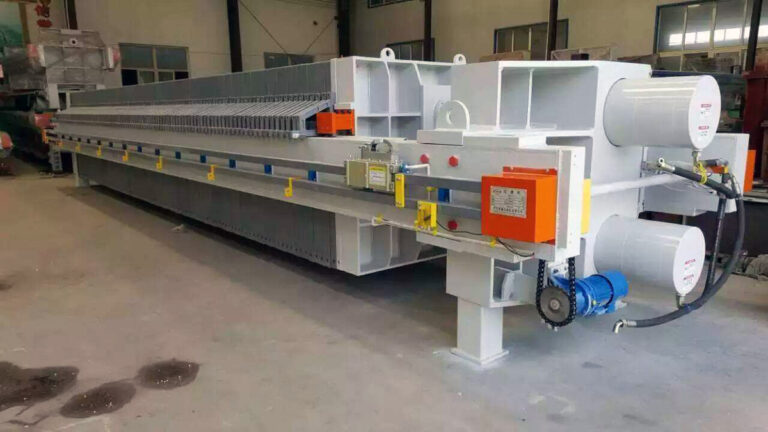
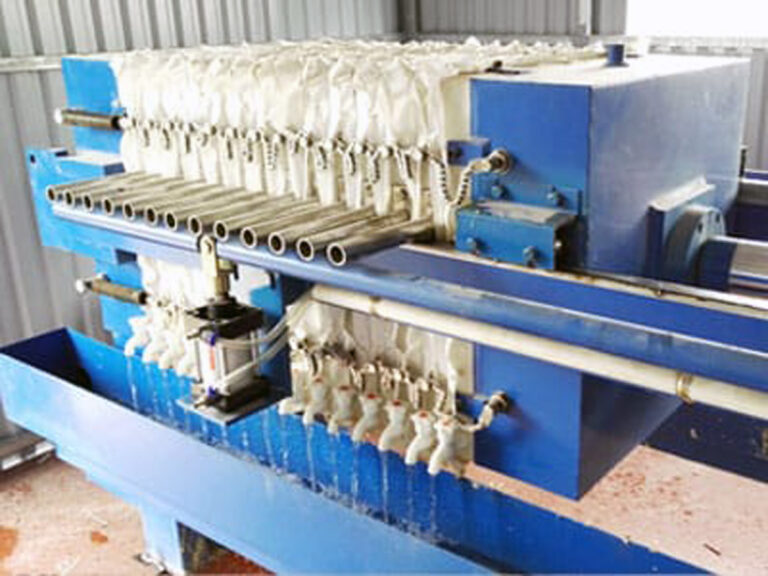
Hydraulic pressure serves two non-negotiable functions. First, it provides the clamping force to seal the plate pack, creating the chambers that contain the filtration process. Second, it actively drives dewatering by maintaining closure against internal feed pressure. Failure in either function results in leaks, plate misalignment, and process failure. The system must be calibrated for both static clamping and dynamic compensation during filtration.
From Static Setting to Dynamic Variable
Effective operation requires treating hydraulic pressure as a dynamic process variable, not a fixed setting. The system must respond to the increasing internal pressure of the slurry feed to maintain chamber integrity. According to industry experts, a common mistake is setting a single high pressure and neglecting the need for a controlled profile. We compared operations with static versus profiled pressure and found the latter significantly reduced stress on plates and frames while improving cake consistency.
Ensuring Uniform Chamber Integrity
Uniform pressure distribution across the entire plate pack is foundational. An imbalance, often from worn cylinders or contaminated hydraulic fluid, creates uneven cake formation. Thicker cakes form in low-pressure zones while high-pressure zones may blind the cloth. This inconsistency directly compromises the efficiency metrics outlined in standards like JB/T 4333.2-2022 Plate and frame filter press – Part 2: Technical specifications, which govern reliable performance. In my experience, implementing automated pressure monitoring was the single most effective change to eliminate this variability.
Optimizing Cake Dryness Through Pressure Control and Profiles
The Strategic Pressure Ramp
Achieving target dryness is a function of controlled pressure application over time. A gentle initial pressure ensures even slurry distribution and builds a permeable cake matrix without forcing fine particles into the cloth weave. A subsequent controlled ramp to higher pressure then compresses this structure, expelling interstitial water. Skipping this ramp risks premature cloth blinding and a less permeable cake, limiting final dryness.
The Membrane Squeeze Advantage
The most significant leap in dryness comes from integrating membrane squeeze technology. After initial cake formation, hydraulic or pneumatic pressure inflates diaphragms in membrane plates, applying direct isostatic pressure. This action can reduce moisture by up to 75-80% compared to standard filtration. The decision to specify membrane plates is a calculated capital expenditure trade-off against substantial downstream savings in disposal costs and drying energy.
The following table outlines the key stages and outcomes of an optimized pressure profile:
Stages of an Optimized Dewatering Cycle
| Process Stage | Key Pressure Parameter | Typical Outcome |
|---|---|---|
| Initial Feed | Consistent feed pressure | Even slurry distribution |
| Cake Formation | Controlled low-pressure ramp | Stable cake structure |
| Final Compression | High-pressure squeeze | Interstitial water expulsion |
| Aperto de membrana | Isostatic diaphragm pressure | 75-80% moisture reduction |
Fonte: JB/T 4333.5-2022 Plate and frame filter press – Part 5: Test methods. This standard provides the test methods for verifying key performance parameters like final cake moisture content, which is the direct outcome of applying the pressure profiles and membrane squeeze technology outlined in this table.
How Hydraulic Pressure Impacts Cycle Time and Throughput
Minimizing Filtration and Discharge Delays
Cycle time is governed by two pressure-dependent phases: filtration and plate pack cycling. An optimized pressure ramp during filtration maximizes the rate of cake formation without causing blinding. Subsequently, a powerful, responsive hydraulic system minimizes the time required to open the pack for cake discharge and re-close for the next cycle. A sluggish system here becomes the primary bottleneck in automated, high-throughput operations.
The Case for Automated Control
Manual pressure control introduces variability, leading to inconsistent cycle times and unpredictable daily throughput. Automated systems with programmable logic controllers execute precise pressure sequences, ensuring repeatable conditions. This investment reduces human error, enhances product consistency, and maximizes equipment utilization. It transforms the press from a variable-cost operation into a predictable, scheduled asset.
The impact of pressure control on operational efficiency is clear in the following comparison:
Pressure Control Impact on Cycle Efficiency
| Fator operacional | Impact of Pressure Control | Result on Cycle Time |
|---|---|---|
| Filtration Rate | Optimized pressure ramp profile | Minimized formation delays |
| Plate Pack Opening/Closing | Powerful, responsive hydraulic system | Reduced discharge bottleneck |
| Process Consistency | Automated PLC pressure sequences | Repeatable, predictable batch times |
| Human Error | Elimination of manual control | Maximized equipment utilization |
Fonte: JB/T 4333.2-2022 Plate and frame filter press – Part 2: Technical specifications. This standard specifies technical requirements for filter press performance, including criteria for operational reliability and cycle consistency, which are directly influenced by the automated hydraulic pressure control strategies described.
Balancing Pressure for Cake Release and Filter Cloth Life
The Adhesion Trade-Off
Higher final pressures yield drier cakes but can make them adhere stubbornly to plates or cloth. This creates operational delays for manual cleaning and increases the risk of cloth damage during discharge. Easily overlooked details include the role of feed consistency and final pressure dwell time; an uneven feed or prolonged high pressure at cycle end are primary culprits for sticky cakes.
Cloth as a Pressure-Management Component
The filter cloth is not a passive component but an integral part of the pressure system. Its weave and material determine the pressure gradient and cake release characteristics. An improper pressure profile accelerates cloth blinding, which increases flow resistance. This forces higher pump pressures, creating a cycle of accelerated wear and energy consumption. Selecting the right cloth is a core pressure strategy.
Integrating Membrane Squeeze Technology for Maximum Efficiency
Mechanism and Economic Shift
Membrane technology applies uniform, high-pressure squeeze directly to the pre-formed cake, expelling bound moisture. This transforms the process from simple filtration to active mechanical dewatering. The economic shift is fundamental: higher upfront capital for membrane plates is traded against drastic reductions in downstream disposal costs and potential drying requirements.
Strategic Application Selection
This technology is not universally required but is strategically decisive for specific applications. For waste streams with high disposal costs or where downstream processing demands low moisture, membrane squeeze turns a cost center into a compliance and efficiency advantage. It enables operations to meet stricter sustainability regulations by achieving superior solids content.
The economic and operational contrast between standard and membrane-equipped presses is significant:
Standard vs. Membrane Squeeze Comparison
| Considerações | Standard Filtration | With Membrane Squeeze |
|---|---|---|
| Primary Mechanism | Feed pressure only | Feed + isostatic squeeze |
| Final Cake Moisture | Mais alto | Up to 75-80% reduction |
| Despesas de capital | Inferior | Custo inicial mais alto |
| Operational Cost (Disposal) | Mais alto | Substantial downstream savings |
| Process Economics | Simple filtration | Active mechanical dewatering |
Fonte: Documentação técnica e especificações do setor.
Key Hydraulic System Components and Maintenance Requirements
Critical Components and Failure Modes
Reliable pressure control depends on four key subsystems: the power unit, hydraulic cylinder, control valving, and the fluid itself. Common failure modes include fluid contamination damaging pumps, seal wear causing clamping force loss, and valve leaks leading to pressure drops. Each failure directly manifests as the operational problems of leaks, uneven cakes, or extended cycle times.
Proactive Maintenance as a Strategy
A reactive approach guarantees downtime. A proactive regimen—regular fluid analysis, seal inspection, and leak monitoring—is a strategic safeguard. It ensures the repeatability of optimized pressure profiles and protects the capital investment. This discipline is the foundation for shifting to a reliable, data-driven process, as implied by the maintenance requirements supporting the safety and integrity standards like JB/T 4333.4-2022 Plate and frame filter press – Part 4: Safety requirements.
A systematic maintenance approach focuses on the following components:
Hydraulic System Maintenance Checklist
| Componente | Critical Failure Mode | Maintenance Action |
|---|---|---|
| Hydraulic Fluid | Contamination damage | Regular contamination checks |
| Cylinders & Seals | Clamping force loss | Inspection for wear |
| Control Valving | Queda de pressão | Leak monitoring |
| Power Unit | Unreliable pressure | Proactive regimen |
Fonte: JB/T 4333.4-2022 Plate and frame filter press – Part 4: Safety requirements. This safety standard implies requirements for maintaining system integrity, including components like cylinders and seals, to prevent operational failures that can result from the neglect of the maintenance actions listed.
Implementing a Pressure Control Strategy for Your Application
Start with Slurry Characterization
A generic strategy fails. Effective implementation begins with a deep analysis of slurry characteristics: particle size distribution, solids concentration, and rheology. These parameters dictate the optimal pressure ramp rates and peak pressures. For instance, a flocculent sludge requires a different profile than a granular mineral slurry.
Integrate and Automate
The strategy must leverage automation to lock in the optimal profile determined through testing, eliminating human variability. Furthermore, view the press not in isolation but as part of an integrated dewatering chain. Pressure control should be coordinated with upstream thickeners and downstream dryers. The goal is to optimize for total system energy efficiency and cost, not just standalone press performance.
Selecting the Right Pressure Profile for Different Sludge Types
Profile Dictated by Material
The optimal pressure profile is fundamentally material-specific. Light, flocculent sludges require a gentle initial pressure to build structure without extrusion. Dense, granular slurries can tolerate a more aggressive ramp. Fine particle slurries need careful control to avoid rapid cloth blinding. This necessity for customization underscores why off-the-shelf advice is insufficient.
The Path to Data-Driven Optimization
The future of this selection process is shifting from experienced-based art to data-driven algorithm. Companies that systematically collect and analyze performance data for their specific sludge types can develop dynamic, proprietary pressure profiles. This approach turns filtration into a measurable competitive advantage.
Empirical testing, as standardized in JB/T 4333.5-2022 Plate and frame filter press – Part 5: Test methods, is essential for this profiling:
Pressure Profile Guidelines by Sludge Type
| Tipo de lodo | Initial Pressure Profile | Principais considerações |
|---|---|---|
| Light, Flocculent | Gentle, low pressure | Prevent cake extrusion |
| Dense, Granular | More aggressive ramp | Tolerates higher pressure |
| Polpas de partículas finas | Controlled ramp | Avoid cloth blinding |
| General Application | Specific to slurry rheology | No universal optimal profile |
Fonte: JB/T 4333.5-2022 Plate and frame filter press – Part 5: Test methods. The standard’s test methods for parameters like filtration efficiency and cake formation are essential for empirically determining the optimal pressure profile for specific sludge characteristics, as generalized settings are ineffective.
Effective pressure control strategy hinges on three priorities: first, move from static pressure settings to dynamic, automated profiles tailored to your specific slurry. Second, evaluate membrane squeeze technology not as an optional extra but through a total cost-of-ownership lens, where capital expenditure is weighed against disposal and energy savings. Third, institute proactive hydraulic maintenance as a non-negotiable practice to ensure profile repeatability and protect your asset.
Need professional guidance to implement a precision pressure control strategy for your recessed plate filter press operation? The engineers at PORVOO combine application expertise with advanced system design to translate these principles into measurable gains in dryness, throughput, and cloth life. Contact our technical team to analyze your specific sludge characteristics and cycle goals. You can also reach us directly at Entre em contato conosco para uma consulta preliminar.
Perguntas frequentes
Q: How does hydraulic pressure control directly impact the final dryness of filter cake?
A: Final cake dryness is optimized by applying a controlled pressure ramp, not a single high force. Starting with lower pressure builds a stable cake structure without blinding the cloth, then increasing pressure compresses the cake to expel trapped water. Integrating membrane squeeze plates can further reduce moisture by 75-80% through direct isostatic compression. This means operations with high waste disposal costs should evaluate membrane technology as a strategic investment to lower total processing expense.
Q: What are the key maintenance requirements for a filter press hydraulic system to ensure consistent pressure?
A: Consistent performance requires regular checks for hydraulic fluid contamination, monitoring for leaks that cause pressure drops, and inspecting seals and cylinders for wear that leads to clamping force loss. Proactive maintenance prevents the plate misalignment and uneven cake formation caused by system degradation. For reliable, repeatable operation, you must implement a scheduled regimen as defined in equipment standards like JB/T 4333.5-2022, which governs testing of these critical parameters.
Q: When selecting a pressure profile, how do different sludge types affect the strategy?
A: The optimal pressure profile is dictated by slurry characteristics like particle size and rheology. Flocculent sludges need a gentle initial pressure to form a permeable matrix, while dense, granular slurries can tolerate a more aggressive ramp. The filter cloth weave must also be selected in tandem with this pressure strategy. This application-specific necessity means you should partner with vendors who have proven expertise in your industry’s specific waste stream, as generic settings lead to suboptimal efficiency.
Q: How does automating hydraulic pressure control improve overall plant throughput?
A: Automation with programmable logic controllers ensures precise, repeatable pressure ramping and holding sequences, eliminating the variability of manual operation. This optimizes the filtration rate and minimizes the time required to open and close the plate pack, which is a critical bottleneck. If your operation requires high annual throughput and predictable scheduling, investing in automated pressure control is essential to reduce human error and maximize equipment utilization.
Q: What safety standards apply to the operation of a hydraulic filter press during high-pressure cycles?
A: Safe operation during filtration and cake handling is governed by industry-specific safety requirements. For plate and frame filter presses, these include defined safety measures, protective devices, and risk reduction protocols to protect personnel during high-pressure clamping and processing cycles. Compliance with standards such as JB/T 4333.4-2022 is a fundamental operational requirement, not an optional best practice, for any facility.
Q: Why is balancing high pressure for dryness with cake release and cloth life a critical operational challenge?
A: Excessively high or uneven pressure can cause cakes to adhere stubbornly to plates, creating discharge delays, and accelerates cloth blinding and wear. The filter cloth acts as the active media, and improper pressure profiles increase its resistance, forcing higher pump pressures that create a cycle of accelerated degradation. This means your pressure optimization strategy must include cloth selection and monitoring as a core cost-control measure to balance cake quality with long-term operational expenditure.
Q: How should a pressure control strategy be integrated with other plant processes?
A: An effective strategy views the filter press as part of an integrated dewatering chain, not an isolated unit. Pressure control should be coordinated with upstream pre-thickening and downstream drying processes to optimize for total system energy efficiency and throughput. For projects where overall plant efficiency is the primary constraint, you must develop a holistic control strategy that aligns hydraulic parameters with broader production objectives.