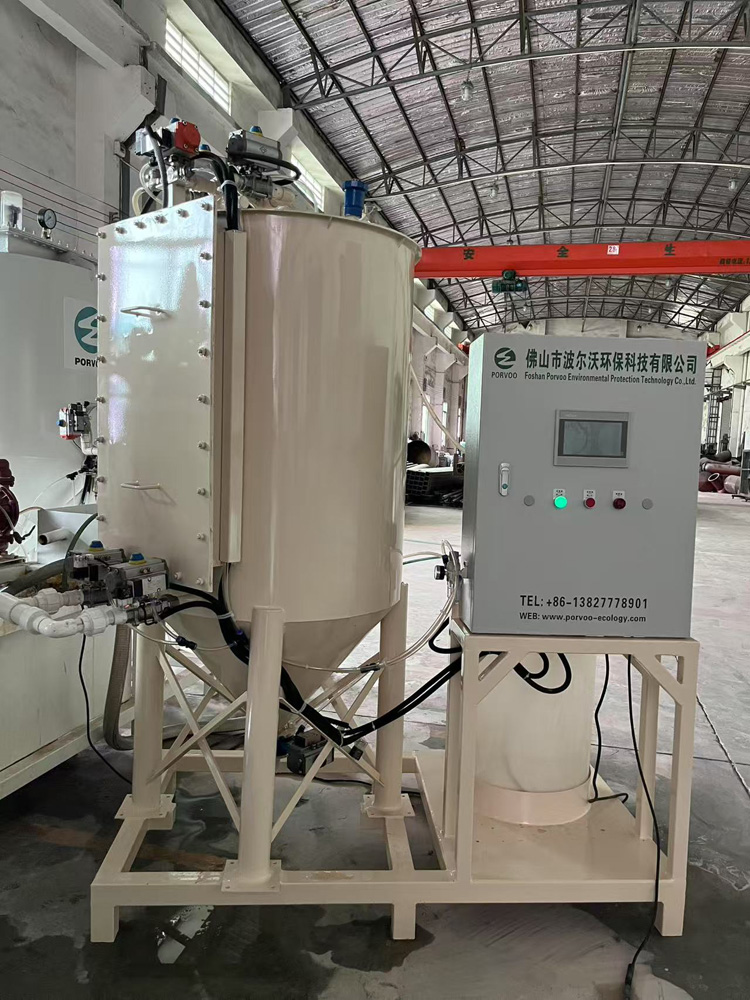
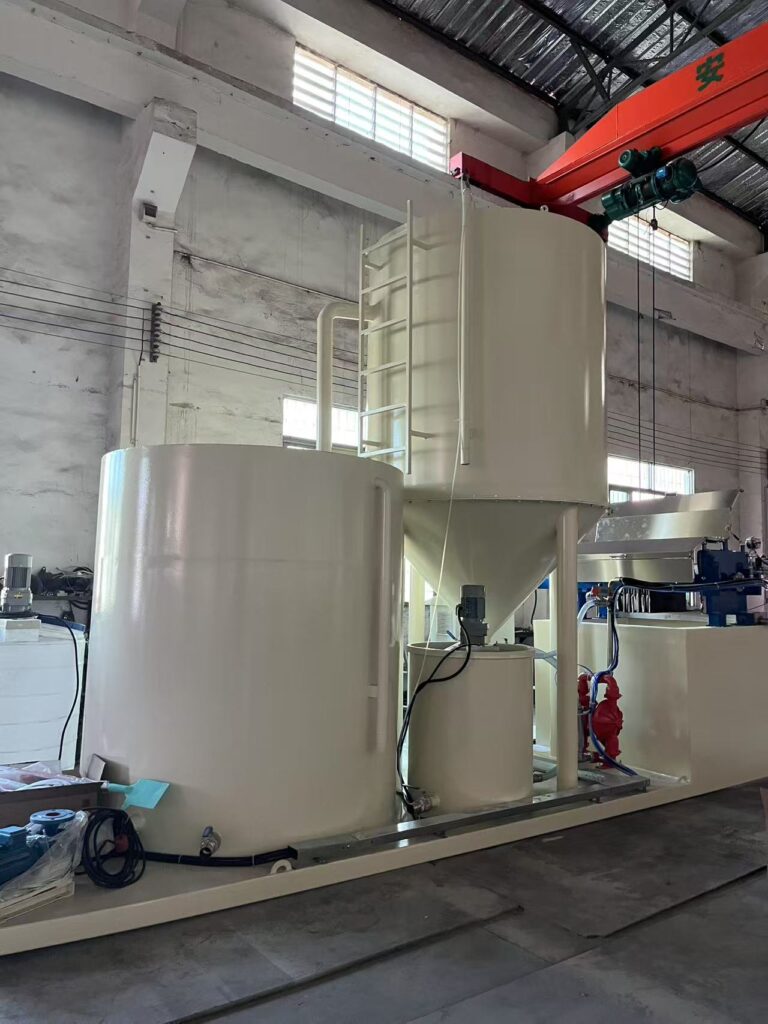
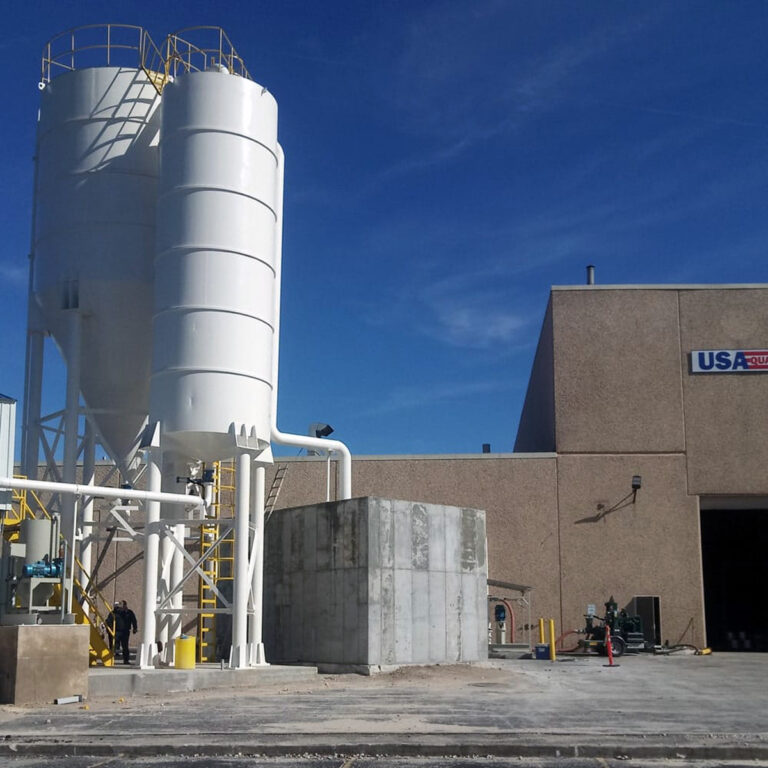
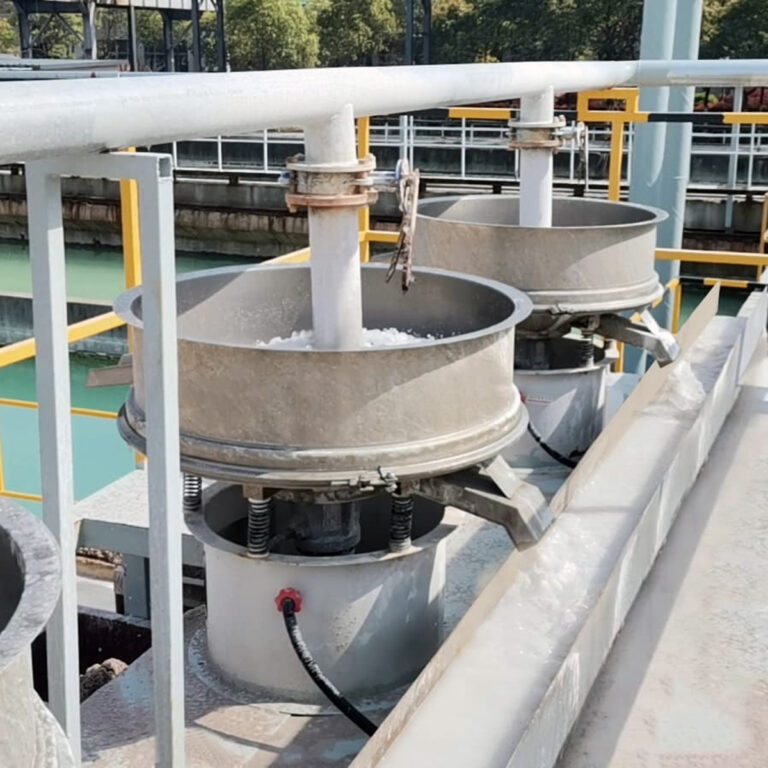
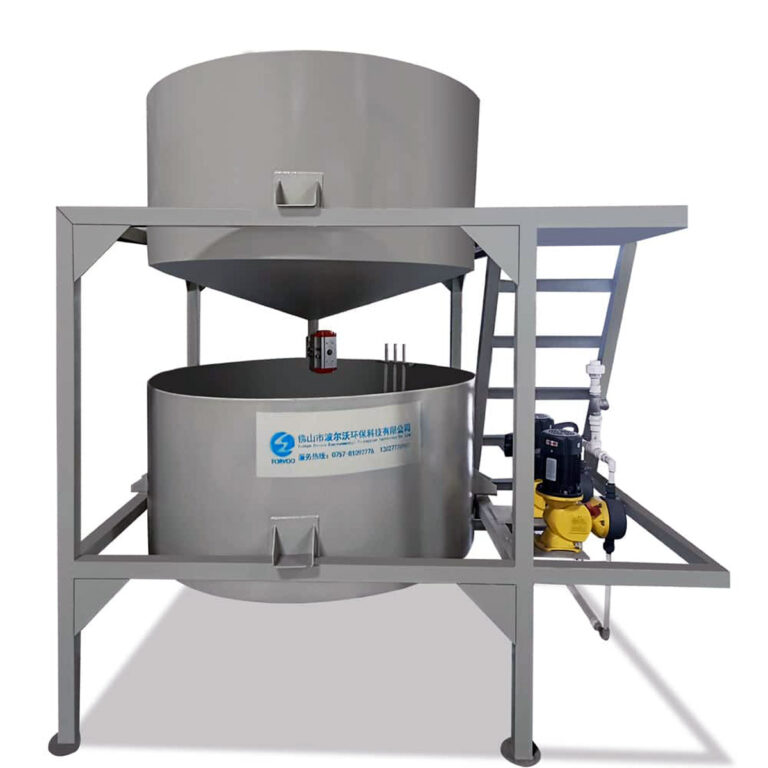
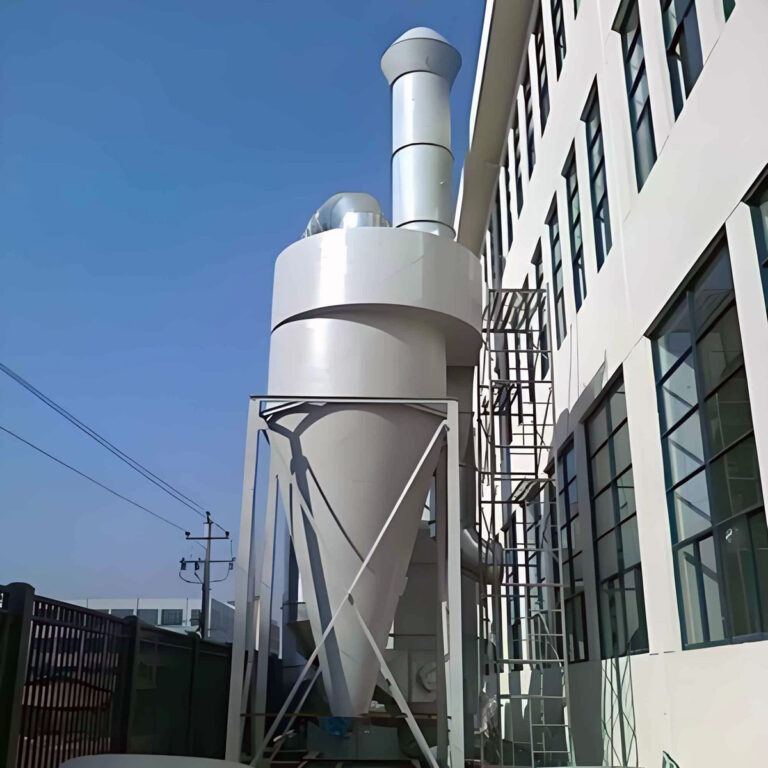
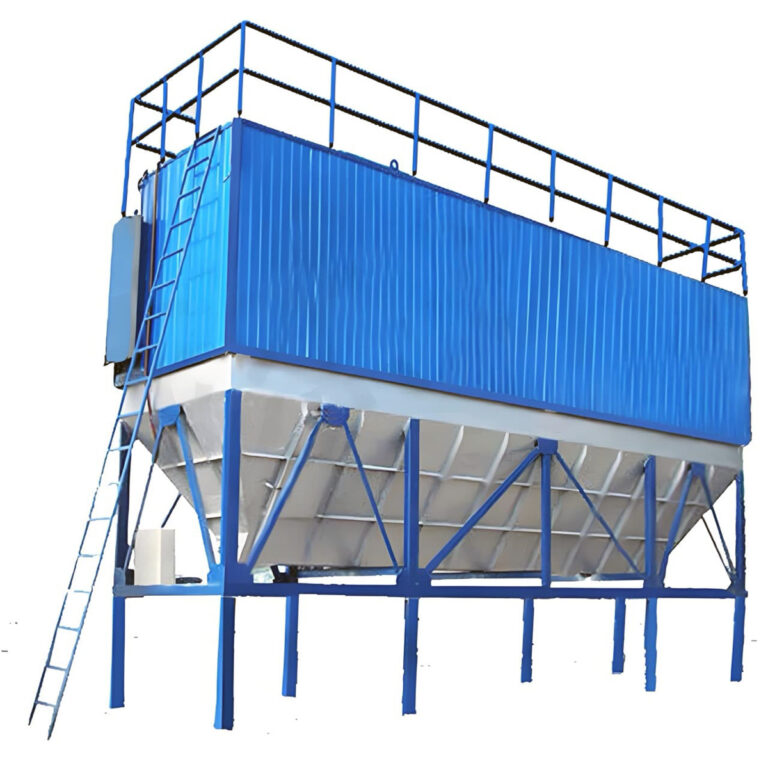
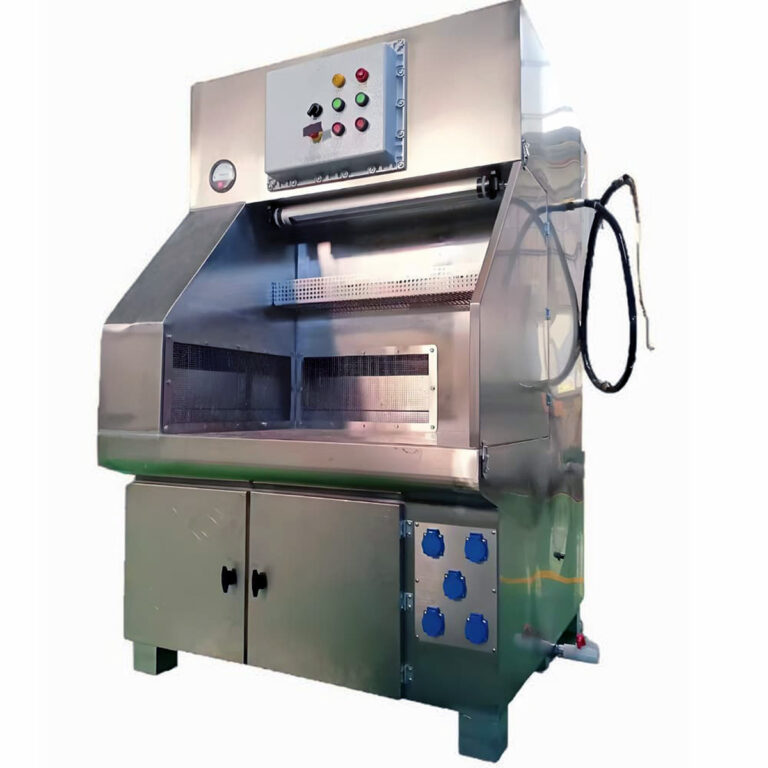
For facility managers and process engineers in ceramic and stone manufacturing, the challenge isn’t whether to remove abrasive grit from wastewater—it’s how to design a system that protects capital investment and ensures operational continuity. Many plants underestimate the unique composition of this industrial grit, treating it as a generic solids problem. This leads to rapid equipment failure, clogged downstream processes, and inflated operational costs. The decision is foundational, not incremental.
Attention to this issue is critical now due to tightening water reuse mandates and a sharp focus on lifecycle asset management. A modern grit removal system is no longer just a compliance checkbox; it’s a strategic component for reducing total cost of ownership and enabling resource recovery. The wrong specification today guarantees higher costs tomorrow.
What Is Grit and Why Is Its Removal Non-Negotiable?
Defining Industrial Grit
In ceramic and stone processing, grit is a highly abrasive mixture of silica, alumina, and mineral fragments from cutting, grinding, and polishing. These particles are harder, more angular, and have a higher specific gravity (2.5-2.7) than typical municipal grit. They are not merely suspended solids; they act as a destructive slurry that accelerates wear exponentially. Industry experts recommend characterizing this waste stream first, as its exact composition dictates the entire treatment approach.
The Cost of Inaction
If not removed, this grit causes catastrophic damage. It wears pump impellers and volutes, erodes pipe elbows, and settles in clarifiers, reducing effective volume and increasing sludge disposal frequency. According to research from operational case studies, unmanaged grit can increase energy consumption in downstream processes by up to 50% due to increased friction and pump load. The primary cost-saving insight is clear: effective grit removal is an investment that directly protects all subsequent capital equipment.
A Foundational Pretreatment Step
This makes grit removal non-negotiable as the first mechanical treatment step. It is not an optional add-on but the essential foundation for any reliable wastewater treatment train. Its performance determines the efficiency and longevity of every downstream unit process, from biological reactors to filtration systems. In our analysis of system failures, overlooking this foundational role is the most common and costly engineering oversight.
Core Grit Removal Technologies Compared: Pros and Cons
Mechanism and Particle Size Match
Technology selection hinges on accurately matching the removal mechanism to the facility’s particle size distribution (PSD). Aerated grit chambers induce a spiral flow for separation, handling larger particles well. Vortex separators create a compact, forced vortex ideal for particles around 150 microns. For the finest grit (down to 74 microns), hydrocyclones generate intense centrifugal forces but require consistent feed pressure. Easily overlooked details include the integrated capture system design—hoods, ducts, and flow controls—which is as critical as the unit itself for guaranteed efficiency.
Operational Considerations and Footprint
Beyond particle size, operational realities dictate choice. Gravity channels offer simplicity but demand significant space and detention time, making them less suitable for facilities with high land costs or variable flows. Vortex systems provide a smaller footprint, while hydrocyclones offer high efficiency in a compact form but are sensitive to flow fluctuations. The strategic implication is that a holistic engineering review of site constraints and flow patterns is mandatory before technology selection.
Comparative Technology Analysis
The following table provides a clear comparison of the core mechanisms and applications for each major grit removal technology.
| Tecnologia | Mecanismo-chave | Best For Particle Size |
|---|---|---|
| Aerated Grit Chamber | Spiral flow separation | Larger particles |
| Vortex Separator | Forced vortex | ~150 microns |
| Hidrociclone | Força centrífuga | 74 microns |
| Gravity Channel | Simple sedimentation | Coarse grit |
Fonte: Documentação técnica e especificações do setor.
Key Design Factors for Ceramic & Stone Wastewater Systems
Precise Wastewater Characterization
Effective design begins with data, not assumptions. You must quantify grit concentration, analyze the full PSD, and understand the highly variable flow rates from batch processing operations. These parameters directly dictate equipment sizing and technology selection. The principles for collecting representative solid samples, as outlined in standards like ISO 18400:2017 Soil quality — Sampling, are directly applicable here for accurate grit load assessment.
Regulatory and Activity-Based Compliance
A crucial, often missed layer is regulatory alignment. Frameworks are typically activity-based, tied to specific Standard Industrial Classification (SIC) codes. Misclassifying your operation can lead to non-compliance or costly over-engineering. The design must account for the exact effluent limits for suspended solids, and potentially metals, relevant to your classified activity. This ensures the system is legally compliant from day one, avoiding future retrofit expenses.
Accounting for Grit Washing and Odor
Design cannot stop at separation. “Grit washing” is essential to prevent organic carryover, which causes odor issues and increases the volatile content of removed grit, complicating disposal. The system must include a means to cleanse separated grit of organic matter, typically through an integrated wash cycle. We compared systems with and without this feature and found it fundamentally alters long-term operational hygiene and waste handling costs.
Operational Costs and Total Cost of Ownership (TCO) Analysis
Moving Beyond Capital Cost
A narrow focus on upfront equipment purchase is a strategic error. True financial assessment requires a Total Cost of Ownership model. This encompasses energy for pumping and aeration, scheduled maintenance intervals, the frequency and cost of part replacement, and the ongoing expenses for grit handling and disposal. Industry experts recommend a 10-year TCO analysis as the minimum for meaningful comparison between technology options.
The Lifecycle Cost Drivers
The major drivers of long-term cost are often hidden in operational details. Energy consumption can be optimized by up to 50% with correctly sized and controlled equipment. Maintenance intervals are dictated by material selection; cheaper, less resistant materials guarantee higher frequency shutdowns. The market is shifting toward this lifecycle perspective, with specifiers now demanding validated data on long-term reliability and meanness time between failures (MTBF) for critical components.
TCO Component Breakdown
Understanding where costs accrue over the system’s life is key to making a smart capital investment. The following table breaks down the critical components of a Total Cost of Ownership analysis.
| Componente de custo | Principais considerações | Strategic Impact |
|---|---|---|
| Custo de capital | Initial equipment purchase | Narrow focus is error |
| Consumo de energia | Pumping, aeration | Up to 50% optimization |
| Maintenance Intervals | Part replacement frequency | Drives long-term TCO |
| Seleção de materiais | Abrasion-resistant components | Justifies higher initial cost |
| Disposal Costs | Grit handling & transport | Impacts operational budget |
Fonte: Documentação técnica e especificações do setor.
Integrating Grit Removal with Downstream Treatment Processes
Protecting Downstream Assets
Grit removal cannot operate in a silo. Its primary function is to protect the entire treatment train. Effective removal prevents abrasive wear on clarifier mechanisms and sludge collection systems. It also stops grit from settling in biological reactors, where it can smother delicate biomass and reduce treatment efficiency. This protection directly translates to reduced maintenance costs and stable process performance across the plant.
Enhancing Sludge Management and Resource Recovery
By removing inert mineral grit, the system reduces overall sludge volumes by 5-15%. More importantly, it improves sludge quality by increasing its organic content, which enhances its potential for resource recovery. This clean, organic-rich sludge is more viable for anaerobic digestion (biogas production) or for use as a soil amendment, aligning with circular economy principles. This transforms a waste stream into a potential value stream.
Downstream Process Benefits
The impact of effective grit removal cascades through every subsequent treatment stage. The table below quantifies the typical benefits for key downstream processes.
| Downstream Process | Impact of Effective Grit Removal | Typical Benefit |
|---|---|---|
| Clarifiers | Prevents abrasive wear & clogging | Reduced maintenance |
| Biological Reactors | Protects delicate biomass | Stable treatment efficiency |
| Sludge Volume | Reduces inert grit in sludge | 5-15% volume reduction |
| Sludge Quality | Enhances resource recovery potential | Viable for soil amendments |
Fonte: ANSI/AWWA B100-16 Standard for Granular Filter Material. This standard ensures the quality of granular filter media used in downstream filtration, which is protected from premature clogging and wear by effective upstream grit removal.
Abrasion-Resistant Materials: Protecting Your Capital Investment
The Material Selection Imperative
The extreme abrasiveness of ceramic and stone grit renders standard materials obsolete. Carbon steel components, including screw flights and tank bottoms, will fail rapidly, leading to unplanned downtime and frequent replacements. The solution is to specify advanced abrasion-resistant materials from the outset. This is not an optional upgrade but a core requirement for achieving a reasonable service life and controlling maintenance costs.
High-Performance Material Options
Key materials include ceramic linings, such as alumina or silicon carbide, applied to screw conveyors and troughs. These linings offer a tremendously extended service life compared to unprotected steel. Abrasion-resistant steel plates (AR steel) provide improved durability for structural parts. For critical, localized wear points, specialized alloy weld overlays offer targeted protection. According to operational data, selecting these materials can extend component life by a factor of five or more.
Guide to Abrasion-Resistant Materials
Selecting the right material for each application is critical for longevity. The following table outlines the primary materials and their optimal uses within a grit handling system.
| Material | Aplicativo | Key Benefit |
|---|---|---|
| Ceramic-Lined (Alumina) | Screw conveyors, troughs | Tremendously extended life |
| Silicon Carbide | High-wear liners | Extreme abrasion resistance |
| Abrasion-Resistant Steel | Plates, structural parts | Improved durability |
| Alloy Weld Overlays | Critical wear points | Targeted protection |
Fonte: Documentação técnica e especificações do setor.
Developing a Grit System Specification for Your Facility
Synthesizing Technical Requirements
A precise specification document is your blueprint for success. It must synthesize data from the characterization phase into clear technical requirements: design flow rates (including peak and minimum), grit load (kg/m³), target removal efficiency (e.g., 95% of particles > 150 microns), and detailed materials of construction for every wetted part. This document becomes the objective basis for vendor bids and performance guarantees.
Incorporating Strategic Foresight
Modern specifications must look beyond basic discharge compliance. With rising water scarcity, you must consider if the treated water needs to meet quality standards for internal reuse. This strategic foresight may push you to specify finer removal targets to protect downstream membrane filtration or reverse osmosis systems. Your specification should also define performance testing protocols, such as using ASTM D3977-97(2019) Standard Practices for Extraction and Determination of Trace Elements in Water to monitor for any leached metals alongside grit.
Procurement Strategy and Vendor Selection
The specification must also reflect your chosen procurement strategy. Will you engage best-in-class specialists for each component (e.g., separate vendors for the separator, conveyor, and washer) to optimize each unit, or will you select a single-source integrated provider like a specialized grit removal system for industrial wastewater for simplified accountability? This decision influences warranty structures, service support, and overall project management complexity.
Key Specification Parameters
A comprehensive specification covers both hard technical data and strategic operational goals. This table outlines the critical parameters to define.
| Parâmetro de especificação | Required Data | Strategic Influence |
|---|---|---|
| Flow Rates | Highly variable batch data | Technology sizing |
| Grit Load & Composition | Concentration, PSD | Removal efficiency target |
| Materials of Construction | Abrasion resistance rating | Asset longevity |
| Final Water Quality | Reuse mandate compliance | Technology selection |
| Procurement Strategy | Best-in-class vs. single-source | Vendor selection |
Fonte: ISO 18400:2017 Soil quality — Sampling. The principles for collecting representative solid samples in this standard are directly applicable to accurately characterizing grit load and particle size distribution (PSD) in wastewater, which is foundational for creating a precise system specification.
Implementing and Maintaining Your Grit Removal System
Rigorous Commissioning and Training
Successful implementation hinges on a disciplined commissioning phase. This includes verifying flow rates, checking equipment alignment, and calibrating sensors under actual operating conditions. Equally important is comprehensive operator training that moves beyond basic controls to explain the why behind procedures—such as why consistent grit removal is vital for protecting the downstream biological system. This foundational step prevents early-life failures and ensures designed performance is achieved.
Adopting a Proactive Maintenance Culture
Reactive maintenance guarantees high costs and unexpected downtime. A proactive culture is built on scheduled inspections of abrasion-resistant components, regular lubrication, and monitoring of motor amperage or conveyor torque as indicators of wear or blockage. Establishing clear protocols for dealing with common challenges, like flow variation or organic buildup, turns potential upsets into managed routines.
Leveraging Digital Integration for Predictive Insights
This is where digital integration becomes a key differentiator. Implementing IoT sensors for level, pressure, and torque monitoring, coupled with data analytics platforms, enables a shift from preventive to predictive maintenance. The system can alert you to gradual increases in power consumption that signal screw conveyor wear, or to changes in settling patterns, allowing for intervention during planned downtime. Facilities that lag in this adoption will face higher operational risks and costs.
The core decision points are clear: prioritize precise wastewater characterization, select technology based on particle size and lifecycle cost, and mandate abrasion-resistant materials. Implementation success depends on a specification that integrates compliance with strategic reuse goals and a maintenance philosophy enabled by digital data. This approach transforms grit removal from a mundane pretreatment step into a documented contributor to plant efficiency and asset longevity.
Need professional guidance on specifying or optimizing a grit removal system for your ceramic or stone processing facility? The engineering team at PORVOO can help you develop a data-driven solution that protects your investment. For a direct conversation about your project requirements, you can also Entre em contato conosco.
Perguntas frequentes
Q: How do we select the right grit removal technology for our specific ceramic processing wastewater?
A: The choice depends on your particle size distribution and flow patterns. Aerated chambers handle variable flows and larger particles, vortex units suit space-limited plants targeting ~150-micron grit, and hydrocyclones excel at removing fines down to 74 microns but need consistent pressure. Performance depends on the entire capture system design, not just the unit. For projects where flow rates are highly variable from batch processes, prioritize technologies like aerated chambers designed for that instability.
Q: What are the key factors in a Total Cost of Ownership analysis for an industrial grit removal system?
A: A proper TCO model must extend beyond capital cost to include energy use, maintenance frequency, part replacement due to abrasion, and disposal expenses. The market now prioritizes lifecycle data, where premium abrasion-resistant materials and automation for predictive maintenance justify higher initial investment through reduced downtime. This means facilities focused on long-term operational reliability should demand vendor-provided lifecycle cost data during procurement, not just equipment quotes.
Q: Why is material selection so critical for grit system components, and what are the best options?
A: Standard materials fail quickly against the extreme abrasiveness of silica and alumina particles. Specifying advanced materials like ceramic-lined (alumina/silicon carbide) conveyors and abrasion-resistant steel plates is a core requirement for operational longevity, not an optional upgrade. If your operation requires continuous runtime, plan for the higher upfront cost of these specialized materials, as this investment directly controls long-term maintenance costs and total ownership expense.
Q: How should our grit removal system specification address future water reuse mandates?
A: Modern specifications must look beyond basic discharge compliance. With rising reuse requirements, your system may need to achieve finer removal targets to protect downstream treatment stages that produce reusable water quality. This strategic foresight can influence initial technology selection. For facilities in regions with tightening water regulations, expect to integrate grit removal into a broader treatment train designed for circular resource recovery from the start.
Q: What operational data is needed to accurately design a grit removal system for stone processing?
A: Effective design requires precise wastewater characterization: grit concentration, particle size distribution, and the highly variable flow rates typical of batch cutting and grinding operations. Furthermore, you must correctly classify your facility’s activities under relevant regulatory codes to define exact compliance obligations. This means a data-driven, regulation-aware design phase is non-negotiable for building a system that is both technically effective and legally compliant from day one.
Q: Which standards are relevant for monitoring wastewater quality in a ceramic plant’s treatment system?
A: While grit removal itself is physical separation, monitoring the broader wastewater stream for contaminants may involve several standards. For analyzing trace metallic elements, methods like ASTM D3977-97(2019) provide procedures. To test for oils and greases from lubricants, EPA Method 1664 Revision B is an approved gravimetric method. Facilities must identify their specific pollutant profile to select the appropriate analytical standards for compliance reporting.
Q: How can digital integration improve the maintenance and reliability of a grit removal system?
A: Implementing IoT sensors for parameters like grit bin level and conveyor torque, combined with data analytics, enables predictive maintenance. This approach optimizes removal cycles and provides rapid response to process upsets, preventing costly failures. If your goal is to transform grit removal from a reactive cost center into a cornerstone of plant efficiency, you should budget for and specify this digital monitoring capability during the initial system procurement.