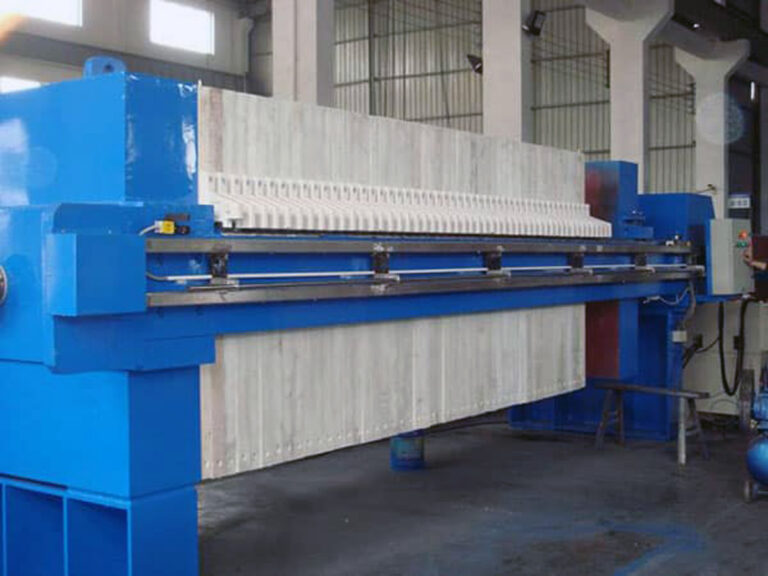
O setor de pedras enfrenta um desafio crucial que afeta tanto a rentabilidade quanto a conformidade ambiental: a gestão de águas residuais. Tendo passado algum tempo em diversas instalações de fabricação de pedras, testemunhei em primeira mão como a água se torna uma despesa operacional significativa. Não se trata apenas do volume utilizado — é o que acontece com essa água depois que gera problemas complexos para os fabricantes.
Durante uma recente visita às instalações em Vermont, observei como o lodo proveniente das operações de corte ameaçava sobrecarregar um sistema de tratamento obsoleto. “Estamos gastando mais com o descarte de água do que com alguns dos nossos materiais”, confidenciou o gerente de operações. Sua frustração refletia o que muitos no setor vivenciam diariamente.
A solução que vem ganhando cada vez mais força apresenta-se em um formato surpreendentemente compacto: os sistemas de tratamento de águas residuais do tipo silo. Esses sistemas verticais e que economizam espaço estão revolucionando a forma como a indústria de pedras lida com os desafios relacionados às águas residuais — reduzindo custos e, ao mesmo tempo, cumprindo regulamentações ambientais cada vez mais rigorosas.
O Desafio da Água no Processamento de Pedra
A fabricação de pedras é, por natureza, um processo que consome muita água. Os processos de corte, polimento e acabamento geralmente exigem de 11 a 26 litros por minuto por máquina. Para uma operação de médio porte que opera com várias serras e polidoras, isso significa milhares de litros por dia. Essa água fica carregada de partículas de pedra, formando uma lama que representa desafios tanto para o descarte quanto para o meio ambiente.
As águas residuais com alto teor de partículas provenientes do processamento de pedras contêm níveis variáveis de sólidos em suspensão, dependendo do material trabalhado. O granito produz normalmente 2.000-5.000 mg/L de sólidos em suspensão, enquanto pedras mais macias, como o mármore, podem gerar 1.500-3.000 mg/L. Essas partículas não podem simplesmente ser despejadas nos sistemas municipais ou cursos d'água.
A pressão regulatória tem se intensificado nos últimos anos. A EPA e as agências ambientais estaduais estabeleceram limites rigorosos de descarga, que normalmente exigem que o total de sólidos suspensos (TSS) seja inferior a 100 mg/L para a concessão de licenças de descarga. As multas por descumprimento podem chegar a US$ 45.000 por dia para violações graves, tornando o tratamento adequado não apenas uma preocupação ambiental, mas um risco financeiro significativo.
Além da conformidade regulatória, há a equação fundamental dos custos: entrada de água potável, saída de água contaminada. Cada uma dessas etapas implica em um gasto — a aquisição de água potável e o descarte de águas residuais. Para muitos fabricantes, essa despesa recorrente tornou-se insustentável em um setor com margens cada vez mais apertadas.
Entendendo os sistemas de tratamento de águas residuais em silos
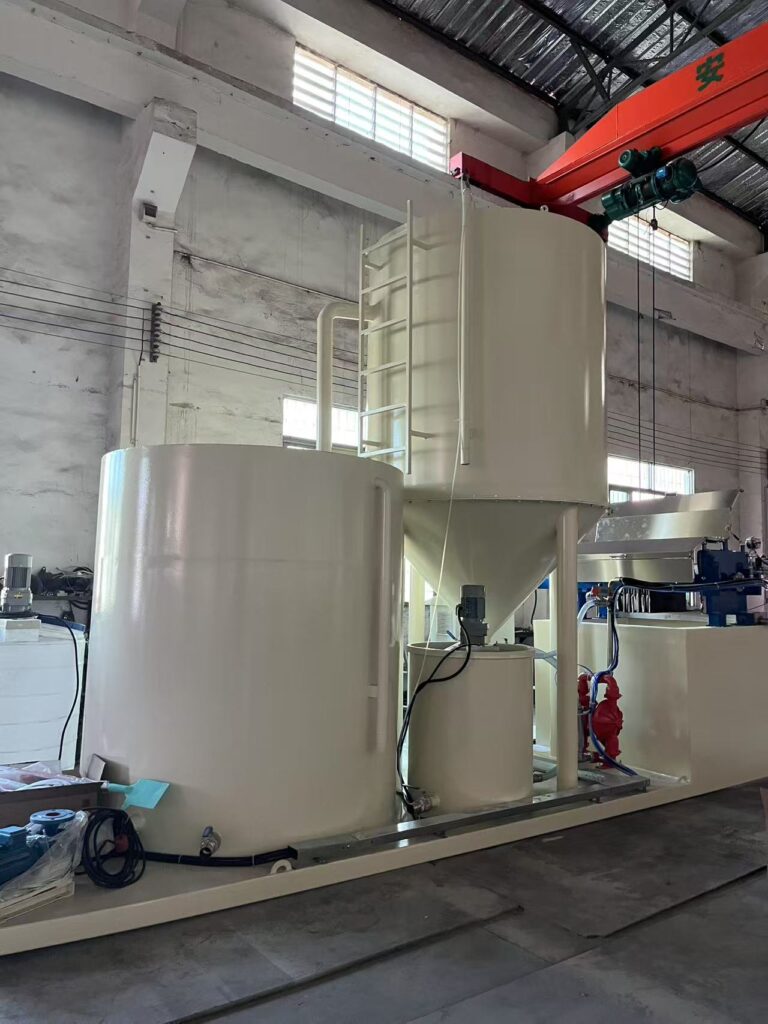
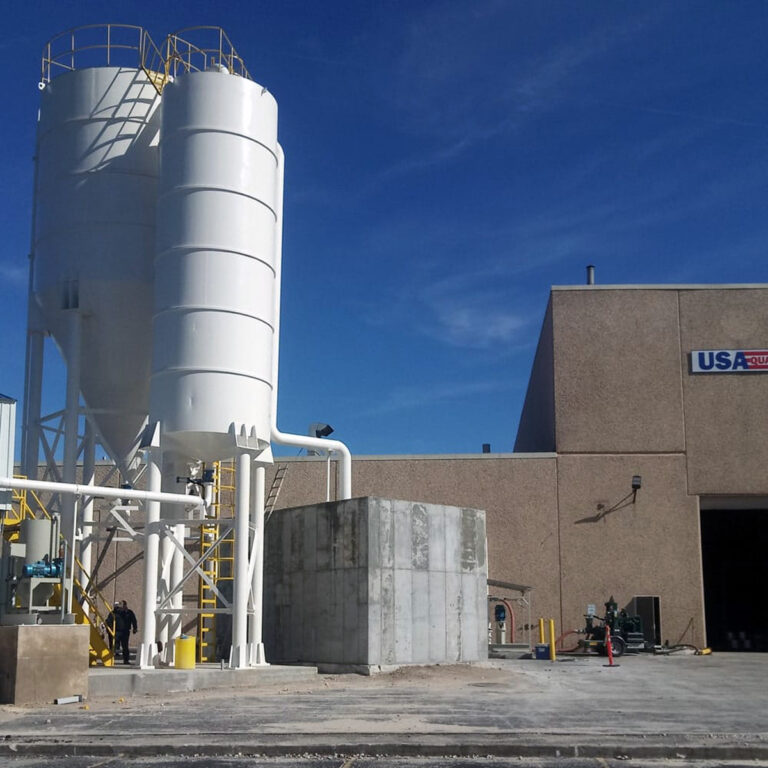
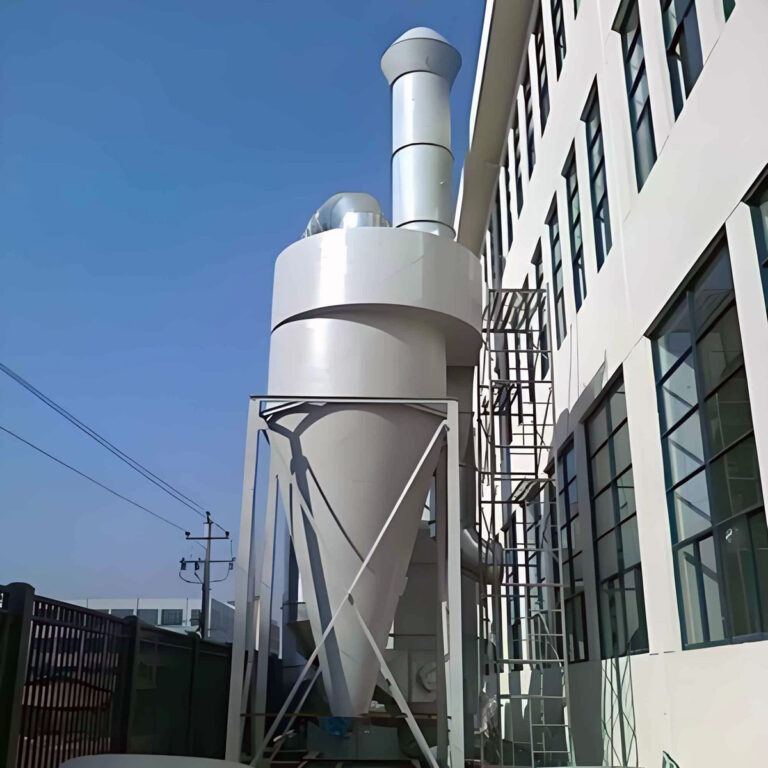
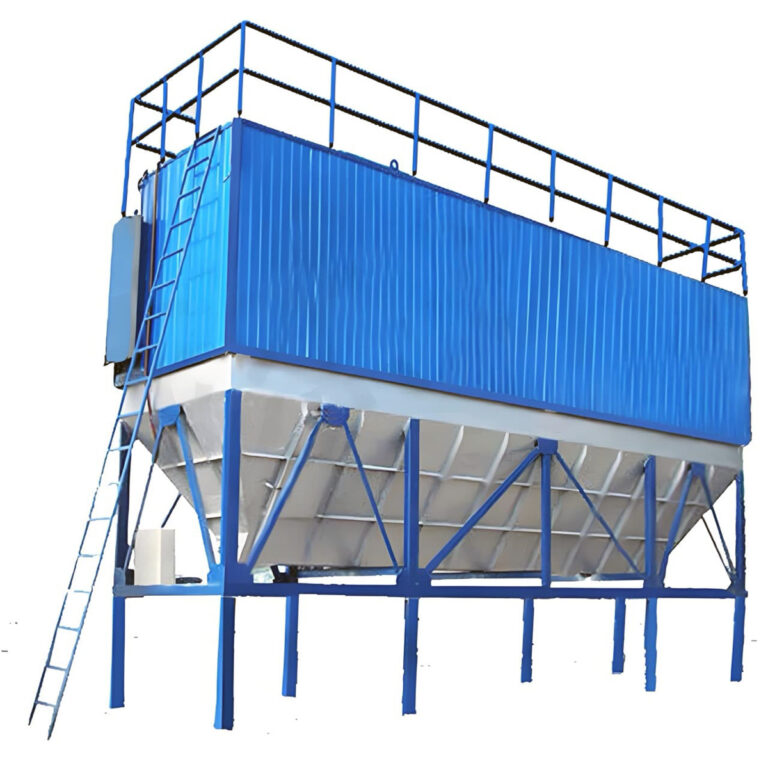
Os sistemas de tratamento de águas residuais em silo representam uma solução especializada, projetada especificamente para indústrias que geram águas residuais com alto teor de sólidos. Ao contrário dos clarificadores horizontais convencionais, que exigem grande espaço físico, esses sistemas utilizam um projeto vertical para maximizar a eficiência da separação e, ao mesmo tempo, minimizar a área ocupada.
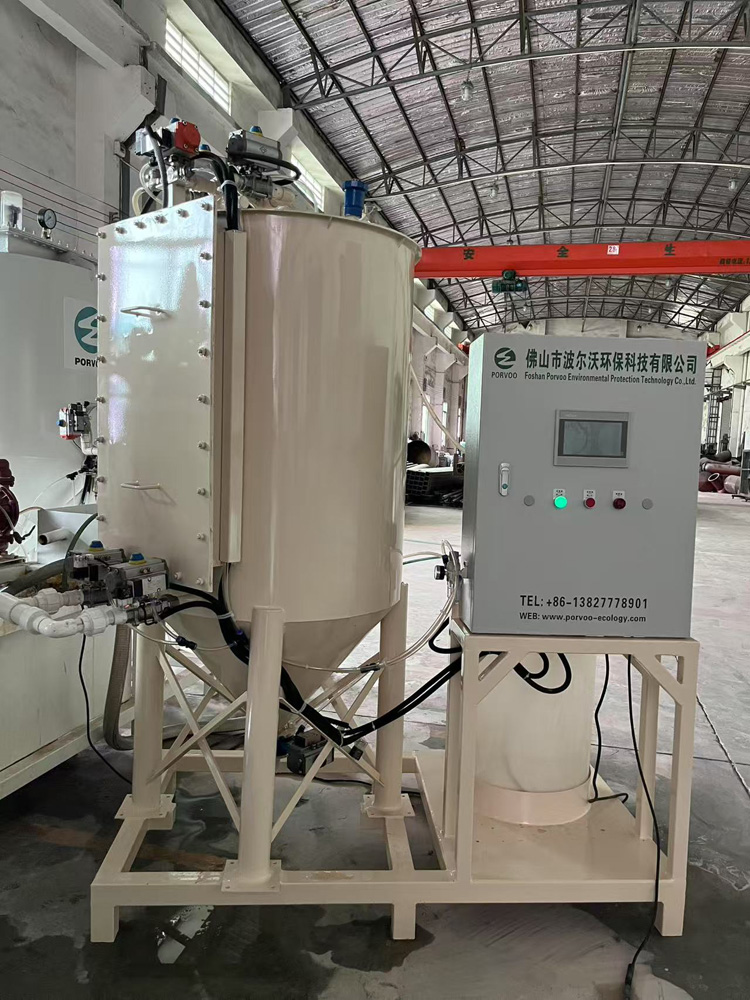
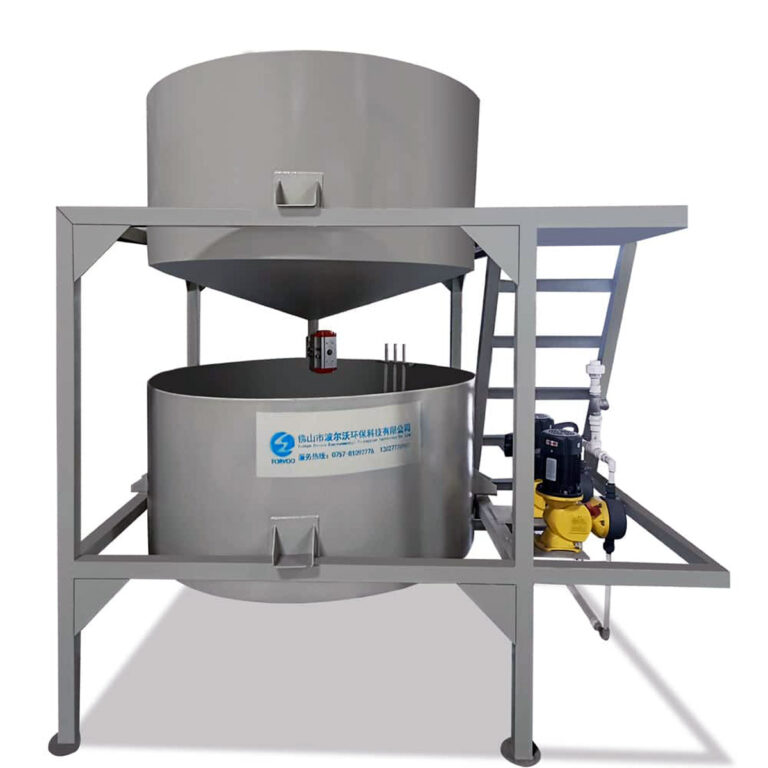
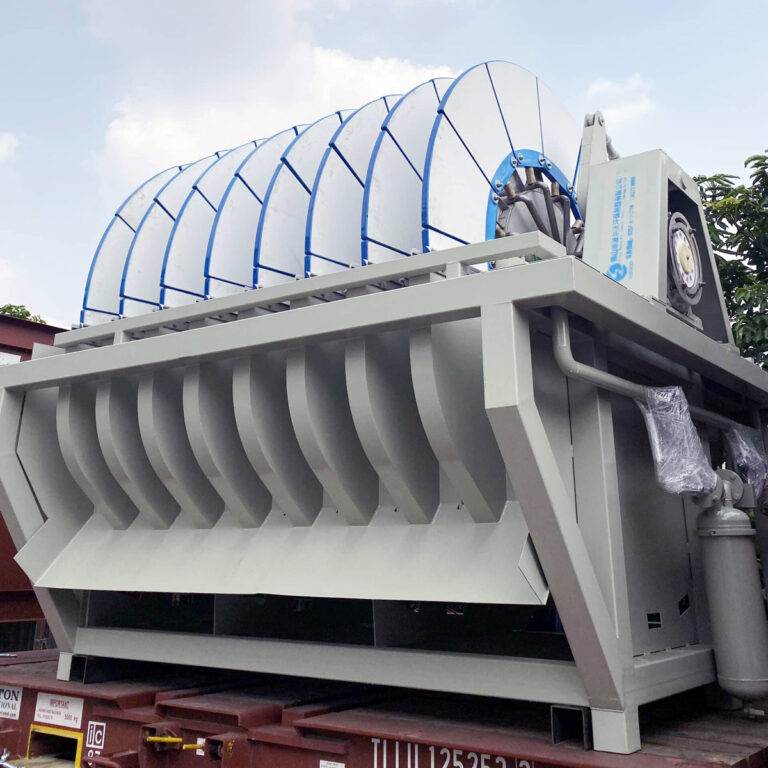
O princípio de funcionamento desses sistemas é elegantemente simples. A água contaminada entra no Sistema de silo compacto para tratamento de águas residuais industriais de cerâmica e pedra onde ocorre uma série de processos:
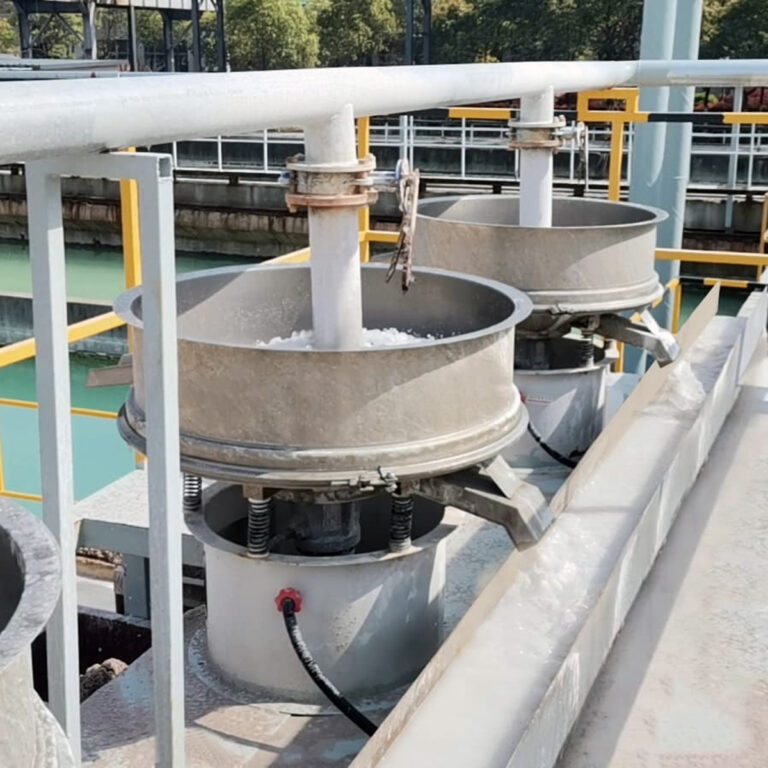
- A triagem inicial remove as partículas maiores
- Câmaras de floculação onde agentes químicos provocam a coagulação de partículas finas
- Zona de sedimentação vertical, onde a gravidade empurra os sólidos para baixo
- A água límpida sobe até os pontos de coleta próximos ao topo
- Os sólidos acumulados são descarregados periodicamente pela parte inferior
A configuração vertical cria uma zona de separação natural que aumenta a eficiência. A claridade da água melhora à medida que ela sobe pelo sistema, sendo que cada 30 centímetros verticais proporcionam uma oportunidade de sedimentação que exigiria vários metros em um sistema horizontal.
O que distingue os sistemas de silos modernos das versões anteriores é a integração de várias etapas de tratamento em uma única estrutura vertical. Essa consolidação elimina a necessidade de tanques de floculação, bacias de decantação e prensas de filtro separados, exigidos pelos sistemas tradicionais.
PORVOO e outros fabricantes aperfeiçoaram esses sistemas especificamente para aplicações na indústria de pedras, levando em conta as características específicas da lama de pedra. Os sistemas são capazes de lidar com o alto teor de minerais e a natureza abrasiva das águas residuais do processamento de pedras, mantendo a confiabilidade operacional.
Um fabricante de pedras da Pensilvânia observou: “Antes, utilizávamos uma série de tanques de decantação que ocupavam quase 74 m² do nosso espaço de produção. O sistema de silos processa o mesmo volume em menos de um quarto desse espaço, ao mesmo tempo em que produz água mais limpa.”
Benefícios de redução de custos dos sistemas modernos de silos
As vantagens financeiras do tratamento de águas residuais do tipo silo começam pela economia de água na operação. Os sistemas modernos atingem taxas de reciclagem de água de 95% a 98%, reduzindo drasticamente a necessidade de compra de água potável. Para uma instalação que processa 5.000 galões por dia, isso pode significar uma economia anual superior a US$ 15.000 apenas em custos com água.
A eficiência no uso de produtos químicos representa outra redução significativa de custos. O projeto vertical otimiza o tempo de contato do floculante, exigindo um consumo de produtos químicos 15 a 30% menor em comparação com os sistemas horizontais. Um fabricante no Texas relatou: “Estamos usando cerca de metade do floculante que precisávamos com nosso sistema antigo, economizando cerca de 1.600 dólares por mês.”
O design compacto proporciona economia de espaço tanto direta quanto indireta:
| Comparação da utilização do espaço | Sistema tradicional de várias etapas | Sistema do tipo silo | Poupança |
|---|---|---|---|
| Área útil necessária | 37–74 m² | 60-100 pés quadrados | 80-90% |
| Valor do espaço de produção ($/pé quadrado/ano) | $12-25 | $12-25 | 1.400–17.500 por ano |
| Equipamentos de manuseio adicionais | Requer bombas entre os estágios | Sistema integrado | Reduz os custos com equipamentos em 40-60% |
| Complexidade da instalação | Alta (várias conexões) | Moderado (uma unidade) | 30-50% reduziu os custos de instalação |
A eficiência energética proporciona uma economia adicional. A configuração vertical aproveita a gravidade em grande parte do processo de separação, reduzindo as necessidades de bombeamento. A maioria dos sistemas de silos opera com um consumo de energia 25% a 40% menor do que os sistemas horizontais de múltiplos estágios.
As economias mais significativas geralmente provêm do tratamento de lodo. Os recursos avançados de desidratação dos modernos Tratamento de águas residuais do setor de pedras em silos Esses sistemas produzem sólidos mais secos, com um teor de sólidos de 35-45% em peso, em comparação com os 20-25% dos sistemas convencionais. Isso se traduz diretamente em custos de descarte: transportar metade do peso pela metade do preço.
A simplicidade da manutenção reduz ainda mais os custos operacionais. Com menos peças móveis e sistemas consolidados, as horas de manutenção geralmente diminuem em 40% a 60% em comparação com sistemas compostos por vários componentes. Um fabricante relatou a realocação de um cargo de manutenção em meio período após a atualização para um sistema de silo, representando uma economia anual de mão de obra de aproximadamente $22.000.
Especificações técnicas importantes
Ao avaliar sistemas de silos para aplicações na fabricação de pedras, várias especificações técnicas têm um impacto significativo no desempenho e no retorno sobre o investimento. Após examinar dezenas de instalações, identifiquei parâmetros-chave que merecem especial atenção.
A flexibilidade da capacidade de tratamento é fundamental para lidar com a variabilidade da produção. Os sistemas mais adaptáveis suportam vazões de 5 a 50 galões por minuto, permitindo que as operações ajustem a produção sem a necessidade de substituir a infraestrutura. Essa faixa de vazão geralmente atende a instalações que processam de 500 a 5.000 pés quadrados de pedra por semana.
A capacidade de tratamento de sólidos afeta diretamente a frequência de manutenção e a eficácia do sistema:
| Parâmetro de manuseio de sólidos | Basic Systems | Mid-Range Systems | Advanced Systems |
|---|---|---|---|
| Maximum influent solids | 3,000 mg/L | 5,000 mg/L | 10,000+ mg/L |
| Solids removal efficiency | 85-92% | 93-96% | 97-99.5% |
| Sludge storage capacity | 100-200 gallons | 300-500 gallons | 500-1,000+ gallons |
| Discharge water quality (TSS) | <200 mg/L | <100 mg/L | <50 mg/L |
| Discharge cycle frequency | Diariamente | Every 2-3 days | Weekly or as needed |
| Automation level | Manual valves | Semi-automated | Fully automated with sensors |
The construction materials significantly impact longevity in the aggressive environment of stone slurry. Premium systems utilize corrosion-resistant components throughout:
- High-density polyethylene (HDPE) or fiberglass reinforced plastic (FRP) tanks resist chemical degradation
- 316L stainless steel for critical components exposed to abrasive slurry
- EPDM or silicon gaskets that maintain integrity despite pH fluctuations
Automation capabilities vary widely between entry-level and sophisticated models. The most efficient systems incorporate:
- Turbidity sensors for continuous water quality monitoring
- Automated chemical dosing based on real-time water quality
- Self-adjusting discharge cycles responding to solids accumulation rates
- Remote monitoring capabilities for preventative maintenance
- Integration with facility management systems
Os especialistas industrial wastewater system with compact design offers significant advantages in this technical context. Its vertical integration combines multiple treatment stages that would typically require separate equipment, optimizing both function and space requirements.
Maintenance access points deserve careful consideration—systems with multiple inspection hatches and clear component labeling significantly reduce service time. One maintenance supervisor noted: “Our previous system required partial disassembly for routine checks. The new silo system has inspection ports at every critical point, cutting maintenance time by 70%.”
Implementation and Integration Considerations
Implementing a silo wastewater system requires thoughtful planning to maximize benefits while minimizing disruption. Based on installations I’ve observed, the integration process typically spans 2-4 weeks from delivery to full operation.
Site preparation represents the first critical decision point. Most systems require:
- Concrete pad (4-6 inches thick) with appropriate load rating
- Proximity to existing drainage systems
- Overhead clearance for installation (typically 15-20 feet minimum)
- Access for periodic sludge removal equipment
The installation sequence generally follows this pattern:
- Pre-installation site modifications (1-3 days)
- Equipment delivery and positioning (1 day)
- Plumbing connections to existing water systems (2-3 days)
- Electrical connections and control system integration (1-2 days)
- Initial system testing and calibration (1-2 days)
- Operator training (1-2 days)
- Gradual production integration (3-7 days)
Connection to existing fabrication equipment requires careful planning. Most facilities benefit from a phased approach, first connecting the highest-volume water users (like bridge saws) before integrating secondary processes. This staged implementation minimizes production disruption while allowing operators to familiarize themselves with system management.
Integration challenges typically center around matching water flow rates between fabrication equipment and treatment capacity. In some cases, buffer tanks may be necessary to accommodate production surges. As one fabricator explained: “We installed a 500-gallon intermediate tank to handle the high-volume discharge when we run multiple saws simultaneously.”
Training requirements vary based on system complexity and staff familiarity with water treatment principles. Most manufacturers provide 1-2 days of on-site training, covering:
- Basic operational procedures
- Chemical management and dosing
- Routine maintenance tasks
- Troubleshooting common issues
- Water quality testing protocols
The learning curve for fabrication staff is generally moderate. Most operations report 2-3 weeks before staff become fully comfortable managing the silo wastewater treatment system for stone fabrication. This period can be shortened by assigning specific staff members as system specialists during the transition.
Maintenance schedules should align with production patterns. Most fabricators find weekly inspection and monthly preventative maintenance sufficient, with more comprehensive service quarterly. One facility manager advised: “We schedule thorough cleaning during our slowest production week each quarter, which prevents any impact on delivery timelines.”
Aplicativos do mundo real e estudos de caso
The theoretical benefits of silo systems prove most convincing when examined through actual implementations. While visiting a countertop manufacturer in Colorado, I witnessed a dramatic transformation in their operation after installing a vertical silo system.
Before implementation, this 15,000 square foot facility struggled with traditional settling tanks that occupied nearly 10% of their production space. Water clarity issues frequently caused equipment problems, and disposal costs were steadily rising as landfills increased fees for wet waste.
After installing an integrated silo system, their metrics improved across multiple dimensions:
| Parâmetro operacional | Before Installation | After Installation | Melhoria |
|---|---|---|---|
| Water consumption | 4,800 gallons/day | 720 gallons/day | 85% reduction |
| Annual water costs | $27,400 | $4,110 | $23,290 savings |
| Waste disposal weight | 12 tons monthly | 4.2 tons monthly | 65% reduction |
| Annual disposal costs | $42,000 | $14,700 | $27,300 savings |
| Maintenance hours | 24 hours weekly | 6 hours weekly | 75% reduction |
| Equipment downtime | 3-4 incidents monthly | <1 incident monthly | 75% reduction |
| Recovered production space | – | 950 sq ft | Added fabrication capacity |
The facility manager shared: “Beyond the direct savings, we’ve eliminated the constant distraction of wastewater problems. My team focuses on fabrication rather than fighting with our treatment system.”
Another illustrative case comes from a natural stone processor in Georgia specializing in marble and limestone. Their particular challenge involved the fine particles characteristic of these softer materials, which had proven difficult to separate with traditional systems.
Their implementation of a specialized silo system with enhanced flocculation capabilities transformed their operation. Water clarity improved dramatically, with recycled water measuring below 20 NTU (Nephelometric Turbidity Units) compared to previous levels exceeding 150 NTU. This clarity improvement extended tool life by approximately 30% while reducing rejected pieces due to water quality issues.
The adaptability of silo systems appears particularly valuable when processing multiple stone types. One fabricator handling both natural and engineered stones reported: “Our previous system struggled with the transition between materials. The new system adapts to changing slurry characteristics without manual adjustments or downtime.”
Challenges and Limitations to Consider
Despite their advantages, silo wastewater systems aren’t without challenges. Acknowledging these limitations provides a more balanced perspective for facilities considering implementation.
Initial capital investment presents the most significant barrier. Quality systems typically require $50,000-150,000 depending on capacity and features. While ROI generally ranges from 12-36 months, this upfront cost can strain smaller operations’ capital budgets. Some manufacturers now offer leasing options to mitigate this challenge, converting a capital expense to a more manageable operational cost.
The vertical design, while space-efficient, creates some accessibility challenges. Maintenance of upper components may require lifts or scaffolding, potentially complicating routine service. As one maintenance supervisor noted: “The compact footprint is great, but when something needs attention at the top of the unit, we need to bring in special equipment.”
Chemical management requires ongoing attention. While systems reduce chemical usage, they still require proper flocculant selection and dosing. Stone composition variations can necessitate formula adjustments, requiring either technical knowledge or manufacturer support. Several operators mentioned the learning curve associated with optimizing chemical programs for different stone materials.
System sizing presents another potential limitation. Undersized systems create production bottlenecks, while oversized systems represent inefficient capital allocation. Accurate projection of future capacity needs becomes critical during the specification process. One fabricator advised: “We sized for 30% growth, but our business doubled faster than expected. In retrospect, I would have invested in a larger system initially.”
For facilities processing specialized materials like certain engineered stones, standard systems may require customization. The resin content in some engineered materials creates unique separation challenges that may require enhanced chemical programs or modified settling parameters. This specialization can increase both initial and operational costs.
Finally, the transition period requires careful management. Production disruption during installation and integration can impact deliveries if not properly scheduled. Most successful implementations occur during seasonal slowdowns or planned maintenance periods to minimize business impact.
Future Developments in Stone Industry Wastewater Management
The evolution of wastewater treatment technology continues to advance, with several emerging trends poised to further improve silo system performance for stone industry applications.
Advanced automation represents perhaps the most significant development horizon. Next-generation systems are beginning to incorporate machine learning algorithms that optimize treatment parameters based on influent characteristics. These systems can detect subtle changes in slurry composition and adjust chemical dosing, settling times, and discharge cycles accordingly. This adaptability promises to further reduce operational costs while improving water quality consistency.
Material science advancements are enhancing component durability. New polymer composites and ceramic coatings demonstrate superior resistance to the abrasive nature of stone slurry, potentially extending system longevity by 30-50% over current designs. These materials allow for lighter construction without sacrificing structural integrity.
Environmental regulations continue to tighten, particularly regarding dissolved solids and trace metals. Forward-thinking manufacturers are developing supplementary modules that can be integrated with existing silo systems to address these emerging requirements. One environmental compliance officer noted: “We’re seeing indications that limits for dissolved solids will decrease by 30-40% in the next regulatory cycle. Having modular systems that can adapt to these changes provides valuable compliance insurance.”
Water scarcity concerns are driving interest in near-zero discharge systems. The latest developments incorporate advanced filtration stages that can potentially achieve water recycling rates exceeding 99%. For operations in drought-prone regions or areas with high water costs, these systems may prove especially valuable despite higher initial investment.
Energy efficiency improvements continue through better pump design and intelligent control systems. Some newer systems incorporate variable frequency drives that adjust energy consumption based on actual processing needs rather than operating at constant power. These refinements can reduce energy consumption by an additional 15-25% compared to current designs.
Remote monitoring capabilities are expanding through IoT (Internet of Things) integration. These connected systems allow for predictive maintenance by tracking performance metrics and alerting operators to potential issues before they cause operational disruptions. As one technology developer explained: “The goal is to shift from reactive to predictive maintenance, eliminating unplanned downtime entirely.”
Fabricators considering investment in current technology should evaluate systems with upgrade pathways that can accommodate these emerging developments. The modular design of many contemporary wastewater treatment systems for stone fabrication facilities allows for component upgrades without complete system replacement, potentially extending the effective life of the initial investment.
Conclusão
The evolution of silo wastewater treatment systems represents a significant advancement for stone industry sustainability and profitability. These systems address the unique challenges of stone fabrication wastewater while delivering measurable economic benefits.
Throughout my exploration of this technology, I’ve consistently observed how the compact, vertical design aligns perfectly with the space constraints and high solid content typical in stone processing facilities. The most successful implementations share common elements: thorough pre-planning, phased integration with existing processes, dedicated staff training, and regular maintenance protocols.
While no system eliminates all challenges, the cost-benefit equation strongly favors these specialized solutions for most fabrication operations. The combination of reduced water consumption, decreased disposal costs, recovered production space, and simplified maintenance creates compelling financial justification beyond mere regulatory compliance.
For fabricators still utilizing traditional settling tanks or rudimentary filtration, the question isn’t whether to upgrade but when. As environmental regulations tighten and operational costs rise, these systems increasingly represent not just an environmental solution but a competitive necessity. The fabricators who have made the transition consistently report not only cost savings but operational improvements that enhance their overall manufacturing capability.
As water resources become increasingly precious and disposal options more constrained, the stone industry must embrace solutions that minimize environmental impact while maximizing resource efficiency. Silo wastewater systems represent exactly this balance—proving that environmental responsibility and economic advantage can indeed coexist in modern stone fabrication.
Frequently Asked Questions about Silo Type Wastewater Treatment Stone Industry
Q: What benefits does a silo type wastewater treatment system offer to the stone industry?
A: Silo type wastewater treatment systems provide significant benefits to the stone industry by offering a compact and efficient way to manage wastewater. This approach helps in reducing operational costs by minimizing water discharge fees and conserving water resources. It also ensures compliance with environmental regulations, which is crucial for maintaining a good reputation and avoiding legal issues. Additionally, these systems aid in reusing treated water, which can be repurposed for various processes within the fabrication facility.
Q: How does a silo type wastewater treatment system work in the stone industry?
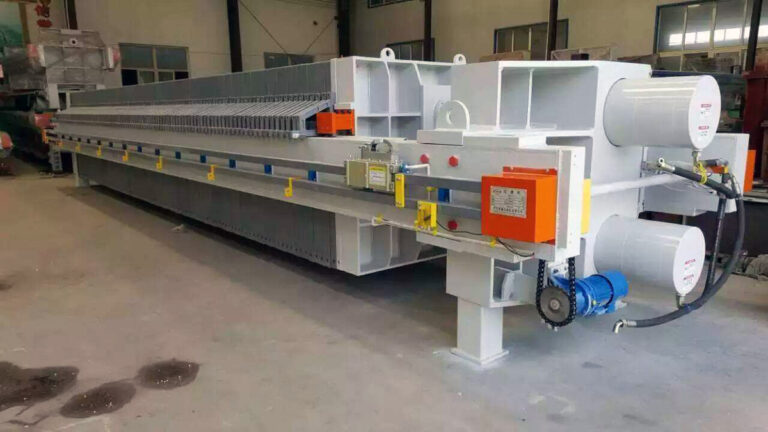
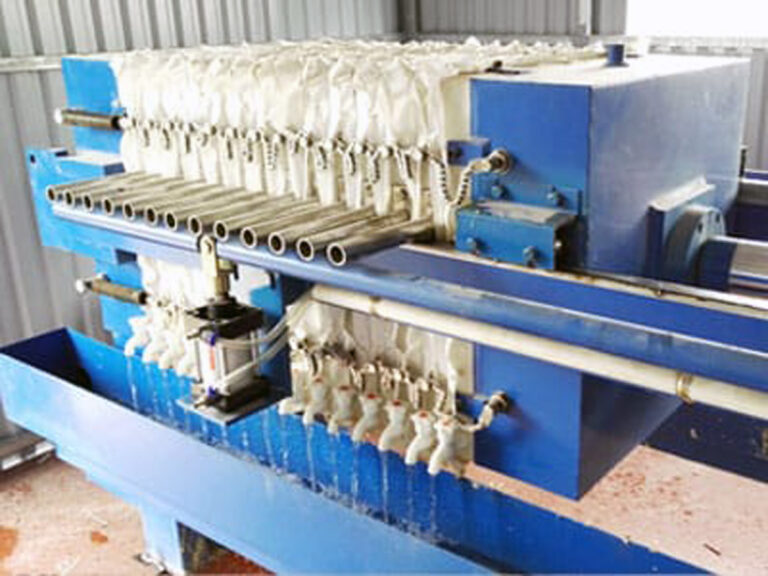
A: A silo type wastewater treatment system typically involves a multi-step process where wastewater from stone fabrication is collected and treated. This includes settling or gravitational separation of solids, followed by filtration or clarification techniques. The use of compact systems like filter presses allows for efficient sludge dewatering, turning liquid sludge into dry, compact filter cakes. These systems are designed to provide high-quality water that can be reused in the stone fabrication process, thereby reducing the need for external water supplies.
Q: What are the cost savings associated with using a silo type wastewater treatment system in the stone industry?
A: Implementing a silo type wastewater treatment system can lead to substantial cost savings for the stone industry. By treating and reusing wastewater, companies reduce their dependency on municipal water supplies, which often results in significant reductions in water utility bills. Additionally, avoiding disposal fees for unnecessarily discharged wastewater can lead to further financial savings. Some facilities have reported savings of several thousand dollars per month after integrating such systems.
Q: How does silo type wastewater treatment contribute to environmental sustainability in the stone industry?
A: Silo type wastewater treatment systems contribute significantly to environmental sustainability by minimizing wastewater discharge into public sewage systems or natural bodies. This reduces the risk of water pollution and ensures that stone fabrication operations comply with environmental regulations. By reusing treated water, these systems help conserve water resources, reducing the demand on local water supplies. This approach also reduces the amount of sludge sent to landfills, as treated sludge can be disposed of in a more controlled manner.
Q: What role does regulatory compliance play in the adoption of silo type wastewater treatment systems in the stone industry?
A: Regulatory compliance is a critical factor in the adoption of silo type wastewater treatment systems in the stone industry. These systems help companies meet local, state, and federal regulations regarding wastewater discharge. Compliance not only prevents fines and legal issues but also enhances the industry’s reputation by demonstrating a commitment to environmental responsibility. By ensuring treated water meets quality standards, these systems support sustainable business practices that are both environmentally friendly and economically viable.
Q: Can silo type wastewater treatment systems be integrated with existing infrastructure in the stone industry?
A: Yes, silo type wastewater treatment systems can be integrated with existing infrastructure in the stone industry. These systems are designed to be flexible and adaptable, allowing them to be customized based on the specific needs and capacity of the fabrication facility. Upgrades to existing systems can also be performed to enhance efficiency and water quality. This adaptability makes it feasible for facilities to transition to more sustainable water management practices without significant disruptions to their operations.