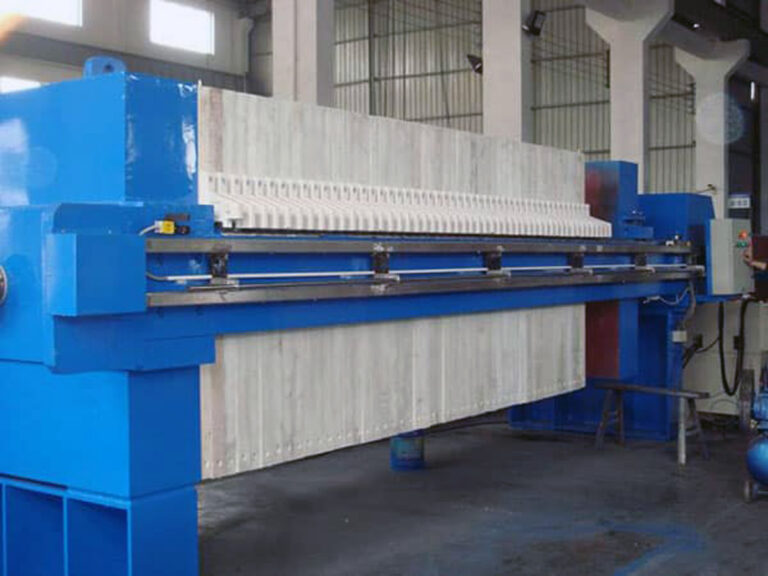
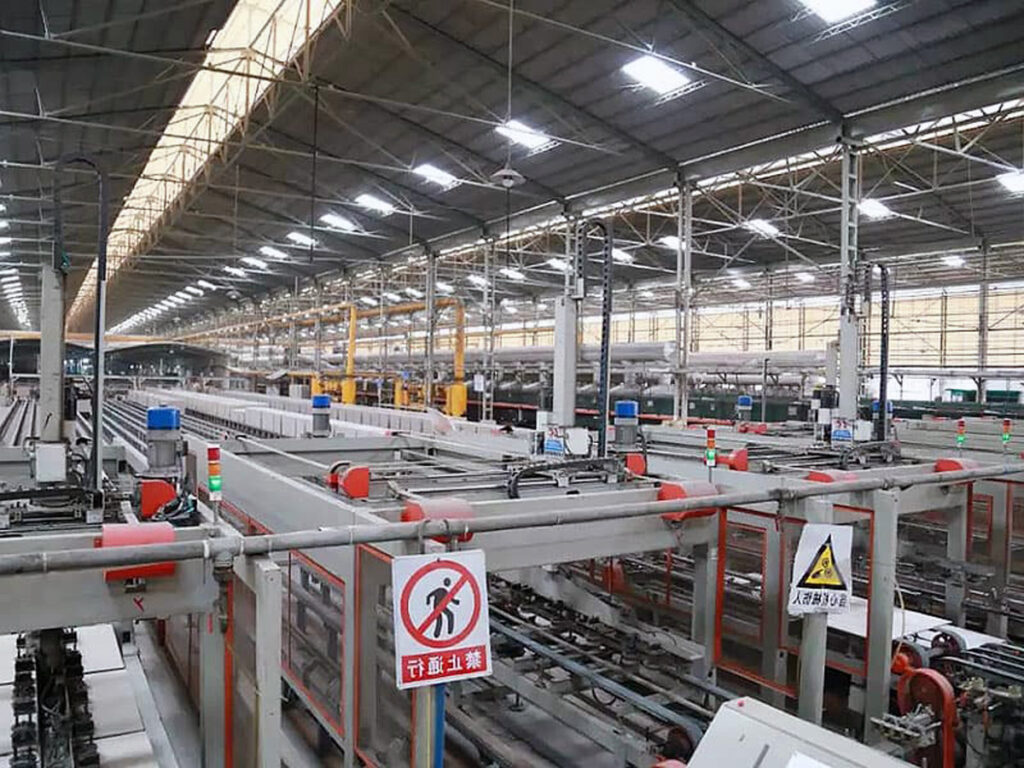
For mineral processing operations, the choice between ceramic vacuum and rotary drum filters is often framed as a capital cost decision. This perspective misses the true financial battleground: total operating costs over the asset’s lifecycle. Energy consumption, water usage, and maintenance downtime are not secondary factors; they are primary drivers of profitability. Selecting the wrong dewatering technology can lock in millions in avoidable OPEX, eroding margins in an industry where efficiency is paramount.
The urgency for a rigorous, data-driven comparison is clear. Global energy costs remain volatile, water scarcity regulations tighten, and sustainability reporting demands greater transparency. A filter is not an isolated unit but a core component of your plant’s energy and water balance. The operational differences between these technologies create divergent cost trajectories from day one, making the initial specification a long-term strategic commitment with significant financial implications.
Ceramic vs Rotary Drum Filter: Core Operational Differences
The Physics of Filtration
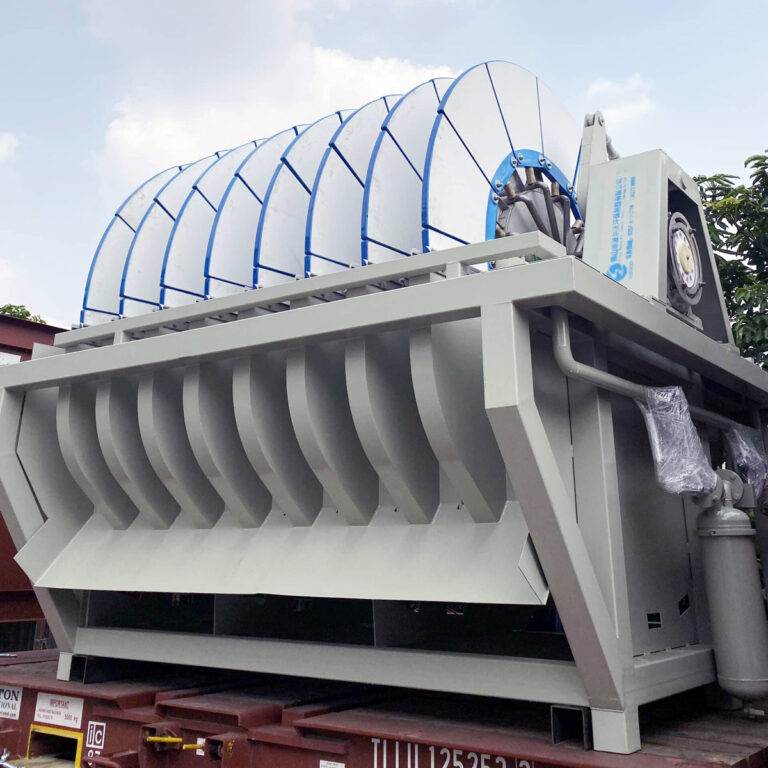
The energy and cost profiles diverge at the fundamental level of operational physics. A rotary drum filter relies on a cloth medium and a large, centralized water ring vacuum pump. This system maintains a constant vacuum, typically between -0.07 to -0.085 MPa, by moving substantial volumes of air and vapor, requiring continuous seal water for pump operation. In contrast, a ceramic filter utilizes engineered microporous ceramic plates. The capillary action within sub-micron pores physically blocks air, enabling the system to sustain a higher vacuum level (-0.09 to -0.098 MPa) with minimal air intake. This core mechanism is the foundation of its efficiency.
System Design Implications
This physics-based difference reshapes the entire ancillary infrastructure. The rotary drum’s constant high-airflow requirement dictates large vacuum pumps and a supporting ecosystem of seal water tanks, circulation pumps, and often cooling systems. The ceramic filter’s minimal air volume requirement often allows for a smaller centrifugal vacuum pump and completely eliminates the seal water circuit. From my experience evaluating plant layouts, this simplification reduces piping complexity, auxiliary power connections, and the physical footprint of the dewatering island, impacting both installation cost and operational simplicity.
Energy Consumption Compared: Direct & Ancillary Power Draw
Direct Power Draw Analysis
The most immediate comparison lies in the vacuum pump itself. For equivalent filtration duty, the power requirement is not marginally but fundamentally different. A rotary drum filter might necessitate a 75-100 kW vacuum pump to handle the large air volume, while a ceramic filter unit for the same throughput may require only 10-20 kW. This direct reduction of 35-90% in the primary energy load transforms the filter from a major power consumer to a relatively efficient component. Industry experts consistently highlight that overlooking this direct comparison underestimates the lifetime energy liability.
The Hidden Cost of Ancillary Systems
A comprehensive energy audit must extend beyond the nameplate on the vacuum pump. The ancillary load of a rotary system is substantial and often overlooked. The seal water system requires dedicated pumps for circulation and, in many climates, coolers to manage heat buildup—a continuous hidden energy cost. Ceramic filters eliminate this parasitic load entirely. Furthermore, their production of clear filtrate (often <50 ppm solids) enables direct recycling within the process circuit, reducing the energy required for pumping and treating fresh makeup water. We compared the total connected load for both systems and found the ancillary savings alone justified a deeper operational review.
Quantifying the Energy Gap
| Componente | Filtro a vácuo de cerâmica | Rotary Drum Filter |
|---|---|---|
| Vacuum Pump Power | 10-20 kW | 75-100 kW |
| Ancillary Water Systems | None required | Seal water pumps & coolers |
| Filtrate Quality | <50 ppm solids | Maior teor de sólidos |
| Direct Energy Savings | 35-90% reduction | Linha de base |
Fonte: ISO 50001:2018. This standard provides the authoritative framework for measuring and improving energy performance, directly relevant to quantifying and comparing the power draw of industrial filtration equipment as a key energy performance indicator.
Operating Cost Analysis: OPEX, TCO, and ROI Scenarios
Building a Complete OPEX Model
A true operating cost analysis must be multi-dimensional. For ceramic technology, the OPEX advantage synthesizes direct energy savings, elimination of seal water and its associated treatment costs, removal of recurring cloth media purchases, and reduced fresh water consumption. Easily overlooked details include the labor for media changes and the disposal cost of spent filter cloths. A rotary drum filter’s lower CAPEX is frequently eroded by these predictable, recurring expenses, which create a higher and less stable long-term cost base.
A perspectiva do custo total de propriedade
The decisive financial lens is the Total Cost of Ownership (TCO) over a 10-year horizon. The higher initial capital expenditure for a ceramic filter is frequently offset within 18-24 months by the compounding OPEX savings. A critical TCO component is media lifespan: ceramic plates last 5-10+ years, while cloth media requires replacement every 1-2 years. According to research from operational case studies, a granular TCO model that factors in energy, water, maintenance, disposal, and labor consistently favors ceramics in high-volume applications, making the initial purchase price a less decisive factor.
Key Financial Comparison Points
| Componente de custo | Filtro de cerâmica | Rotary Drum Filter |
|---|---|---|
| Media Lifespan | 5-10+ years | 1 a 2 anos |
| Seal Water Cost | Eliminado | Substantial recurring cost |
| Typical Payback Period | <2 years | N/A (baseline) |
| TCO Analysis Horizon | 10-year model | 10-year model |
Observação: TCO analysis must include energy, water, maintenance, and disposal costs.
Fonte: Documentação técnica e especificações do setor.
Which Technology Achieves Lower Cake Moisture?
Performance Under Sustainable Vacuum
Cake moisture is not just a performance metric; it’s a cost driver. Ceramic vacuum filters consistently achieve lower final cake moisture, often at or below 10%, compared to 15-20% or higher from many rotary drum applications. This is a direct result of the higher, more stable vacuum level (-0.09 to -0.098 MPa) sustained throughout the cycle. The ceramic’ capillary action prevents air breakthrough, allowing for more effective water removal during the drying zone, a factor we validated during side-by-side pilot testing.
Downstream Cost Implications
The strategic impact of drier cake extends far beyond the filter discharge. For high-tonnage operations, a reduction of several percentage points in moisture translates to thousands of tons less water transported annually. This lowers freight costs, reduces disposal fees at tailings facilities, and decreases thermal energy requirements if downstream drying is needed. These secondary savings can be substantial, potentially outweighing the direct energy savings and forming a critical, often underestimated pillar of the financial ROI.
Moisture and Vacuum Performance Data
| Métrico | Filtro a vácuo de cerâmica | Rotary Drum Filter |
|---|---|---|
| Typical Cake Moisture | ≤10% | 15-20%+ |
| Sustainable Vacuum Level | -0.09 to -0.098 MPa | -0.07 to -0.085 MPa |
| Downstream Cost Impact | Lower transport/disposal mass | Higher mass for handling |
Fonte: Documentação técnica e especificações do setor.
Maintenance, Uptime, and Long-Term Reliability Compared
Maintenance Regime and Downtime
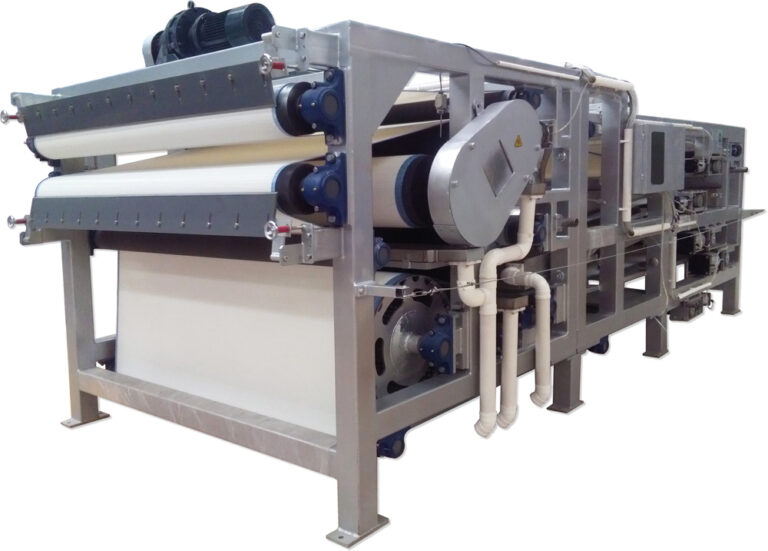
Reliability profiles dictate plant availability. Rotary drum filters require regular planned shutdowns for cloth media replacement, washing, and repair. This incurs direct labor costs and production downtime. Ceramic plates offer exceptional resistance to abrasion and corrosion, with service lives measured in years. Their primary maintenance involves an automated back-pulsing system to clear pores, not manual replacement. This shift results in higher operational availability and more consistent, predictable performance over the long term.
Skill Sets and Lifecycle Costs
The maintenance paradigm shifts from frequency to complexity. While ceramic filters drastically reduce routine mechanical labor, they necessitate technicians skilled in PLC management and the handling of advanced ceramic components. The total lifetime maintenance cost is typically lower, but the cost profile is different: fewer but more specialized interventions. This trade-off must be factored into staffing and training plans. The long-term reliability directly contributes to the favorable TCO by minimizing unplanned stoppages and production losses.
Reliability and Maintenance Comparison
| Aspecto | Filtro de cerâmica | Rotary Drum Filter |
|---|---|---|
| Media Replacement Frequency | 5-10 year intervals | 1-2 year intervals |
| Primary Maintenance Activity | Automated back-pulsing | Manual cloth replacement |
| Operational Availability | Mais alto | Lower (regular shutdowns) |
| Technician Skill Requirement | Higher (PLC, ceramics) | Mecânica padrão |
Fonte: Documentação técnica e especificações do setor.
Space Footprint and Plant Integration Considerations
Physical and Operational Footprint
Ceramic disc filters often provide a more compact footprint per unit of filtration area, a key advantage in brownfield site upgrades or space-constrained plants. Beyond mere size, their integration capability is strategic. The PLC-controlled operation delivers consistent, tunable performance and generates valuable operational data. The high-quality filtrate is a key enabler, allowing for direct recycling back into the process. This supports the development of closed-loop water systems, a critical response to water scarcity and tightening regulations like those aligned with ISO 14001:2015 for environmental management.
The Path to Smart Filtration
The automated, data-rich nature of modern ceramic filtration systems provides a foundation for advanced process control. Operational parameters can be monitored and adjusted in real-time, and performance data can feed into plant-wide analytics platforms. This paves the way for predictive maintenance schedules and future integration with AI-driven optimization systems for the entire dewatering and tailings management process, moving from a manual, reactive operation to a data-informed, predictive one.
Best Fit Analysis: Use Cases for Specific Minerals & Slurries
Defining the Application Sweet Spot
The optimal application for ceramic vacuum technology is defined by material characteristics and scale. The alumina/zirconia ceramic composition provides inherent suitability for abrasive, corrosive, and fine-particle slurries common in mining—such as iron ore concentrate, copper concentrate, phosphate, and gold tailings. For these high-volume, cost-sensitive applications, the TCO advantage is clear and decisive. The technology excels where the cost of cloth wear, energy, and water would be prohibitive.
Persistent Niches for Alternative Technologies
Rotary drum and other technologies retain viability in specific niches. These include lower-volume operations, processing of non-abrasive or coarse slurries where cloth life is extended, or in applications where the premium for ceramic efficiency cannot be justified by the operational scale. The market is segmenting: ceramic vacuum filters are becoming the standard for high-tonnage, fine-particle dewatering in major mineral streams, while other technologies address different segments. Understanding your slurry’s particle size distribution, chemistry, and throughput is the first step in this fit analysis.
Decision Framework: Selecting the Right Dewatering Technology
Shift the Decision Paradigm
The first step is to abandon the CAPEX-only mindset. Mandate a detailed, multi-year TCO analysis as the primary decision tool. This model must incorporate all quantifiable factors: energy consumption (aligned with ISO 50001:2018 principles), water usage and recycling potential, maintenance labor and parts, media replacement costs, and downstream impacts like transport and disposal. This holistic view reveals the true cost trajectory.
Validate with Pilot Testing
For specific, challenging, or ultra-fine slurries, laboratory specifications are not a guarantee of plant performance. A structured pilot testing program with vendor support is a non-negotiable de-risking step. It validates critical outcomes: achievable cake moisture, throughput rates, solids capture, and discharge characteristics for your specific ore body. This empirical data is essential for final sizing, OPEX forecasting, and ensuring the selected ceramic vacuum filtration system will meet your production and financial targets.
Alinhar-se com as metas estratégicas
Finally, align the technology choice with overarching plant objectives. Is the primary driver energy reduction, water conservation, maximizing uptime, or minimizing downstream costs? For high-volume mineral processing focused on reducing operating costs, the evidence overwhelmingly supports ceramic vacuum technology. Its combination of lower energy draw, superior dewatering, reduced water footprint, and higher reliability delivers a compelling and defensible ROI.
The decision hinges on three priorities: adopting a TCO financial model, insisting on pilot-scale validation for your specific slurry, and aligning the technology with strategic plant goals for efficiency and sustainability. For operations where energy, water, and reliability directly impact the bottom line, the operational and economic case for advanced ceramic filtration is definitive.
Need a professional analysis of how ceramic vacuum technology could reduce your dewatering operating costs? PORVOO provides expert technical consultation and pilot testing support to build your specific TCO model and validate performance.
Perguntas frequentes
Q: How do ceramic vacuum filters achieve such a significant reduction in direct energy consumption compared to rotary drum filters?
A: The reduction stems from a core operational difference: ceramic plates use capillary action to block air, sustaining a higher vacuum with minimal air intake. This physics-based mechanism often allows the use of a smaller centrifugal pump instead of a large, constant-running water ring vacuum pump. For projects where energy performance is a primary driver, plan for a power draw reduction of 35-90% for the vacuum system alone, which directly supports energy management goals under ISO 50001:2018.
Q: What are the critical components to include in a Total Cost of Ownership model for dewatering equipment?
A: A comprehensive TCO model must extend beyond capital cost to include direct energy consumption, seal water system costs, recurring media replacement (cloth vs. 5-10+ year ceramic plates), fresh water intake, and downstream savings from drier cake. Evaluate these factors over a 10-year horizon to accurately compare technologies. This means facilities with high-volume, abrasive slurries should prioritize this multi-dimensional OPEX analysis, as the higher initial CAPEX for ceramic filters is frequently offset within two years.
Q: Why does lower cake moisture from a ceramic filter create secondary operational savings?
A: Consistently achieving cake moisture at or below 10%—compared to 15-20%+ from many drum filters—directly reduces the mass of material for transport and disposal. For high-tonnage operations, this decreases freight costs, landfill fees, and thermal energy if further drying is required. If your operation requires shipping or thermally processing concentrate or tailings, expect these cascading logistical savings to form a major pillar of your financial return on investment.
Q: How does the maintenance profile differ between these two technologies, and what skillset shift is required?
A: Rotary drum filters need regular shutdowns for cloth replacement and cleaning, incurring labor and downtime costs. Ceramic filters shift maintenance to automated back-pulsing and PLC management, requiring higher-skilled technicians but delivering far greater operational availability and a 5-10 year plate lifespan. This means facilities aiming for higher plant uptime and lower long-term maintenance costs must plan for a corresponding investment in training or hiring personnel skilled in advanced process control and ceramic handling.
Q: What is the most reliable method to de-risk technology selection for a specific mineral slurry?
A: The definitive method is conducting a pilot test with vendor support on a representative sample of your ore. Lab specifications alone cannot guarantee performance on unique or ultra-fine slurries. This critical step validates actual throughput, final cake moisture, and discharge characteristics. For operations processing a new or variable ore body, you should budget for and mandate pilot testing as a non-negotiable part of the procurement process to ensure the selected system meets your production and cost targets.
Q: How can ceramic filter integration support broader plant environmental and operational goals?
A: Their PLC-controlled operation and production of clear filtrate (<50 ppm solids) enable direct water recycling within the process circuit. This supports closed-loop water systems, reducing fresh water intake and addressing water scarcity. This strategic integration aids in managing environmental aspects as part of an ISO 14001:2015 framework, while the generated operational data provides a foundation for future predictive analytics and plant-wide process optimization.
Q: In which mineral processing applications is the ceramic filter’s TCO advantage most decisive?
A: The technology’s advantage is clearest in high-volume, cost-sensitive applications involving abrasive, corrosive, or fine-particle slurries, such as iron ore, copper concentrate, phosphate, or gold tailings. The alumina/zirconia ceramic composition is inherently suited to these harsh conditions. This stratification means that for large-scale mining operations, the evidence overwhelmingly supports ceramic vacuum technology as the cost-reducing solution, while rotary drum may remain viable for lower-volume or less abrasive niches.