Selecting the right dewatering technology for a mining operation is a high-stakes capital decision. The wrong choice locks in excessive energy costs, subpar cake dryness, and complex maintenance for decades. Many plant managers default to familiar technologies like belt or plate filter presses, overlooking how fundamental operating principles dictate total cost and performance.
The pressure to optimize water reuse and reduce tailings storage is intensifying. With stricter environmental regulations and volatile energy prices, the efficiency gap between technologies has become a decisive financial factor. A performance comparison must move beyond basic specs to analyze lifecycle costs, operational dependencies, and strategic fit for your specific slurry.
Ceramic vs Belt vs Plate Filter: Core Operating Principles Compared
The Physics of Separation
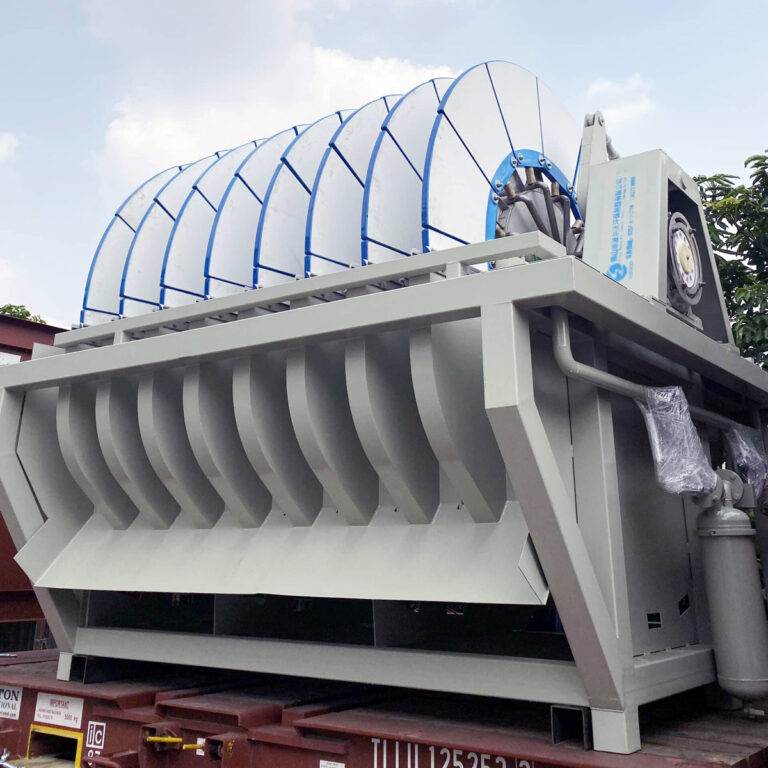
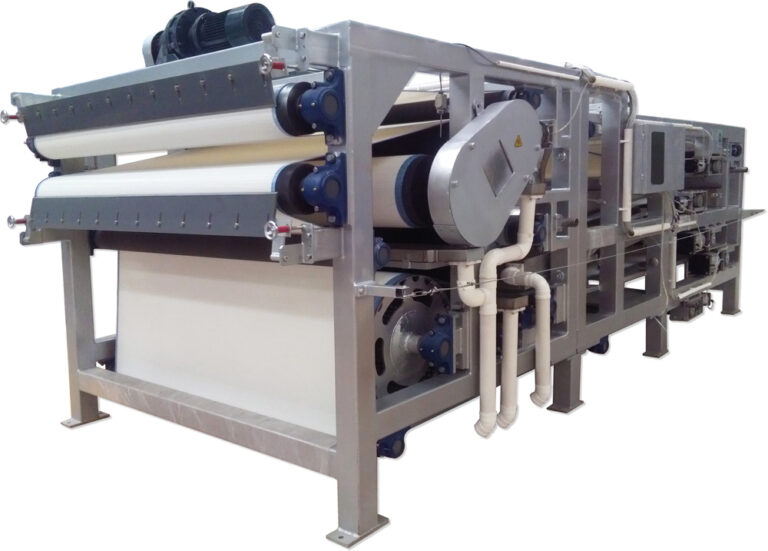
The core separation mechanism defines each technology’s entire operational envelope. A ceramic vacuum filter operates on a continuous rotary principle, using micro-porous ceramic plates where capillary action and a low-energy vacuum (0.09–0.098 MPa) draw water through. This represents a technology convergence of advanced materials science and physics, enabling its unique efficiency. In contrast, a belt filter press is a continuous mechanical expression device, dewatering flocculated slurry first by gravity drainage then by progressive pressure from rollers.
Batch vs. Continuous Processing
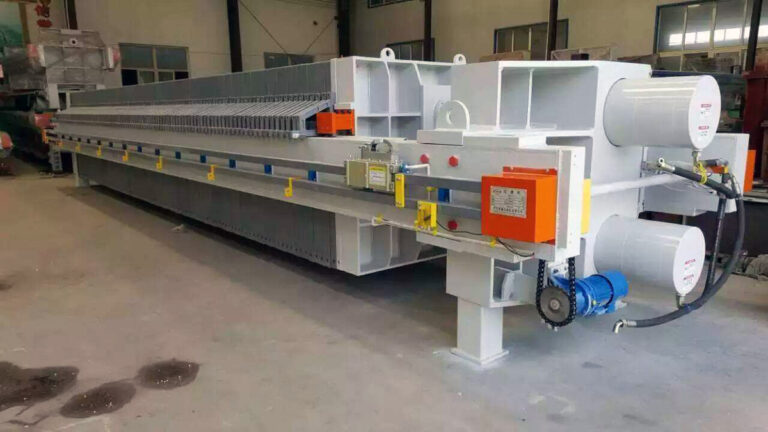
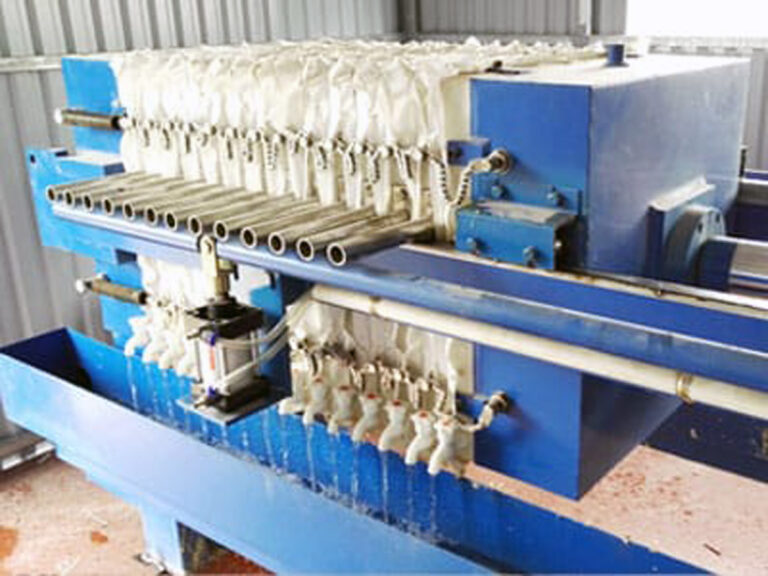
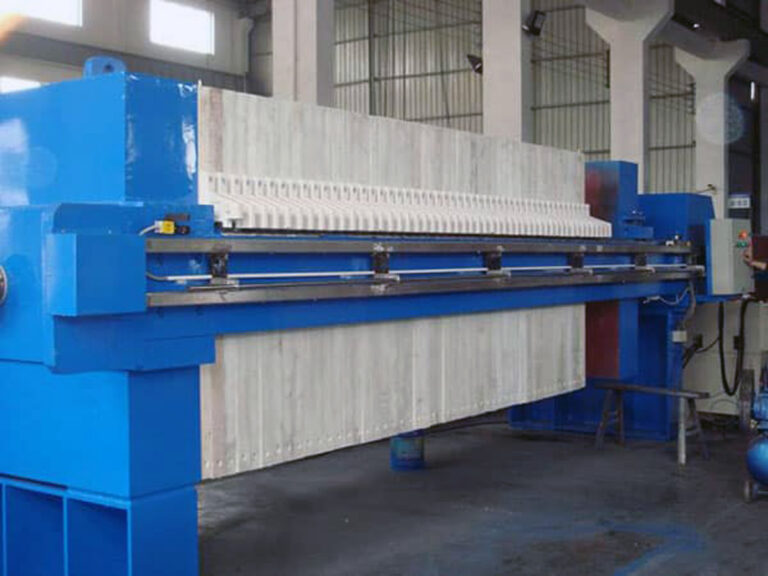
A plate filter press is fundamentally different as a batch-operated, high-pressure system. Slurry is pumped at 0.7–2.0+ MPa into cloth-lined chambers until solids form a cake. This core distinction—continuous vacuum, continuous mechanical pressure, or batch hydraulic pressure—sets the stage for all subsequent trade-offs in throughput, automation, and cake handling. The batch nature of plate presses inherently limits continuous capacity and introduces cyclical downtime.
Impact on Plant Design
This fundamental difference in operation ripples through plant design. Continuous systems (ceramic and belt) integrate into steady-state processes, while batch systems require ancillary equipment for cake discharge, cloth washing, and cycle management. In my experience, underestimating the ancillary footprint and utility demands of the batch cycle is a common oversight during initial planning.
Total Cost of Ownership (TCO): Capital & Operating Cost Comparison
Breaking Down Capital Expenditure
Initial purchase price is a misleading metric. Ceramic vacuum filters typically command a higher capital cost, which is offset by their energy efficiency benchmark. They can achieve up to 90% energy savings compared to traditional vacuum systems, dramatically altering the operating expense profile. Belt filter presses present a moderate capital cost, while plate filter press costs are highly variable based on automation level and plate size.
The Lifetime Cost Drivers
The true TCO emerges from long-term operational and consumable costs. For ceramic filters, the primary cost driver is the ceramic plate media itself; its lifespan and supply chain stability are critical. For plate presses, the recurring cost is filter cloth replacement and the energy for high-pressure pumping. Lifecycle management shifts from mechanical to media-centric. This makes the cost, lifespan, and availability of these proprietary consumables a central TCO calculation.
Modeling Your TCO
A rigorous TCO model must include energy consumption per ton of dry solids, media replacement schedules, labor for maintenance, and potential production losses from downtime. The following table provides a framework for comparing the core cost components across technologies.
| Componente de custo | Filtro a vácuo de cerâmica | Prensa de filtro de correia | Plate Filter Press |
|---|---|---|---|
| Custo de capital | Alta | Moderado | Variável |
| Energy Benchmark | Up to 90% savings | Moderate consumption | Highest specific consumption |
| Key Consumable Cost | Ceramic plate media | Condicionamento de polímeros | Filter cloths |
| Primary TCO Driver | Media lifespan & supply | Polymer & belt maintenance | Cloth replacement & energy |
Fonte: Documentação técnica e especificações do setor.
Performance Showdown: Cake Moisture, Throughput & Filtrate Clarity
The Triple Constraint
Performance is a three-way trade-off between cake dryness, filtrate clarity, and throughput. Plate filter presses, using high pressure, often achieve the lowest cake moisture, especially with compressible materials. Ceramic filters excel with fine, free-draining concentrates, typically achieving 6%-16% moisture. Belt presses generally yield higher moisture cakes (15%-30%) but handle high volumes continuously.
The Value of Clear Filtrate
Filtrate clarity is a critical, often undervalued, metric. Ceramic filters dominate here, producing water with <50 ppm solids suitable for direct recycle. This transforms the filter from a cost center to a water reuse value center, reducing freshwater intake and tailings pond load. Filtrate from belt and plate presses often contains higher solids, requiring secondary clarification before reuse or discharge.
Matching Technology to Duty Cycle
Throughput is dictated by operation mode. Continuous ceramic and belt filters are designed for high-volume streams. The batch cycle of a plate press limits its maximum continuous capacity, making it more suitable for lower-volume, high-value product recovery or applications demanding extreme dryness. The table below summarizes these key performance differentiators.
| Métrica de desempenho | Filtro a vácuo de cerâmica | Prensa de filtro de correia | Plate Filter Press |
|---|---|---|---|
| Cake Moisture Range | 6% – 16% | 15% – 30% | Lowest achievable |
| Clareza do filtrado | <50 ppm solids | Requires clarification | Requires clarification |
| Operation Mode | Contínuo | Contínuo | Lote |
| Throughput Suitability | High-volume streams | High-volume streams | Limited continuous capacity |
Fonte: ISO 12900:2015 Solid-liquid separation — Vocabulary. This standard provides the foundational definitions for key performance metrics like cake moisture, filtrate clarity, and throughput, ensuring consistent interpretation of the comparative data presented.
Which Filter is Better for Your Specific Mining Slurry Type?
Mapping Slurry to Technology
Selection is not generic; it requires mapping slurry characteristics to engineered market application zones. Filtration performance is directly tied to material particle size and chemistry. Ceramic vacuum filters are optimal for fine, granular materials like metallic concentrates (copper, zinc, iron ore) where dry cake and clear filtrate are priorities. Their performance can falter with sticky, ultra-fine, or colloidal feeds that blind the ceramic pores.
The Role of Feed Preparation
Belt filter presses are the workhorse for high-volume, flocculated tailings or waste streams where ultimate dryness is secondary to continuous processing. Their effectiveness is heavily dependent on polymer conditioning. Plate filter presses handle a wide range, including fine and compressible slurries, and are chosen for maximum cake dryness, valuable product recovery, or applications requiring efficient cake washing in a contained chamber.
Application-Specific Guidance
The following table provides a starting point for technology shortlisting based on slurry type. Pilot testing with representative feed material is non-negotiable to confirm suitability.
| Slurry Type / Application | Optimal Technology | Principal fator de desempenho |
|---|---|---|
| Fine, granular concentrates | Filtro a vácuo de cerâmica | Dry cake, clear filtrate |
| High-volume tailings | Prensa de filtro de correia | Continuous processing |
| Compressible, fine slurries | Plate Filter Press | Maximum cake dryness |
| Sticky, colloidal feeds | Not recommended for Ceramic | Performance faltering |
Fonte: Documentação técnica e especificações do setor.
Maintenance, Downtime & Operational Complexity Compared
Defining the Maintenance Regime
Operational demands and skill sets differ significantly. Ceramic filters require consistent, automated backwashing as a critical operational dependency using water and periodic acid or ultrasonic cycles to prevent pore blinding. This process is largely automated but adds a consumable (clean water, acid) cost. Standards like JB/T 14401-2023 Ceramic vacuum filter detail these maintenance requirements.
Mechanical vs. Cyclical Demands
Belt presses need ongoing mechanical maintenance: tracking and tensioning the belt, maintaining rollers, and cleaning spray nozzles. Downtime typically occurs for belt replacement or major roller repairs. Plate filter presses involve cyclical cloth washing, plate inspection, and hydraulic system maintenance, with inherent downtime for each batch discharge cycle. The operational complexity shifts from control system management (ceramic) to mechanical adjustment (belt) to batch sequencing and cloth care (plate).
Comparing Operational Profiles
This table contrasts the core maintenance focus and downtime characteristics, which directly impact plant availability and staffing needs.
| Aspecto | Filtro a vácuo de cerâmica | Prensa de filtro de correia | Plate Filter Press |
|---|---|---|---|
| Core Maintenance Focus | Automated backwash cycles | Belt & roller mechanics | Cloth washing, plate inspection |
| Dependência crítica | Cleaning cycle control | Belt tracking | Batch sequencing |
| Downtime Character | Scheduled cleaning | Belt replacement | Per batch discharge |
| Complexidade operacional | Control system management | Mechanical adjustment | Hydraulic system & cloth care |
Fonte: JB/T 14401-2023 Ceramic vacuum filter, JB/T 4333.2-2016 Belt filter press, JB/T 8653-2017 Plate and frame filter press. These equipment-specific standards detail maintenance requirements, inspection rules, and operational instructions, forming the basis for comparing their respective operational demands.
Space Requirements & Plant Integration Considerations
Footprint as a Capital Cost
Physical footprint is a decisive factor, especially for brownfield expansions or space-constrained sites. Ceramic vacuum filters are noted for their compact design, making space optimization a tangible priority. Their integrated, vertical design minimizes floor space per unit of filtration area. Belt filter presses have a long, linear footprint to accommodate the gravity drainage, wedge, and high-pressure zones.
Ancillary Systems and Utilities
Integration extends beyond the machine itself. The compact nature of ceramic technology can reduce structural and building costs. However, it requires a reliable source of clean water for backwashing. Belt presses need integrated polymer preparation and dosing systems. Plate presses require high-pressure feed pumps, cake conveyors, and often a separate cloth washing station. Each technology’s utility demands—power, water, air, chemicals—must be factored into plant design from the outset.
Key Decision Criteria: Building Your Selection Framework
Technical and Strategic Filters
A robust framework moves beyond specifications. Key technical criteria include target cake moisture, required filtrate clarity, feed slurry characteristics (PSD, density, chemistry), and required dry solids throughput. Strategic criteria must encompass total energy and water lifecycle costs, available footprint, desired automation level, and long-term media/consumable strategy. This holistic view is essential for evaluating advanced equipamentos de filtragem industrial.
Demanding Standardized Data
Buyers should drive toward operational data standardization. Demand audited, comparable metrics from all vendors: specific energy consumption (kWh/ton of dry solids), mean time between maintenance events, consumable consumption rates, and filtrate quality data from tests with similar feed material. This framework reveals that ceramic technology threatens mid-tier dewatering incumbents, competing directly on efficiency where traditional vacuum or belt filters were once the default choice.
Next Steps: How to Validate & Pilot the Right Technology
From Analysis to Empirical Proof
Final selection requires empirical validation. Begin with a comprehensive slurry characterization analysis. Use this data to shortlist 2-3 technologies aligned with the application zones. The most critical step is conducting a pilot test with representative feed material, ideally at the vendor’s facility or on-site.
Structuring a Definitive Pilot
For ceramic filters, closely monitor the backwash cycle efficiency and long-term flux stability. For belt presses, assess polymer consumption, cake consistency, and belt tracking. For plate presses, measure full cycle times, cake release quality, and cloth blinding rates. Pilot data provides the evidence needed to model accurate TCO, assess operational risks, and justify the capital investment.
The decision between ceramic, belt, and plate filter presses hinges on aligning core operating principles with your slurry profile and plant economics. Prioritize technologies that deliver not just on cake dryness, but on total filtrate clarity for water reuse and minimized lifecycle energy consumption. The capital premium for efficiency often pays back swiftly in reduced operating costs.
Need a professional assessment to determine the optimal dewatering solution for your specific mining application? The engineering team at PORVOO can help you navigate this critical technology selection with data-driven analysis and support for pilot testing.
Perguntas frequentes
Q: How do the core operating principles of ceramic, belt, and plate filter presses dictate their performance trade-offs?
A: The separation mechanism is the key differentiator. Ceramic vacuum filters use capillary action on a micro-porous ceramic medium with a low-energy vacuum (0.09–0.098 MPa) for continuous operation. Belt filter presses apply continuous mechanical pressure through rollers to conditioned slurry. Plate filter presses operate in batch mode, using high hydraulic pressure (0.7–2.0+ MPa) in cloth-lined chambers. This fundamental distinction in pressure type and process continuity directly determines their suitability for different cake dryness, throughput, and filtrate clarity outcomes. For projects where process continuity is critical, the batch nature of a plate press becomes a major constraint.
Q: What are the primary long-term cost drivers for each dewatering technology when calculating Total Cost of Ownership?
A: The dominant lifecycle cost shifts from mechanical components to proprietary filter media. For ceramic vacuum filters, the central TCO factor is the ceramic plate media, as defined in its technical standard JB/T 14401-2023 Ceramic vacuum filter. Plate filter press costs are driven by frequent cloth replacement, governed by JB/T 8653-2017 Plate and frame filter press. Belt press operating expenses focus on polymer consumption and belt wear per JB/T 4333.2-2016 Belt filter press. This means your consumables supply chain strategy and media lifespan projections are as important as the initial equipment price.
Q: Which filter technology should we prioritize for a fine metallic concentrate where water reuse is a key objective?
A: A ceramic vacuum filter is typically optimal for fine, granular concentrates like copper or zinc when clear filtrate is a priority. It can produce filtrate with less than 50 ppm solids, suitable for direct reuse, transforming it into a water recovery asset. This technology excels with free-draining materials, achieving cake moisture between 6% and 16%. If your operation requires high-quality process water return and dry cake from fine feeds, plan for the higher capital outlay of a ceramic system, justified by its operational efficiency and water savings.
Q: How does particle size distribution in our slurry impact the real-world performance of a ceramic vacuum filter?
A: The performance of a ceramic vacuum filter is highly sensitive to feed particle characteristics. Its throughput and achievable cake dryness will vary significantly with the fineness and morphology of the solid particles. Generic performance claims are unreliable without testing your specific material. This means facilities with variable or poorly characterized feed must conduct a pilot test to obtain accurate flux rates and moisture data before finalizing any design or procurement decision.
Q: What is the critical operational dependency for maintaining a ceramic vacuum filter, and how does it affect running costs?
A: Consistent, automated backwashing is the non-negotiable operational requirement to prevent pore blinding and sustain performance. This cycle uses clean water and periodic acid or ultrasonic cleaning, which adds a consumable utility cost to the operational budget. While largely automated, the efficiency of this cleaning protocol directly governs long-term filter capacity and media life. If your plant lacks a reliable source of clean water for backwashing, you should factor in the cost of water treatment or explore alternative technologies.
Q: For a brownfield expansion with severe space constraints, which dewatering technology offers the most compact footprint?
A: Ceramic vacuum filters provide the most space-efficient design due to their integrated, often vertical, configuration. This compact nature minimizes floor space requirements and can reduce associated structural costs. In contrast, belt filter presses need a long, linear layout for their gravity and pressing zones, while plate presses require significant area for the press, feed pumps, and cake handling. This means projects with limited available floor area should prioritize ceramic filter evaluations to avoid costly structural modifications.
Q: What empirical steps are necessary to validate the right dewatering technology before making a capital investment?
A: Final selection requires a pilot test using a representative sample of your plant feed. Begin with a full slurry characterization, including particle size distribution and chemistry. Test shortlisted technologies under realistic conditions: monitor backwash efficiency for ceramic filters, polymer consumption for belt presses, and cycle times for plate presses. This pilot data is essential for modeling accurate TCO and assessing operational risks. If your slurry properties are complex or variable, you should never skip this step, as it provides the evidence to justify the capital expenditure.