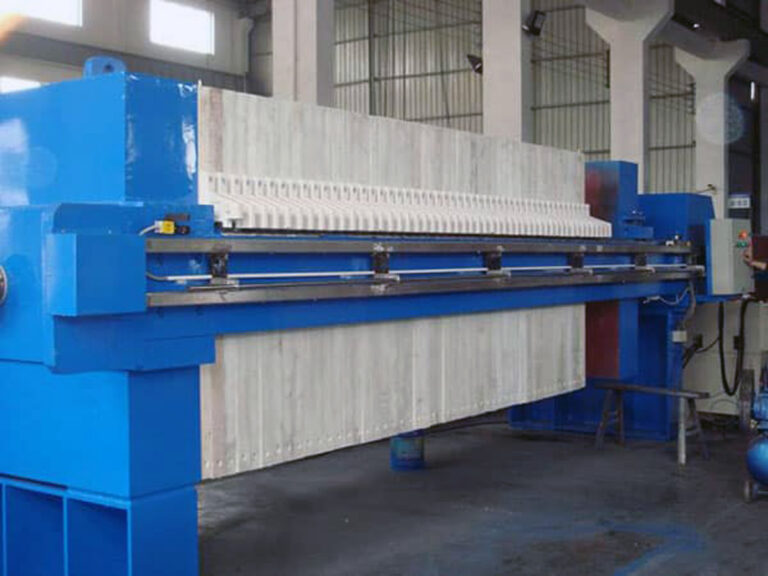
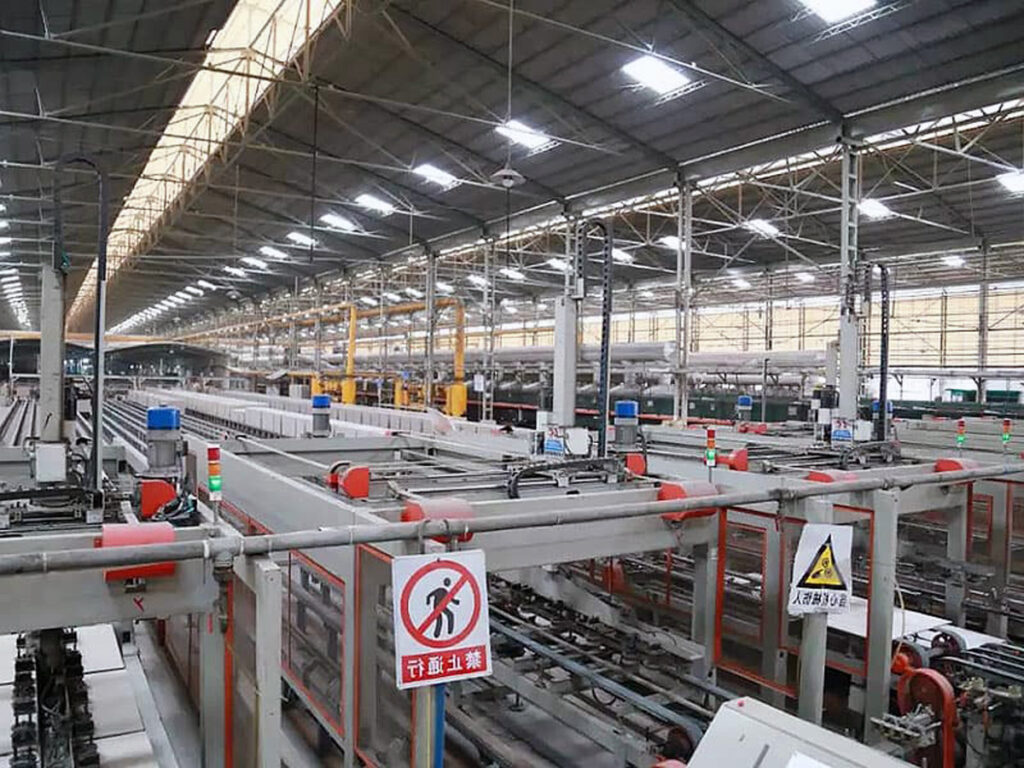
For industrial engineers and plant managers, the decision to upgrade solid-liquid separation technology is rarely straightforward. The pressure to reduce operational costs and meet stringent sustainability targets clashes with the reality of high capital expenditure and operational complexity. Misconceptions persist that all vacuum filters are created equal, or that the highest upfront cost guarantees the lowest total ownership. This guide cuts through the noise.
The calculus has shifted. Water scarcity regulations, escalating energy prices, and formal ESG reporting mandates are transforming filtration from a utility process into a strategic investment. Selecting the right technology now directly impacts license to operate, profitability, and competitive advantage. Understanding the full technical and economic profile of advanced systems like ceramic vacuum filters is no longer optional—it’s a core competency for responsible asset management.
How Ceramic Vacuum Filters Work: Core Principles
The Capillary Action Engine
The fundamental innovation lies in the microporous ceramic plate. Unlike traditional cloth media, these plates feature a dual-layer pore structure engineered to exploit capillary action. Water is naturally drawn into the material’s microscopic channels. This passive force is then augmented by an applied vacuum, typically between -0.09 to -0.098 MPa. The synergy creates a powerful yet energy-efficient driving force for separation, as the system doesn’t need to move large volumes of air through the cake. Industry experts note that overlooking this core physics is a common mistake when comparing energy consumption figures to conventional filters.
A Multi-Zone Mechanical Process
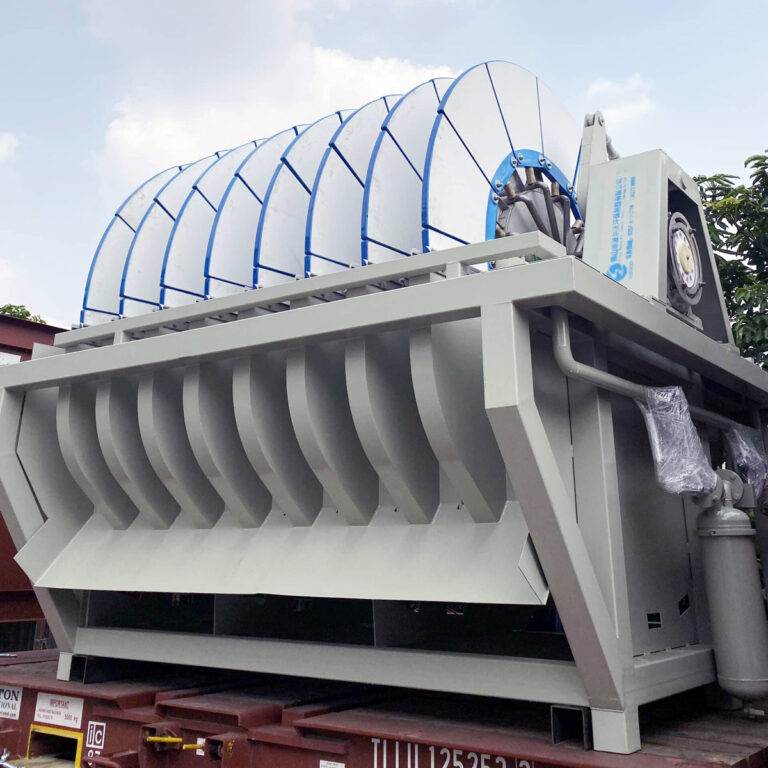
Operation occurs within a rotating disc or drum that cycles through distinct functional zones. The process begins with slurry immersion for cake formation, followed by optional spray washing. A vacuum drying zone then extracts residual moisture, achieving remarkably low cake moistures. Finally, a mechanical scraper discharges the solid cake. A critical, often under-emphasized phase is the backwashing zone, where the ceramic plate is regenerated. This disciplined cycle of separation and regeneration is what sustains high performance. We compared systems with and without rigorous backwash protocols and found plate longevity differed by years.
Material Science in Practice
The ceramic medium itself, typically an alumina-based composite, is selected for chemical inertness and mechanical durability. This material compatibility is crucial for handling abrasive mineral concentrates or corrosive chemical slurries. However, its brittleness requires careful handling during installation and maintenance—an easily overlooked detail that can lead to premature capital replacement. The design and manufacturing of these components are governed by specific technical standards, such as those outlined in GB/T 35053-2018 Ceramic vacuum filter, which defines requirements for the entire apparatus.
Key Advantages & Performance Specifications
Transformative Output Quality
The most immediate operational impact is seen in product dryness and water clarity. By achieving filter cake moisture consistently below 10%, downstream drying energy requirements are slashed. More strategically, the production of filtrate with solid content often under 50 ppm transforms process water from a waste stream into a high-quality reusable resource. This capability is the linchpin for implementing closed-loop water systems and advancing zero-liquid-discharge (ZLD) initiatives, directly addressing water stewardship goals.
Radical Operational Efficiency
The energy savings are not incremental but transformative. By leveraging capillary action, ceramic vacuum filters can reduce energy consumption by over 90% compared to traditional vacuum filters. This drastic cut in operational expenditure (OPEX) directly improves process economics. Furthermore, the equipment scales modularly from 1 m² to over 150 m² in filter area, offering a spatially efficient footprint. This modularity allows for phased investment and easier retrofitting into existing plant layouts, reducing implementation barriers.
Quantifying the Performance Edge
The table below summarizes the key performance metrics that define the technology’s advantage. These specifications are not theoretical but are validated by industry acceptance tests.
Core Performance Metrics
The following data, informed by industry standards like JB/T 14421-2023 Ceramic vacuum disc filter, quantifies the operational leap this technology represents.
| Métrica de desempenho | Faixa/especificação típica | Key Impact |
|---|---|---|
| Filter Cake Moisture | Below 10% | Reduces drying energy |
| Clareza do filtrado | Under 50 ppm solids | Enables water reuse |
| Consumo de energia | >90% reduction vs. conventional | Major OPEX saving |
| Filter Area (Modular) | 1 m² to 150+ m² | Scalable, space-efficient |
| Applied Vacuum | -0.09 to -0.098 MPa | Capillary-driven efficiency |
Fonte: JB/T 14421-2023 Ceramic vacuum disc filter. This standard defines key performance parameters, test methods, and acceptance criteria for disc-type ceramic vacuum filters, directly informing metrics like filtrate clarity and operational efficiency.
Critical Maintenance & Cleaning Protocols
The Non-Negotiable Regimen
Sustained performance is not automatic; it is managed through a disciplined, multi-method cleaning protocol. The ceramic plates are susceptible to pore clogging from fine particles or chemical scaling. A standard regimen combines physical backwashing with air or water at approximately 0.15 MPa, periodic chemical cleaning with mild acid or caustic solutions (~1% concentration), and adjunct ultrasonic cleaning. This triad addresses different fouling mechanisms. From my experience, plants that treat cleaning as a variable cost rather than a fixed operational necessity see performance degrade within months.
Understanding Cleaning Mechanics
Each method serves a distinct purpose. Physical backwashing dislodges loosely trapped particles. Chemical cleaning dissolves precipitated salts or organic residues. Ultrasonic cleaning, where transducers generate cavitation bubbles that implode on the plate surface, provides intense local scrubbing for deep pore penetration. The execution frequency and intensity of these methods must be tailored to the specific slurry chemistry. There is no universal schedule.
Lifecycle Cost Implications
This rigorous maintenance is the defining factor for operational reliability and plate longevity, which can extend for several years. Consequently, the total cost of ownership (TCO) model must account for the recurring costs of chemicals, energy for cleaning cycles, and associated labor. The dominant long-term cost driver shifts from process energy to maintenance execution and plate lifecycle management.
Maintenance Method Overview
The table below outlines the core cleaning methods essential for reliable operation.
| Método de limpeza | Key Parameter / Intensity | Objetivo principal |
|---|---|---|
| Physical Backwashing | ~0.15 MPa air/water pressure | Dislodge clogging particles |
| Chemical Cleaning | ~1% acid/caustic solution | Dissolve chemical scaling |
| Ultrasonic Cleaning | Cavitation bubble implosion | Deep pore scrubbing |
| Plate Longevity | Vários anos | With disciplined regimen |
Observação: Maintenance execution is the critical factor for reliability and total cost of ownership.
Fonte: Documentação técnica e especificações do setor.
Industrial Applications & Use Cases
Demanding Dewatering in Mining & Metallurgy
This technology is the standard for dewatering fine mineral concentrates like iron, copper, and zinc, as well as for tailings management. Its ability to handle abrasive particles and produce dry cakes reduces transportation costs and improves downstream smelter efficiency. The clear filtrate allows for immediate water recycling in the processing plant, a critical factor in remote or water-stressed mining regions.
Chemical, Environmental & Specialized Processing
In the chemical industry, the ceramic material’s corrosion resistance makes it suitable for separating catalysts, pigments, and salts. For environmental applications, such as municipal or industrial sludge dewatering, it achieves superior cake dryness, reducing disposal volumes and costs. The technology also finds use in coal processing, pharmaceuticals, and food processing where product recovery or exceptional filtrate clarity is paramount. Its proven biocompatibility in fields like biomedicine hints at potential for high-value, sensitive separations.
Matching Technology to Slurry Profile
Success hinges on application fit. The technology excels with fine, homogeneous slurries. It may require pre-screening for feeds with extremely coarse or long fibrous materials that could interfere with the discharge mechanism. A thorough pilot test using actual process slurry is non-negotiable to validate performance expectations for cake moisture, throughput, and filtrate quality before full-scale commitment. For operations seeking a reliable system for challenging separations, exploring specific ceramic vacuum filter equipment specifications is a logical next step.
Technical Limitations & Operational Considerations
The Capital Cost Hurdle
The primary barrier to adoption is high initial capital expenditure (CAPEX). The sophisticated ceramic plates represent a significant portion of this cost. While justified by operational savings, this upfront investment requires rigorous financial justification and often cross-departmental buy-in from engineering, operations, and finance teams. Budgeting must also include ancillary systems for automated cleaning and control.
Material Handling & Feed Requirements
The ceramic plates, though wear-resistant, are brittle. They can be damaged by impact or improper handling during installation or maintenance, necessitating strict operational protocols. Furthermore, the feed slurry may need conditioning or pre-screening to remove debris that could damage the discharge mechanism or prematurely clog the pores. This adds a layer of process control that must be designed into the overall system.
The Reliability-Governance Link
The technology’s performance is inherently tied to disciplined maintenance. Operational success depends less on daily operator intervention and more on the consistent execution of the cleaning regimen. This shifts the operational model from reactive fixing to proactive system governance. It requires trained personnel who understand the system’s logic and can monitor performance indicators to optimize cleaning cycles, making workforce upskilling a key implementation task.
Comparing Capital & Operational Costs (TCO)
Building a Complete Financial Model
A true evaluation moves beyond sticker price to a total cost of ownership (TCO) analysis over a 5-10 year horizon. The model must balance the high CAPEX against transformative operational savings. The dramatic reduction in energy consumption (>90%) and the significant cut in water intake/disposal fees (via reuse) create a powerful OPEX advantage. These savings directly improve EBITDA and support ESG reporting.
Identifying the Dominant Cost Driver
The long-term financial picture reveals a shift. For traditional filters, energy is often the largest recurring cost. For ceramic vacuum filters, with energy minimized, the dominant long-term cost driver becomes the plate lifecycle and the cleaning regimen. Therefore, the procurement strategy must evaluate the cost and reliability of the plate supply chain and the efficiency of the cleaning system. Vendor selection increasingly hinges on service packages and lifecycle support.
TCO Component Analysis
The following table breaks down the key cost components and their strategic implications, providing a framework for financial justification.
| Componente de custo | Ceramic Vacuum Filter Characteristic | Financial & Strategic Impact |
|---|---|---|
| Despesas de capital (CAPEX) | High (ceramic plates) | Significant initial investment |
| Energia operacional | >90% savings | Transformative OPEX reduction |
| Water Intake/Disposal | Major reduction via reuse | Cuts fees, supports ZLD |
| Dominant Long-term Cost | Plate lifecycle & cleaning | Shifts from energy to materials |
Fonte: Documentação técnica e especificações do setor.
Selecting the Right Filter: A Decision Framework
Foundational Data: Slurry & Performance Targets
Selection starts with rigorous slurry characterization: particle size distribution, pH, temperature, abrasiveness, and solids concentration. This data must be paired with clear performance targets for cake moisture and filtrate clarity. These parameters directly determine the required filter area and the compatibility of the ceramic material. Pilot testing is the only way to gather this application-specific data with confidence.
Aligning with Strategic Drivers
The decision must be explicitly linked to primary strategic drivers. Is the core goal to slash energy costs, to achieve water recycling mandates, to reduce maintenance labor, or to improve product quality for downstream processing? Answering this aligns the technical specification with business objectives, such as corporate sustainability targets. This strategic link is crucial for securing approval and ensuring the project delivers intended value.
Evaluating the Vendor Ecosystem
Vendor evaluation extends beyond equipment specs. Assess their domain expertise with your specific slurry chemistry, the robustness and user-friendliness of their automation and control systems, and their long-term technical support and plate supply chain reliability. The design of the overall system is critical, as outlined in standards like HG/T 20521-2014 Specification for design of ceramic vacuum filter system, which informs layout and integration principles.
Structured Selection Factors
The framework below organizes the critical decision factors, helping to systematically narrow options and align the investment with operational and strategic needs.
| Fator de decisão | Key Considerations / Data Points | Strategic Alignment |
|---|---|---|
| Slurry Characterization | Particle size, pH, abrasiveness | Matches material compatibility |
| Performance Target | Cake moisture, filtrate clarity | Defines product quality |
| Throughput Requirement | Calculates filter area | Sizes equipment capacity |
| Primary Strategic Driver | Energy, water, or labor savings | Links to sustainability/ESG |
| Vendor Evaluation | Expertise, automation, support | Ensures long-term reliability |
Fonte: HG/T 20521-2014 Specification for design of ceramic vacuum filter system. This standard provides the foundational design principles and calculation methods for system sizing and selection, directly supporting the structured decision framework.
Future Trends & Implementation Best Practices
Next-Generation Materials & Intelligence
Advancements will flow from adjacent high-tech fields. Material science innovations may yield ceramic composites with enhanced durability, narrower pore size distributions, or surface modifications for specific chemical resistance. Operational intelligence will grow through IoT sensor integration and AI-driven analytics, enabling predictive maintenance and optimizing cleaning cycles in real-time based on actual load, rather than fixed schedules. This evolution, reflected in updates to equipment standards like JB/T 4333.2-2021 Rotary vacuum filter – Part 2: Ceramic filter, will further improve reliability and TCO.
The Critical Path to Successful Implementation
Best practices begin with a comprehensive pilot test using representative slurry over an extended period. Use this data to finalize design and, crucially, to establish the baseline cleaning protocol and spare parts inventory. Training is paramount; personnel must transition from manual operators to system overseers, skilled in monitoring performance data and executing advanced troubleshooting. Secure cross-departmental commitment early by framing the investment in terms of both financial ROI (energy/water savings) and its value in achieving formal ESG targets.
The decision to implement ceramic vacuum filtration hinges on a clear-eyed analysis of total cost of ownership against strategic operational and sustainability goals. Prioritize slurry characterization through pilot testing, design maintenance protocols upfront, and select a vendor partner based on lifecycle support, not just initial cost. This technology represents a shift from a consumable-intensive process to a capital-intensive, governance-focused asset.
Need professional guidance to model the TCO for your specific application or to design a pilot test program? The engineering team at PORVOO specializes in translating these technical advantages into validated operational plans. Entre em contato conosco to discuss your solid-liquid separation challenges.
Perguntas frequentes
Q: How do ceramic vacuum filters achieve such low energy consumption compared to traditional cloth filters?
A: Their energy efficiency stems from a capillary-driven mechanism within the microporous ceramic plate, which significantly reduces the power needed to generate vacuum. This principle allows operation at a typical vacuum range of -0.09 to -0.098 MPa, cutting energy use by over 90% versus conventional filters that require continuous air displacement. This means facilities targeting aggressive energy reduction (ESG) goals should prioritize this technology in their total cost of ownership analysis.
Q: What are the critical maintenance protocols for sustaining ceramic filter plate performance?
A: Sustained operation requires a disciplined, multi-method cleaning regimen to prevent pore clogging. This combines physical backwashing with air or water at ~0.15 MPa, periodic chemical cleaning using low-concentration acid or caustic solutions, and adjunct ultrasonic cleaning for intense local scrubbing. For projects where operational reliability is paramount, plan for the recurring costs of chemicals, energy for cleaning cycles, and associated labor as a dominant long-term cost driver.
Q: Which technical standards should we reference when specifying or designing a ceramic vacuum filter system?
R: Os principais padrões incluem JB/T 14421-2023 for disc-type filter technical parameters and HG/T 20521-2014 for the comprehensive design of the entire filtration system. These documents provide targeted specifications and engineering principles for equipment and integration. This means engineering teams must evaluate vendors on their adherence to these standards and their domain expertise for your specific application chemistry.
Q: How should we evaluate the total cost of ownership for a ceramic vacuum filter given the high upfront cost?
A: A true TCO analysis balances the significant capital expenditure for ceramic plates against transformative operational savings, including over 90% lower energy costs and reduced water intake from high-purity filtrate reuse. The model must also incorporate planned costs for the structured cleaning regimen and eventual plate replacement. If your operation’s strategic drivers are long-term utility savings and water conservation, the high initial investment is typically justified by the operational payback.
Q: What are the primary technical limitations or risks when implementing ceramic vacuum filters?
A: The main considerations are high initial capital cost and the brittle nature of the ceramic plates, which require careful handling to avoid impact damage. Feed slurry may also need pre-screening to remove coarse or fibrous materials that could harm discharge mechanisms. This means facilities with inconsistent maintenance execution or uncontrolled feed stock should address these operational protocols upfront to protect their investment and ensure plate longevity.
Q: What framework should we use to select the right ceramic vacuum filter for our application?
A: Use a structured decision framework that first characterizes your slurry’s particle size, pH, and abrasiveness, then calculates required filter area based on throughput. Crucially, align the investment with strategic drivers like energy savings, water reuse, or product quality, which links directly to corporate sustainability mandates. This means you should evaluate vendors on their application-specific engineering, automation robustness, and long-term technical support, not just base equipment specifications.
Q: How does the filtrate quality from a ceramic filter support environmental and operational goals?
A: The microporous ceramic medium produces exceptionally clear filtrate, often with solid content below 50 ppm, transforming process water into a reusable resource. This high filtration precision directly enables closed-loop water systems and supports zero-liquid-discharge initiatives. For operations in water-scarce regions or those facing stringent wastewater disposal regulations, this capability is a critical operational advantage that reduces both freshwater intake and discharge fees.