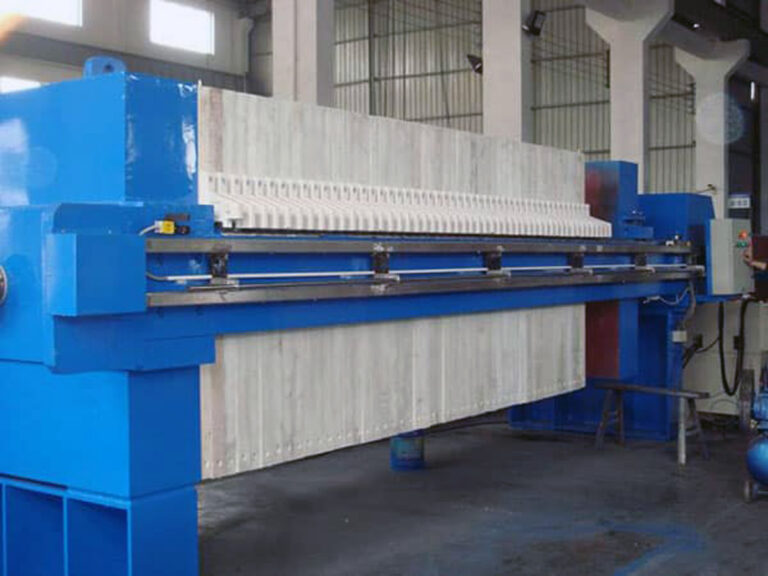
For sludge treatment professionals, achieving target cake dryness is a persistent operational and financial challenge. The pressure zone configuration of a belt filter press is the decisive mechanical stage where this battle is won or lost. Misconceptions persist that higher pressure alone guarantees drier cake, overlooking the nuanced interplay of roller design, residence time, and integration with preceding zones.
Optimizing this configuration is critical now due to escalating disposal costs and tightening environmental regulations. A strategically designed pressure zone directly translates to lower haulage volumes, reduced polymer consumption, and compliance with stricter landfill or incineration standards. This makes its selection a core capital decision with long-term operational implications.
How Does Pressure Zone Configuration Affect Cake Dryness?
The Physics of Mechanical Dewatering
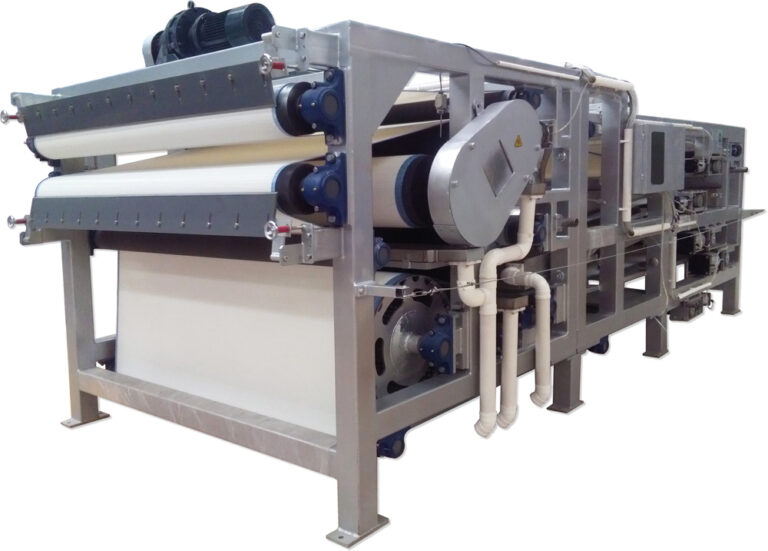
Final solids content is dictated by the controlled application of force within the pressure zone. This is not mere compression; it is a process of guiding filter belts through a serpentine path of rollers with progressively smaller diameters. This design creates an increasing pressure profile, maximizing water removal without causing destructive solids extrusion. The total applied force is a function of belt tension multiplied by the angle of wrap around each roller. A greater wrap angle increases both contact time and applied mechanical force, which is essential for liberating water from the sludge matrix.
The Critical Role of Residence Time
An extended pressure zone, featuring more rollers—typically 8 to 15—provides longer residence time under pressure. This duration is as critical as the pressure intensity itself. Industry experts consistently link a higher roller count directly to achievable cake solids percentages. This relationship forms a primary technical lever: selecting a press with a more extensive pressure zone is a capital investment trade-off against long-term disposal savings from drier cake. In our analysis of system upgrades, extending the pressure zone often delivered a more reliable dryness increase than simply maximizing belt tension on a shorter train.
Quantifying the Configuration Impact
The direct correlation between design parameters and output dryness must be grounded in measurable specifications. The following table summarizes the key relationships that engineers must evaluate when specifying or optimizing a pressure zone.
| Parâmetro de projeto | Faixa/especificação típica | Impact on Dryness |
|---|---|---|
| Number of Rollers | 8 to 15 rollers | Directly increases final solids |
| Roller Diameter Sequence | Large to small progression | Creates increasing pressure profile |
| Total Pressure | Belt tension x wrap angle | Maximizes water removal |
| Tempo de residência | Extended pressure zone length | Essential for higher dryness |
Fonte: Documentação técnica e especificações do setor.
Key Design Principles for Optimized Roller Trains
The Foundation: The Initial Dewatering Drum
Optimized roller train design begins with the first high-pressure component. This is typically a large-diameter (750mm-900mm) perforated, self-bailing dewatering drum. Its primary function is rapid, high-volume filtrate removal. A critical, often overlooked detail is its self-bailing interior. This feature acts as an essential anti-rewetting control point by actively draining water from inside the drum, preventing reabsorption into the cake. Failure to maintain this drum’s perforations clear can significantly undermine overall dryness.
The Progressive Pressure Train
Following the initial drum, a train of progressively smaller-diameter rollers systematically increases nip pressure. This configuration applies not only direct compression but also induces beneficial shear forces as the cake bends around each roller. This shear action helps disrupt the sludge matrix and release trapped, bound water. This focus on engineered “pressure/shear zones” represents a shift toward more sophisticated mechanical dewatering physics, where roller profile engineering becomes a core competitive differentiator for equipment manufacturers.
Component Function and Integration
Each component in the roller train has a defined mechanical purpose that contributes to the overall pressure profile. The specifications below outline the primary function of key elements, highlighting how their design translates into dewatering performance.
| Componente | Specification / Feature | Função principal |
|---|---|---|
| Initial Dewatering Drum | 750mm-900mm diameter, perforated | Rapid high-volume filtrate removal |
| Drum Design | Self-bailing interior | Critical anti-rewetting control |
| Roller Train | Progressively smaller diameters | Increases nip pressure intensity |
| Applied Forces | Pressure and induced shear | Releases trapped, bound water |
Fonte: Documentação técnica e especificações do setor.
Pressure Zone vs. Wedge Zone: Integration for Performance
Defining the Wedge Zone’s Role
Peak dewatering requires seamless integration between the wedge zone and the pressure zone. The wedge zone, where the two filter belts converge, applies gradually increasing pressure to consolidate the sludge. Its key functions are to prepare the sludge cake for high-pressure application and to seal the cake edges to prevent side leakage. An effectively sealed cake entering the pressure zone ensures that applied force is used for dewatering, not for containing spillage.
The Need for Operational Adjustability
An adjustable wedge zone is crucial for operational agility. It allows operators to fine-tune the initial compression gap in real-time based on sludge consistency and feed rate. This adjustability maintains peak efficiency across variable feed conditions. The effectiveness of the entire pressure stage is heavily dependent on receiving a uniform, properly thickened cake from the wedge zone. This cake must be capable of withstanding subsequent high forces without extruding through the belt, which would cause blinding and failure.
Evaluating Capital and Operational Cost Considerations
Indo além do preço de compra
A comprehensive cost analysis must encompass total lifecycle expenses. The pressure zone is the primary driver of operational energy consumption, with costs directly tied to belt tension requirements and drive system efficiency. Focusing solely on a lower initial capital cost often leads to higher long-term operating expenses from increased energy use, polymer consumption, and maintenance.
The Value of Automation and Service Models
Advanced automation packages that integrate polymer feed control, real-time diagnostics, and DCS interfacing fundamentally shift labor requirements. They move personnel from constant manual adjustment to system monitoring, reducing operational costs and improving consistency. Furthermore, the vendor ecosystem is consolidating around full lifecycle service models. These include pilot testing, rental fleets for demand fluctuations, and comprehensive long-term support agreements. This evolution shifts the key purchase criterion from initial capital cost to total lifecycle cost and risk mitigation, favoring suppliers who act as dewatering partners.
A Framework for Cost Analysis
To make a financially sound decision, engineers must evaluate cost drivers across categories. The table below breaks down the key considerations and their strategic implications for procurement and operation.
| Categoria de custo | Key Drivers / Components | Implicações estratégicas |
|---|---|---|
| Energia operacional | Belt tension, drive efficiency | Primary ongoing cost driver |
| Advanced Automation | Polymer feed, diagnostics, DCS | Shifts labor to monitoring |
| Vendor Service Model | Pilot testing, rental fleets, support | Mitigates lifecycle risk |
| Purchase Criterion | Total lifecycle cost | Overrides initial capital cost |
Fonte: Documentação técnica e especificações do setor.
Which Roller Design is Best for Your Sludge Type?
Matching Configuration to Sludge Characteristics
Selecting the optimal roller configuration is not a one-size-fits-all decision; it must be matched to specific sludge characteristics. For dilute, poorly draining sludges (e.g., under 1.5% solids), a standard pressure zone will be overwhelmed. In these cases, an independent three-belt gravity zone acts as an integrated thickener, ensuring only adequately consolidated sludge reaches the pressure zone. This configuration, while requiring more footprint and capital, is essential for effective treatment of challenging feeds.
Standardized vs. Configurable Philosophies
For more predictable, consistent feeds, a standard or extended gravity zone paired with a robust pressure train may suffice. The market reflects this strategic trade-off. It is segmented between cost-sensitive, standardized presses for common applications and highly configurable models designed for variable or challenging sludge types. The choice hinges on the cost of misalignment: selecting a standardized press for a highly variable waste stream leads to chronic performance issues and higher operational costs.
A Guide for Sludge-Specific Selection
The decision must be grounded in a clear understanding of the feed material. The following framework provides a starting point for matching sludge properties to the appropriate mechanical pre-treatment and pressure zone design.
| Característica do lodo | Recommended Configuration | Justificativa |
|---|---|---|
| Dilute, poorly draining (<1.5% solids) | Independent three-belt gravity zone | Integrated thickening pre-treatment |
| Predictable, consistent feed | Standard/extended gravity zone | Cost-effective for known feeds |
| High dryness requirement | Extended pressure train (more rollers) | Longer residence under pressure |
| Variable or challenging feed | Highly configurable press model | Application-specific performance |
Fonte: Documentação técnica e especificações do setor.
Maintaining Optimal Performance: Belt and Roller Care
The Imperative of Consistent Tension
Sustained performance hinges on disciplined maintenance, starting with consistent, appropriate belt tension. Tension must generate the required pressure without accelerating wear on belts, rollers, and bearings. Automated, synchronized tensioning systems are not a luxury; they are essential for applying uniform pressure across the belt width and maintaining stability. Manual systems often lead to uneven pressure, tracking problems, and premature failure.
Prerequisites: Conditioning and Alignment
Proper chemical conditioning is a non-negotiable operational prerequisite. A well-flocculated sludge forms a permeable matrix that can release water under pressure without blinding the filter cloth. No mechanical system can compensate for poor flocculation. Simultaneously, roller surfaces and alignment must be meticulously maintained. The first perforated drum must be kept clear to ensure its self-bailing function. All rollers must be precisely aligned and bearings protected from contamination to prevent belt tracking issues that cause uneven wear and pressure application.
Advanced Techniques for Troubleshooting Common Issues
Diagnosing Pressure Zone Failures
Effective troubleshooting targets specific failure modes. Cake rewetting is often traced to a malfunctioning first perforated drum (clogged or non-bailing) or improper roller alignment. Side leakage typically indicates a failure in the adjustable wedge zone to seal the cake edges or an incorrect sludge feed distribution across the belt width. Belt tracking problems, which undermine pressure uniformity, usually stem from bearing failure, misalignment, or contaminated tracking sensor guides.
The Modular Upgrade Path
A strategic response to chronic dryness shortcomings is to consider modularity. Some press designs allow for field expansion of the pressure zone, for example, adding rollers to extend from an 8-roller to an 11-roller configuration. This upgrade path can directly address performance gaps caused by changing sludge characteristics or stricter disposal regulations without requiring a complete machine replacement. It represents a valuable form of future-proofing for a capital asset.
Selecting the Right Configuration: A Decision Framework
A Stepwise Strategic Approach
A strategic decision framework balances technical requirements with lifecycle economics. The process begins with rigorous sludge characterization—understanding type, variability, and target cake dryness. This data defines the necessary pressure zone length and determines if specialized pre-treatment like a three-belt gravity zone is required. The second step evaluates the need for operational flexibility against budget constraints, choosing between standardized and configurable press philosophies.
Incorporating Future-Proofing and TCO
The third step considers future needs. Does the design offer modularity for post-installation upgrades to address changing regulations or process conditions? The fourth step is a rigorous total cost of ownership (TCO) analysis, factoring in automation-driven labor savings, energy consumption, and the value of comprehensive vendor service models. This TCO perspective often reveals the true economic efficiency of a higher-specification initial investment.
Executing the Decision Process
To navigate this complex evaluation, a structured decision framework is essential. The table below outlines the key steps, criteria, and intended outcomes to guide the selection process from initial assessment to final specification.
| Etapa de decisão | Key Criteria / Data Points | Outcome / Choice |
|---|---|---|
| 1. Sludge Characterization | Type, variability, target dryness | Defines pressure zone length |
| 2. Flexibility vs. Cost | Standardized vs. configurable press | Philosophy and budget alignment |
| 3. Future-Proofing | Modular pressure zone upgradeability | Addresses changing regulations |
| 4. Total Cost of Ownership | Automation savings, service models | True economic efficiency |
Fonte: Documentação técnica e especificações do setor.
The optimal belt filter press configuration is defined by a sludge-specific pressure zone design, integrated with a precisely tuned wedge zone. Prioritize designs that incorporate controlled shear and active anti-rewetting features, as these translate mechanical innovation into sustained dryness. The final selection must align with a total lifecycle cost model, where automation and vendor partnership mitigate long-term operational risk.
Need professional guidance to specify the right belt filter press configuration for your facility’s unique sludge profile and dryness targets? The engineering team at PORVOO can provide application-specific analysis and technical support to ensure your capital investment delivers optimal dewatering performance and cost efficiency. For a detailed review of your requirements, you can also Entre em contato conosco.
Perguntas frequentes
Q: How does the number of rollers in the pressure zone directly impact final cake dryness?
A: More rollers in the pressure zone create a longer serpentine path, which increases the total residence time the sludge cake spends under mechanical pressure. This extended compression period, combined with the progressive force from decreasing roller diameters, systematically removes more water. This means facilities targeting the highest possible solids content for disposal savings should prioritize presses with extended roller trains (e.g., 8-15 rollers) as a key capital investment criterion.
Q: What is the function of the first large-diameter, perforated drum in the roller train?
A: The initial large drum (750mm-900mm) serves two critical functions: it rapidly removes a high volume of free water and acts as an anti-rewetting control point. Its perforated design allows it to actively drain filtrate from its interior, preventing removed water from being re-absorbed by the cake. For operations struggling with cake rewetting, verifying this drum’s cleanliness and drainage function should be the first troubleshooting step.
Q: When should a belt press include an independent three-belt gravity zone?
A: An independent three-belt gravity zone is necessary when processing dilute, poorly draining sludges with solids content typically below 1.5%. This configuration acts as an integrated thickener, ensuring only adequately consolidated material enters the high-pressure section. This means plants with highly variable or weak feed sludge must plan for the increased footprint and capital cost of this design to protect downstream pressure zone performance.
Q: How does advanced automation affect the operational cost of a belt filter press?
A: Automation packages that integrate polymer dosing, diagnostics, and direct control system (DCS) interfacing significantly reduce manual labor requirements. Operators shift from constant manual adjustment to system monitoring, which improves process consistency and lowers long-term operational expenses. For projects where labor cost or consistency is a primary concern, investing in higher-level automation often provides a faster return than selecting a press based on initial purchase price alone.
Q: Can you upgrade a belt press’s pressure zone after installation to improve dryness?
A: Yes, some manufacturers offer modular pressure zone designs that allow for field expansion, such as adding rollers to extend the compression train. This capability directly addresses chronic dryness shortcomings or new regulatory disposal targets. If your sludge characteristics or disposal costs are likely to change, selecting a press with this modular upgrade path provides critical future-proofing without requiring a complete machine replacement.
Q: What is the key maintenance focus for sustaining pressure zone performance?
A: Sustained performance hinges on disciplined care of belts and rollers, centered on maintaining consistent, automated belt tension and precise roller alignment. Proper chemical conditioning is also a non-negotiable prerequisite, as it creates a permeable cake matrix. This means operations must budget for and execute a rigorous preventive maintenance schedule on these components to protect the capital investment in the press’s mechanical design.