In high-volume industrial dewatering, cycle time is the primary constraint on throughput and profitability. The choice between filter press types directly dictates this operational tempo, yet many specifications focus on filtration rate alone. This narrow view overlooks the total cycle—filling, compression, cake release, and closing—where the most significant bottlenecks hide.
Optimizing this entire sequence is now a strategic imperative. As production volumes increase and waste disposal costs rise, the ability to process more solids in less time transforms from a convenience to a core competitive advantage. The right press configuration, matched to your specific slurry, unlocks this efficiency.
Recessed Chamber vs. Membrane Filter Presses: Core Differences
Defining the Dewatering Mechanism
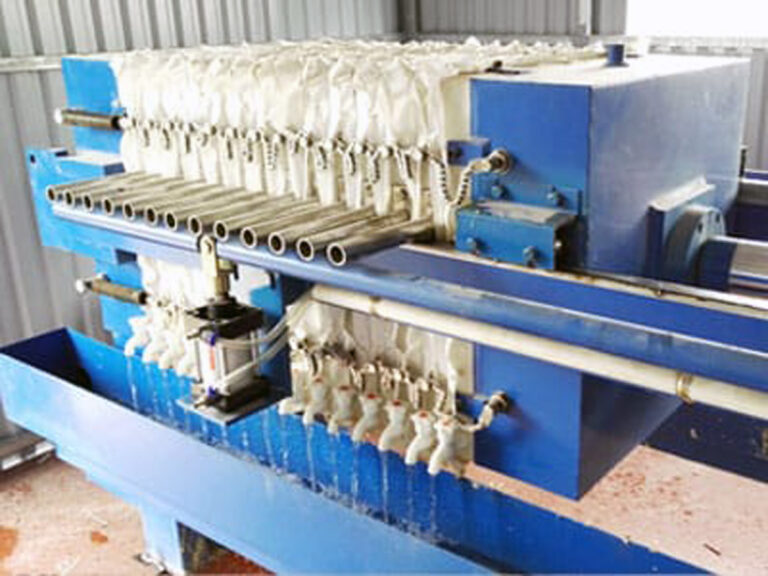
The core architectural difference lies in the dewatering process. Recessed chamber presses operate on a single-phase principle: slurry is pumped into fixed-volume chambers, and pressure alone forces liquid through the filter cloth. Cake formation and dryness depend entirely on pump pressure and time. Membrane plate presses introduce a decisive second phase. After initial filtration, an inflatable diaphragm behind the filter cloth mechanically compresses the cake. This two-stage approach—hydraulic pressure followed by mechanical squeeze—often achieves target dryness faster than extended pumping.
Impact on Cycle Structure and Speed
This hardware distinction creates divergent cycle structures. For a recessed chamber press, the slowest phase is typically the extended filtration period needed to reach dryness. Membrane presses attack this bottleneck directly. The secondary compression phase actively accelerates dewatering, potentially shortening the most time-consuming segment of the cycle. Industry experts recommend evaluating which phase is the slowest in your process; if it’s dewatering, the membrane’s design directly targets that lever.
A Comparative Framework for Selection
Selecting between these designs requires mapping their characteristics against your slurry’s behavior. The following table clarifies the operational distinctions that inform this critical choice.
| Feature | Recessed Chamber Press | Membrane Plate Press |
|---|---|---|
| Dewatering Mechanism | Pump pressure only | Pump + mechanical squeeze |
| Cycle Structure | Single-phase filtration | Two-phase: filtration + compression |
| Key Speed Lever | Extended pump pressure | Secondary diaphragm inflation |
| Typical Cake Dryness | Slower achievement | Faster achievement |
| Hardware Target | Filtration & cake formation | Active dewatering phase acceleration |
Source: Technical documentation and industry specifications.
Which Filter Press Type Offers the Fastest Cycle Time?
The Synergy of Membrane Plates and Overhead Beams
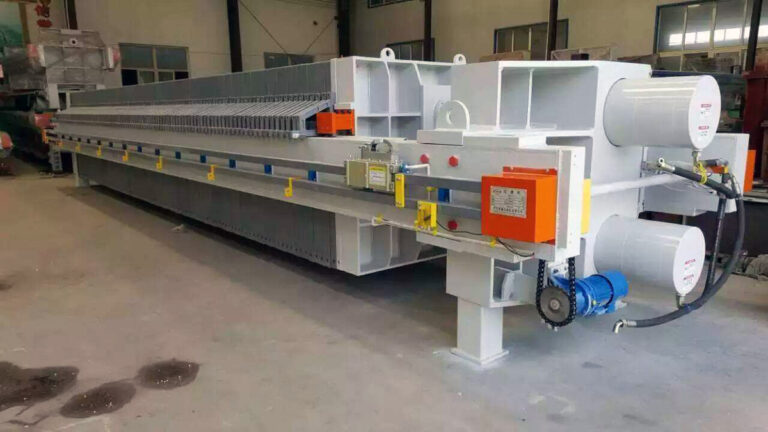
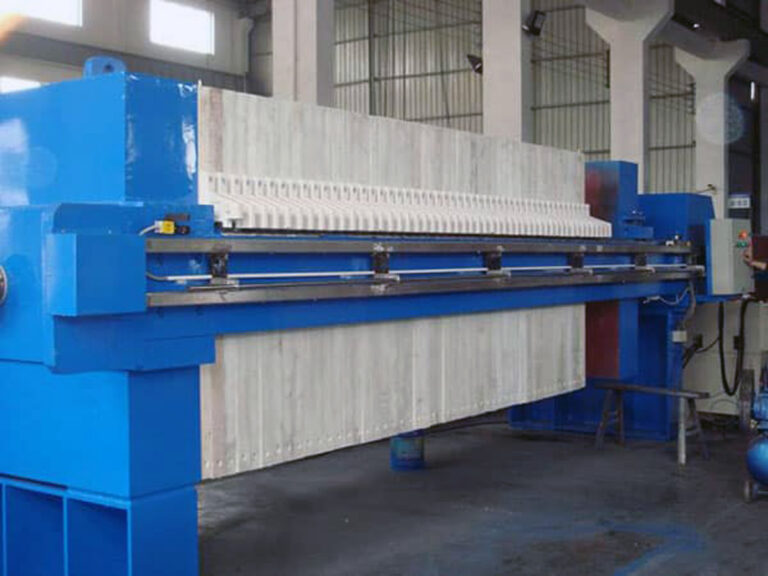
For maximum cycle speed, the configuration is clear: a fully automatic overhead beam filter press with membrane plates. The membrane plates optimize the dewatering phase, while the overhead beam design enables rapid, simultaneous plate separation—directly addressing the cake discharge bottleneck. This synergy ensures that no single phase disproportionately slows the entire sequence. In our analysis of high-volume installations, this configuration consistently delivered the shortest total cycle times.
The Critical Metric: Validated Total Cycle Time
The emerging key purchasing metric is the total validated cycle time, not just filtration rate. This encompasses feed, filtration, compression, cake release, and press closing. Buyers must demand application-specific data for this full sequence from vendors. A press with a fast filtration rate but a slow, manual plate shifting operation will lose overall throughput. The fastest system minimizes delays between all phases through integrated automation.
Configuration Components for Peak Performance
Speed is a result of component synergy. Each element contributes to reducing a specific segment of downtime, as outlined below.
| Configuration Component | Fastest Option | Key Impact on Cycle |
|---|---|---|
| Plate Design | Membrane plates | Optimizes dewatering time |
| Frame Design | Overhead beam | Rapid, simultaneous plate separation |
| Control System | Full PLC automation | Minimizes delays between phases |
| Primary Metric | Total validated cycle time | Key purchasing metric |
| Data Requirement | Application-specific entire cycle | Not just filtration rate |
Source: Technical documentation and industry specifications.
Cost Comparison: Capital Investment vs. Operational Efficiency
Analyzing the Total Cost of Ownership
The decision between press types is fundamentally a financial model comparing capital expenditure (CAPEX) against operational expenditure (OPEX). Automated membrane presses command a higher upfront investment. This premium, however, purchases reduced cycle times, which directly increases daily throughput and lowers the cost per unit of dry solids processed. The operational efficiency gain often justifies the capital premium within a predictable ROI period.
The Hidden Value of System Integration
A well-optimized, fast-cycle system unlocks value beyond dewatering. Reduced cycle times can enable closed-loop water reuse, cutting freshwater intake costs. Drier cake reduces weight and volume, slashing waste hauling fees. These secondary benefits expand the ROI calculation. Partnering with an integrated solution provider like PORVOO ensures all components—from feed pumps to cloth wash systems—are synchronized. This avoids the hidden costs and performance ceilings of pieced-together subsystems.
Mapping Cost Factors to Operational Impact
The financial analysis must move beyond the invoice price. The following table breaks down how cost factors translate into long-term operational impact.
| Cost Factor | Automated Membrane Press | Operational Impact |
|---|---|---|
| Upfront Capital | Premium investment | Higher initial cost |
| Throughput | Increased daily capacity | Lower cost per unit |
| Labor Model | Analytical oversight | Reduced manual staffing costs |
| System ROI | Beyond dewatering savings | Water reuse, reduced hauling fees |
| Integration Need | Synchronized solution provider | Avoids hidden subsystem costs |
Source: Technical documentation and industry specifications.
Performance Analysis for High-Volume Industrial Applications
Consistency as the Cornerstone of Performance
In high-volume contexts, performance is measured by consistent, repeatable throughput over thousands of cycles. The fully automatic membrane press excels here by providing shorter, predictable cycles. However, sustained performance depends on treating the filter cloth as the primary process variable. Its material, weave, and surface finish directly control filtration speed, cake release characteristics, and cloth life. Neglecting cloth specification is a common, costly oversight.
The Role of Data in Predictive Optimization
Peak efficiency requires a shift from reactive to predictive maintenance. Data monitoring of feed pressure, filtrate clarity, and cycle time provides a continuous feedback loop. This allows for fine-tuning based on real-time slurry characteristics, which is essential for demanding, continuous operations. Operators transition from manual controllers to data analysts, spotting trends that indicate cloth blinding or pump wear before they cause downtime.
Optimizing the Feed & Filtration Phase for Speed
Precision Slurry Conditioning
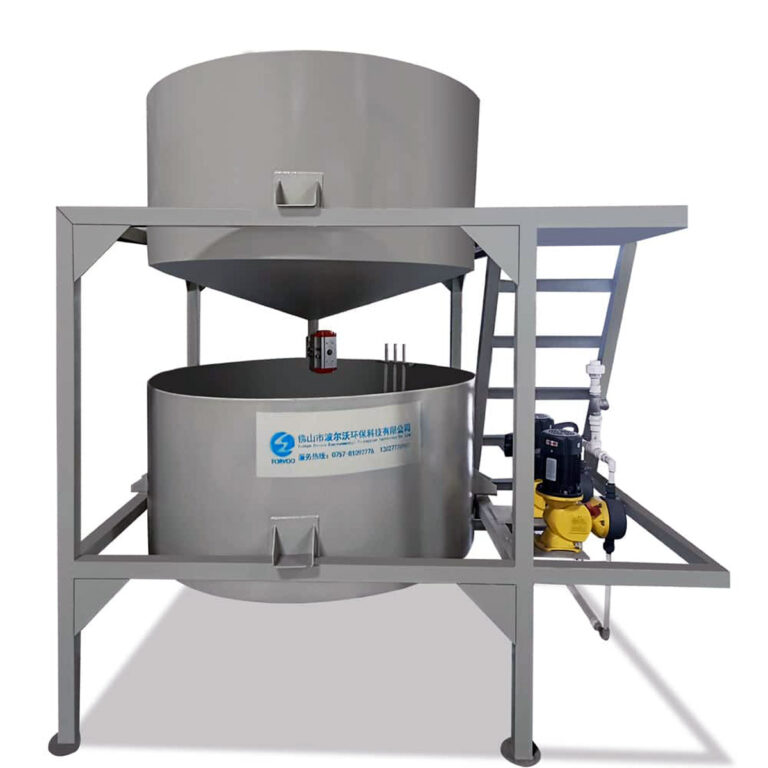
The cycle’s initial phase sets the pace. Optimization starts with slurry conditioning using coagulants or flocculants—a precision balancing act. Correct polymer dosage and mixing create a permeable cake structure for faster filtration; incorrect dosing can blind cloths or compromise filtrate quality. Jar testing is non-negotiable for defining this chemistry. We’ve observed that investing in precise dosing systems pays dividends in consistent cycle times.
Technical Acceleration of the Fill Phase
Hardware choices directly accelerate filling. Variable Frequency Drive (VFD)-controlled feed pumps allow for high-volume filling without shocking the system. Uniform fill manifolds ensure even chamber distribution, preventing some chambers from finishing early while others lag. Maintaining optimal pressure via automated controls prevents slowdowns and protects the filter cloth from damage. These strategies target the foundational phases for the most impactful time savings.
Automated vs. Manual Systems: Impact on Throughput & Staffing
Eliminating the Cake Release Bottleneck
Automation’s most significant impact is on the non-productive phases of the cycle. In manual or semi-automatic presses, cake release becomes a major bottleneck, involving inconsistent, lengthy downtime for plate shifting and cleaning. Fully automatic systems with plate shifters and programmed cleaning cycles execute these tasks in minutes. This dramatically increases batch capacity by maximizing press uptime.
Transforming the Workforce Model
This automation fundamentally reshapes staffing. It deskills repetitive, manual tasks while upskilling the workforce toward data literacy and exception-based management. The operator’s role evolves from physical labor to analytical oversight, monitoring system performance and intervening only for anomalies. The strategic implication is clear: for high-volume goals, investment must prioritize automation of material handling and cleaning subsystems, where the largest cycle time gains are found.
A Direct Comparison of System Impacts
The choice between automation levels has quantifiable effects on throughput and operational models, as detailed here.
| System Type | Cake Release Bottleneck | Staffing & Skill Impact |
|---|---|---|
| Manual / Semi-Auto | Inconsistent, lengthy downtime | Manual control bottleneck |
| Fully Automatic | Minutes with plate shifters | Deskills manual tasks |
| Throughput Result | Limited batch capacity | Dramatically increased capacity |
| Workforce Evolution | N/A | Data literacy & exception management |
| Strategic Investment | N/A | Automate material handling/cleaning |
Source: Technical documentation and industry specifications.
Key Selection Criteria for Your Specific Slurry & Facility
Application-Driven Specification
Selection must be driven by application-specific needs, not generic catalog specs. The trend toward industry-optimized press designs means buyers should seek vendors with proven expertise in their slurry type—be it mining tailings, chemical precipitate, or food processing waste. This application knowledge is critical for maximizing performance and avoiding costly mismatches.
Mapping Features to Process Pain Points
Key technical criteria form a selection matrix. The slurry’s particle size distribution and compressibility dictate whether membrane or recessed plates are suitable. Required cake dryness sets the performance bar. Available floor space and ceiling height influence the choice between side-bar and overhead beam frame designs. The goal is to map press features directly against your process’s identified slowest phases for targeted improvement.
Implementing Your Fast-Cycle Filter Press System
Treating the Press as an Integrated Ecosystem
Successful implementation treats the filter press as the heart of a synchronized dewatering system. Start with comprehensive jar testing to define optimal slurry chemistry and cloth specifications. The installation must integrate robust, correctly sized feed pumps, conditioning systems, and PLC controls designed for seamless interaction. Emphasize training that develops analytical and preventive maintenance skills in operators from day one.
Capturing Strategic Value with Data
Finally, implement sensors and data historization from commissioning. This enables predictive optimization and captures the full strategic value—from consistent product quality and resource recovery to reliable compliance reporting. A high-performance membrane filter press system is not just a piece of equipment; it’s a data-generating asset that drives continuous operational improvement.
The fastest cycle time results from a system engineered for your specific slurry, not an off-the-shelf unit. Prioritize total validated cycle time over filtration rate alone, and invest in automation that targets your biggest bottlenecks, typically cake discharge and cleaning. Ensure your vendor provides deep application expertise, not just equipment, to guarantee all subsystems are synchronized for peak throughput.
Need a professional analysis to identify the optimal filter press configuration for your high-volume application? The engineering team at PORVOO specializes in designing integrated dewatering solutions that maximize throughput and ROI. Contact us to discuss your slurry characteristics and production goals.
Frequently Asked Questions
Q: Which filter press configuration delivers the fastest total cycle time for high-volume processing?
A: A fully automatic overhead beam filter press with membrane plates provides the shortest total cycle. The membrane plates accelerate dewatering with a secondary mechanical squeeze, while the overhead beam design enables rapid plate separation to minimize discharge delays. This means facilities prioritizing maximum daily throughput should evaluate vendors based on validated, application-specific data for the complete cycle, not just the filtration rate.
Q: How does automation impact staffing and throughput compared to manual filter presses?
A: Full automation with PLCs and plate shifters drastically reduces non-productive time during cake release, turning a manual bottleneck into a minutes-long process. This shift increases batch capacity and transforms the operator role from manual control to analytical oversight and exception management. For high-volume goals, your investment must prioritize automating material handling and cleaning subsystems to capture the largest cycle time gains.
Q: What are the key operational trade-offs between recessed chamber and membrane plate presses?
A: Recessed chamber presses use only pump pressure for dewatering, while membrane plates add a high-pressure mechanical squeeze step after initial filtration. This allows membrane presses to achieve target cake dryness faster, shortening the active dewatering phase but at a higher capital cost. This means operations with highly compressible slurries requiring very dry cake should evaluate the membrane’s faster cycle against the recessed chamber’s simpler, lower-cost design.
Q: Beyond the press itself, what is critical for optimizing the feed and filtration phase speed?
A: Optimizing the initial phase requires precise slurry conditioning with coagulants or flocculants and using VFD-controlled feed pumps for rapid, uniform chamber filling. Incorrect chemical dosing can harm filtrate quality, while automated pressure controls prevent slowdowns and cloth damage. If your slurry characteristics vary, plan to integrate data monitoring from day one to enable continuous fine-tuning of these parameters for sustained peak efficiency.
Q: How should we select a filter press vendor for a specific industrial slurry?
A: Selection must prioritize vendors with proven expertise in your specific industry and slurry type, as particle size and compressibility dictate the optimal plate design. Evaluate their ability to map press features against the slowest phases of your unique process, not just generic equipment specifications. This means buyers in specialized sectors like mining or chemical processing should treat a supplier’s application knowledge as a critical selection criterion to avoid performance limits.
Q: What is the strategic approach to implementing a high-performance, fast-cycle filter press system?
A: Treat the press as the heart of a synchronized system, starting with comprehensive jar testing to define optimal cloth specifications and slurry chemistry. The installation must integrate robust, matched feed pumps, conditioning systems, and controls designed for seamless interaction. For projects aiming for closed-loop benefits like water reuse, you should emphasize operator training in data literacy and predictive maintenance from the outset to capture the full strategic value.