Accurately sizing a pulse jet baghouse for a high-volume cement plant is a critical capital decision with decades-long operational and financial implications. The central challenge is determining the required Cubic Feet per Minute (CFM) capacity—a miscalculation here leads to chronic overpressure, premature filter failure, or an oversized, inefficient asset. This is not a generic calculation but a precise engineering exercise balancing process data, regulatory foresight, and total cost of ownership.
The stakes are particularly high now. Regulatory scrutiny on particulate emissions, especially finer PM2.5 and PM1 fractions, is intensifying globally. Simultaneously, energy costs and production uptime demands pressure engineers to optimize every system for efficiency and reliability. Your baghouse specification must deliver compliance today while being resilient to tomorrow’s operational and regulatory shifts.
How to Calculate CFM for Your Cement Plant Baghouse
The Foundation: Air-to-Cloth Ratio
The calculation begins with the Air-to-Cloth (A/C) Ratio: the volume of gas (CFM) divided by total filter media area (ft²). This ratio dictates system performance. For cement applications like kiln or raw mill exhaust with high dust loads, a conservative A/C ratio between 3.0 and 6.0 ft/min is standard. A lower ratio within this range provides more filter area, reducing pressure drop and cleaning frequency—essential for abrasive cement dust and continuous operation. Industry experts recommend basing this ratio on specific dust analysis, not a broad standard, to avoid the twin pitfalls of excessive pressure drop or unnecessary capital cost.
The Step-by-Step Estimation Process
First, determine the total process gas volume requiring treatment. This must account for all connected sources, air in-leakage, moisture content, and operating temperature. This total CFM is then divided by your selected A/C ratio to yield the required total filter area. The number of filter bags is subsequently calculated based on standard bag dimensions. In our experience, a common oversight is failing to integrate a realistic plant expansion forecast into this base calculation, locking the facility into a fixed-capacity system prematurely.
Architectural Implications of Your CFM
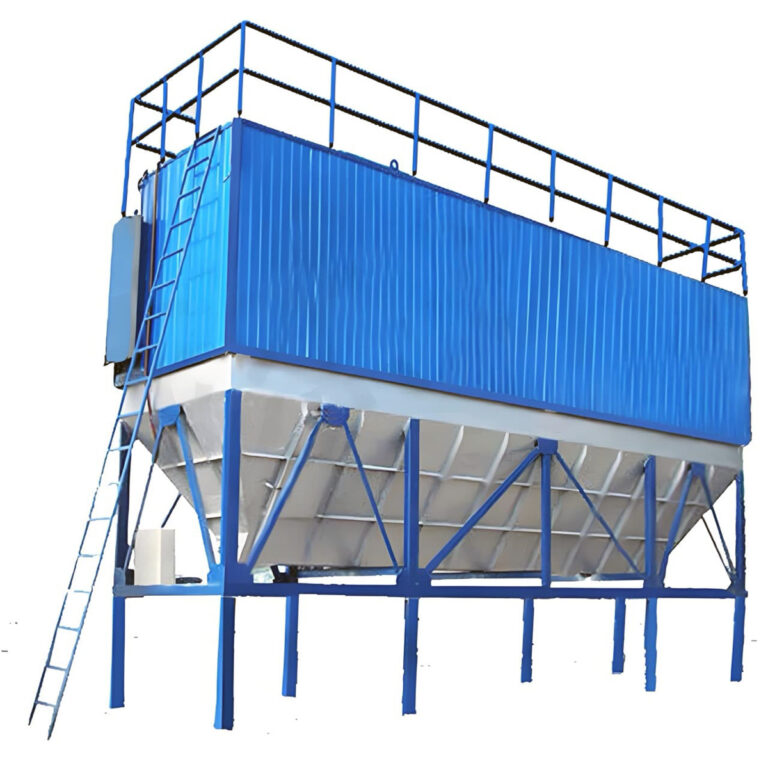
The calculated CFM forces a fundamental design decision. Systems below approximately 60,000 CFM are often single, compact units. High-volume cement plant requirements, frequently exceeding this threshold, mandate a modular, expandable design. This means your CFM calculation and chosen A/C ratio do more than size a collector; they determine whether you invest in a fixed asset or a scalable, future-proofed system. The table below outlines the core calculation parameters and their implications.
| Process Step | Key Parameter | Typical Value / Output |
|---|---|---|
| Core Ratio | Air-to-Cloth (A/C) Ratio | 3.0 – 6.0 ft/min |
| Application Context | High-dust-load (e.g., kiln) | Lower A/C ratio preferred |
| Design Decision Point | Total System CFM | ~60,000 CFM threshold |
| Architectural Implication | Above threshold design | Modular, expandable units |
| Calculation Basis | Filter area determination | Total CFM / A/C Ratio |
Source: GB/T 6719-2022 Bag filter – Technical specifications (https://www.chinesestandard.net/PDF/English.aspx/GBT6719-2022). This standard provides the technical framework for sizing and designing bag filter systems, including the foundational calculations for determining filter area and capacity based on gas volume and application requirements.
Key Factors Influencing Pulse Jet Baghouse CFM Requirements
Process-Specific Variables
The base CFM calculation is just the start. Cement-specific factors critically influence effective capacity. The abrasive nature of raw mix and clinker dust accelerates filter wear, while high dust loads from crushing demand robust cleaning cycles. Temperature and moisture from kiln exhaust necessitate accurate gas conditioning to prevent bag blinding. Each variable, if unaddressed, degrades performance and effectively reduces the system’s operational CFM over time.
Strategic Design for Long-Term Performance
These factors dictate design choices with direct cost implications. For instance, inlet design—such as using shutter dampers for high-dust-load applications—is a capital expenditure that directly protects filter bags from abrasive wear. This extends service life and reduces long-term maintenance costs. Furthermore, the regulatory focus is shifting toward finer particulate matter. Your system must be designed to handle the volumetric CFM while also achieving higher filtration efficiencies for sub-micron particles to pre-empt future regulations, as outlined in standards like ISO 10155:2021.
Air-to-Cloth Ratio: The Core of Baghouse Sizing and CFM
Defining Performance and Efficiency
The A/C Ratio is the central engineering parameter balancing performance, size, and cost. It represents the volume of gas (CFM) filtered per square foot of media. A lower ratio indicates more filter area for a given gas volume, resulting in lower pressure drop, less frequent cleaning, and extended bag life. Selecting the appropriate ratio requires analyzing the specific dust source, concentration, and particle characteristics, not applying a generic standard.
The Financial and Operational Impact
Your chosen A/C ratio directly dictates the system’s physical and financial scale. A miscalculation here has cascading effects: an overly high ratio increases fan energy costs and bag replacement frequency, while an overly low ratio inflates the initial capital outlay. The ratio is the primary lever for managing the pressure drop across the filter cake, a key performance metric defined in ASTM D6830-21. The following table illustrates the operational trade-offs involved in A/C ratio selection.
| A/C Ratio Selection | Operational Impact | Strategic Implication |
|---|---|---|
| Lower Ratio (e.g., ~3.0) | Lower pressure drop | Extended filter bag life |
| Lower Ratio | Less frequent cleaning | Essential for continuous operation |
| Higher Ratio (e.g., ~6.0) | Higher pressure drop | More frequent cleaning cycles |
| Ratio Determination Basis | Dust source & concentration | Not a generic standard |
| System Scale Driver | Required CFM & chosen ratio | Dictates fixed vs. modular design |
Source: ASTM D6830-21 Standard Test Method for Characterizing the Pressure Drop and Filtration Performance of Cleanable Filter Media (https://www.astm.org/d6830-21.html). This test method is critical for evaluating how different air-to-cloth ratios affect the fundamental performance of filter media, including pressure drop, which is a direct result of the chosen ratio.
Optimizing Filter Media and Design for Cement Dust
Selecting the Right Media Compromise
Filter media selection is a critical response to process conditions. Common materials include polyester for lower temperatures, aramids like Nomex for moderate heat, and PPS (Ryton) for excellent chemical resistance against alkaline cement kiln dust. Surface treatments like PTFE coatings enhance dust release properties. This choice is a compromise between thermal tolerance, chemical resistance, and capture efficiency, and must be driven by precise analysis of dust composition and gas stream temperature to prevent premature, costly failure.
Integrating Safety and Performance
Strategically, media choice is a key operational cost driver, as bag replacement entails significant material and downtime expenses. Furthermore, safety standards are making features like anti-static filter media and explosion protection mandatory rather than optional. This reflects a shift toward inherent safety-by-design, making comprehensive protection a fundamental component of system specification. The table below summarizes common media options for cement applications.
| Filter Media Type | Primary Advantage | Typical Application Temp |
|---|---|---|
| Polyester | Cost-effective | Lower temperatures |
| Aramid (e.g., Nomex) | Moderate heat resistance | Moderate temperatures |
| PPS (Ryton) | Excellent chemical resistance | Alkaline kiln dust |
| PTFE Coating | Enhanced dust release | Various media substrates |
| Anti-static Media | Explosion protection | Mandatory safety feature |
Note: Media selection must be based on precise dust composition and gas temperature analysis.
Source: Technical documentation and industry specifications.
Pulse Jet Baghouse vs. Alternative Dust Collector Technologies
Cement Plant Application Fit
Pulse jet baghouses excel in handling the high dust loads and fine particulates typical of cement processes, achieving efficiencies exceeding 99.99%. Their continuous, online cleaning mechanism supports non-stop plant operation for critical applications like kiln, cooler, and mill exhaust. Alternatives like cartridge collectors have lower dust-holding capacity, while electrostatic precipitators (ESPs) struggle with high-resistivity cement dust and have higher capex for comparable efficiency.
The Strategic Procurement Decision
The choice between technologies hinges on operational and financial criteria. While pulse jet systems have operational costs from compressed air and filter replacement, they offer superior flexibility and compliance. The vendor ecosystem is consolidating around full-service solutions. Therefore, your procurement decision should weigh a supplier’s engineering support and lifecycle service capability heavily, as system reliability directly impacts core production uptime. For a detailed analysis of pulse jet baghouse design and performance, consult technical specifications.
Cost Analysis: Capital, Operating, and Total Cost of Ownership
Breaking Down the Cost Components
A comprehensive cost analysis extends far beyond the initial purchase price. Capital costs (CAPEX) include the baghouse structure, filter media, fans, and ductwork. Operating expenses (OPEX) are dominated by energy consumption for the system fan and, critically, the pulse-jet cleaning mechanism. Compressed air consumption is a major operational cost driver, with each cleaning pulse using 1-3 standard cubic feet of air per bag. An accurate audit of your plant’s compressed air supply and cost is essential for true TCO modeling.
Evaluating Hidden Costs and Risks
Long-term maintenance, primarily filter bag replacement, is influenced by upfront design choices like inlet configuration and media selection. The secondary equipment market offers a cautionary note: while used baghouses can offer capex savings, they often introduce hidden project risk and cost through necessary re-engineering, missing components, and difficult parts sourcing. This can negate initial savings, making a detailed refurbishment assessment mandatory before purchase.
| Cost Category | Key Components | Major Cost Driver Example |
|---|---|---|
| Capital Expenditure (CAPEX) | Structure, filter media, fans | Inlet design (e.g., shutter dampers) |
| Operating Expense (OPEX) | Energy, maintenance, bags | Compressed air for cleaning |
| Cleaning Pulse Consumption | Air per bag per pulse | 1 – 3 standard cubic feet |
| Long-term Maintenance | Filter bag replacement | Influenced by inlet design |
| Secondary Market Risk | Used equipment procurement | Hidden re-engineering costs |
Source: Technical documentation and industry specifications.
Maintaining Design CFM: Inspection and Optimization Strategies
Proactive Monitoring for Sustained Performance
Sustaining the designed CFM and collection efficiency requires a disciplined maintenance regimen. Regular inspection of filter bags, cage integrity, and diaphragm valves is necessary to identify failures that cause airflow short-circuiting or dust bypass. Differential pressure monitoring across the filter is the key real-time indicator of dust cake buildup and overall system health, as emphasized in monitoring standards.
The Shift to Intelligent, Optimized Control
Transitioning from timed pulse cleaning to on-demand, condition-based cleaning controlled by programmable logic controllers (PLCs) is now an operational necessity. This optimization strategy reduces compressed air use, minimizes bag wear from unnecessary pulses, and maintains optimal pressure drop. It transforms the baghouse into an intelligent asset, generating data for predictive maintenance and realizing ROI through lower operating costs. The table contrasts legacy and modern maintenance approaches.
| Maintenance Focus | Key Indicator / Action | Optimization Strategy |
|---|---|---|
| System Health Monitoring | Differential pressure | Primary performance indicator |
| Component Inspection | Filter bags, cages, valves | Prevent dust bypass |
| Cleaning Control Legacy | Timed pulse intervals | Fixed schedule |
| Cleaning Control Modern | On-demand, condition-based | PLC-controlled optimization |
| Tuning Parameter | Pulse frequency & duration | Match actual dust load |
Source: ISO 10155:2021 Stationary source emissions (https://www.iso.org/standard/72480.html). This standard for automated monitoring of particulate emissions underscores the importance of continuous performance indicators like pressure drop and supports the use of advanced control systems to maintain designed efficiency and CFM.
Selecting the Right Baghouse: A Decision Framework for Planners
Establishing the Technical Baseline
Begin with accurate, validated process data to calculate your non-negotiable CFM and A/C ratio. This technical baseline informs every subsequent decision. Evaluate design features like modularity for future expansion, advanced inlet systems for abrasive dust, and mandatory explosion protection based on a clear long-term plant strategy. Filter media selection must be validated against a precise gas stream analysis, not supplier catalogs.
Making Explicit Trade-Off Analyses
The framework should force explicit trade-off analyses. Does the higher capital cost of a modular design or advanced inlet system justify the future flexibility and reduced maintenance costs? Can the operational cost of compressed air be mitigated through an optimized PLC control system, and what is its payback period? We have found that answering these questions requires modeling both a 5-year and a 15-year operational scenario.
Ultimately, the choice of a technology partner with strong engineering and lifecycle support capabilities is as critical as the equipment specifications. This ensures single-point accountability for a system vital to your plant’s production uptime, regulatory compliance, and bottom line.
Your baghouse specification hinges on three core decisions: the precision of your CFM and A/C ratio calculation, the foresight embedded in your design choices for modularity and safety, and the rigor of your total cost of ownership model. These elements determine whether the system becomes a reliable asset or a persistent operational constraint.
Need professional guidance to navigate these complex engineering and procurement trade-offs? The experts at PORVOO specialize in designing and optimizing dust collection systems for demanding cement plant applications, ensuring your investment delivers performance and compliance for decades.
Frequently Asked Questions
Q: How do you calculate the required CFM and filter area for a cement plant baghouse?
A: You determine the total process gas volume needing treatment, then apply the Air-to-Cloth (A/C) Ratio. For high-volume cement processes, this ratio typically falls between 3.0 and 6.0 ft/min. Divide your total CFM by the selected A/C ratio to get the required filter area in square feet. This means facilities with high-dust-load applications like kiln exhaust should use a lower A/C ratio to ensure stable operation and avoid excessive pressure drop.
Q: What is the strategic impact of the Air-to-Cloth Ratio on system architecture and cost?
A: The A/C Ratio dictates the physical scale and financial commitment of your dust collection system. A calculated CFM requirement below approximately 60,000 often suits a single unit, while higher volumes necessitate a modular, expandable design. This forces a fundamental decision: invest in a fixed-capacity asset or a scalable system. For projects where long-term plant growth is expected, plan for the higher initial cost of modularity to future-proof your operation and justify the capital expenditure.
Q: Which standards are critical for validating baghouse performance and ensuring regulatory compliance?
A: Key standards include ISO 10155:2021 for automated particulate emissions monitoring and EN 13284-1:2017 for the manual gravimetric measurement of low dust concentrations. For evaluating filter media performance, refer to ASTM D6830-21. If your operation must comply with Chinese regulations, the GB/T 6719-2022 standard governs bag filter technical specifications.
Q: How should you select filter media for a cement plant pulse jet baghouse?
A: Base your selection on a precise analysis of dust composition and gas stream temperature. Common materials are polyester for lower temperatures, aramids for moderate heat, and PPS for chemical resistance, with PTFE coatings to improve dust release. This choice is a major operational cost driver, as premature bag failure leads to high replacement and downtime expenses. For operations with alkaline kiln dust, prioritize chemical resistance to extend bag service life and control long-term costs.
Q: What are the hidden risks and true cost drivers in baghouse Total Cost of Ownership?
A: Beyond capital costs, operational expenses are dominated by energy for the system fan and, critically, compressed air for pulse-jet cleaning. Each cleaning pulse consumes 1-3 standard cubic feet of air per bag, making an accurate compressed air audit essential. Furthermore, used equipment can introduce hidden project risk through necessary re-engineering and parts sourcing. This means your financial model must account for compressed air costs and a detailed refurbishment assessment to avoid negating initial capital savings.
Q: Why is inlet design a critical capital expenditure consideration for cement dust collectors?
A: Inlet design, such as using shutter dampers for high-dust-load applications, is a direct trade-off that protects filter bags from the abrasive nature of raw mix and clinker dust. A robust inlet system shields the media, extending its service life and reducing the frequency and cost of maintenance interventions. For facilities with processes like clinker crushing, expect to justify this higher upfront investment by forecasting significantly lower long-term operational and replacement costs.
Q: How can smart controls optimize baghouse operation and reduce costs?
A: Transitioning from timed pulse cleaning to on-demand, condition-based cleaning controlled by PLCs optimizes compressed air use and reduces bag wear. This intelligent approach maintains optimal pressure drop by tuning pulse frequency to the actual dust load. If your operation seeks to lower energy and maintenance costs, plan for an integrated control system that enables predictive maintenance and delivers ROI through sustained design CFM and efficiency.