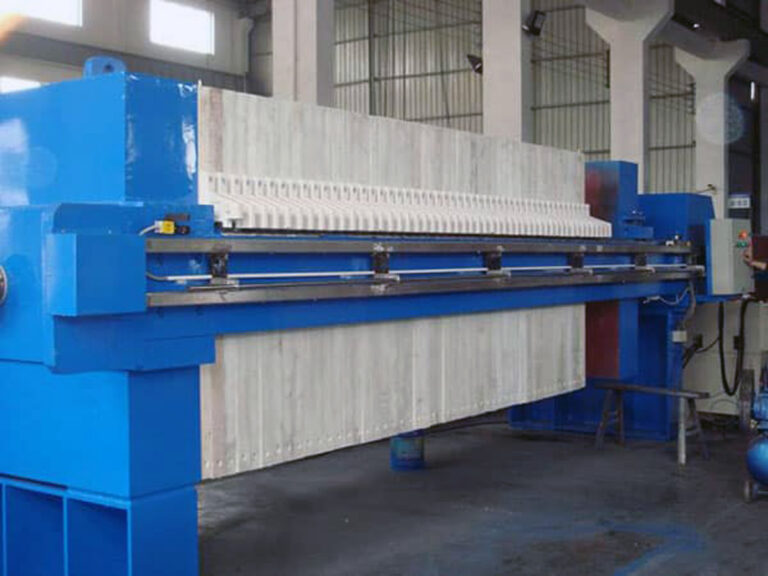
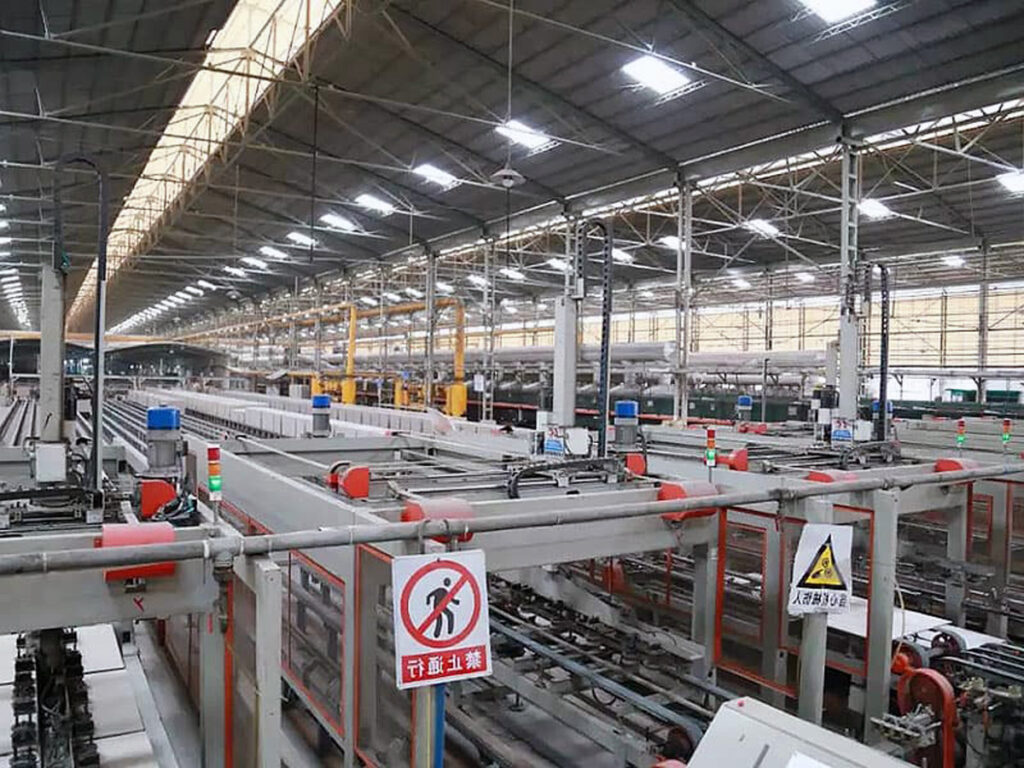
When you’re facing production shutdowns due to contaminated processes or struggling with quality control issues, the pressure to find the right industrial filtration solution becomes overwhelming. Many facility managers discover too late that choosing filtration equipment based solely on initial purchase price can lead to catastrophic operational failures and unexpected expenses that far exceed their original budget.
Without proper cost analysis, you’re essentially gambling with your production efficiency and product quality. The consequences extend beyond immediate financial losses – from regulatory compliance failures and customer complaints to equipment damage and safety hazards that could shut down your entire operation for weeks.
This comprehensive guide provides you with detailed filtration equipment cost breakdowns, real-world pricing comparisons, and proven strategies to make informed investment decisions. You’ll discover how to calculate true ownership costs, identify hidden expenses, and maximize your filtration system ROI while ensuring optimal performance for your specific applications.
What Determines Industrial Filtration Equipment Cost?
Understanding the factors that drive filtration equipment pricing enables you to make strategic decisions and avoid costly surprises. The initial purchase price represents just one component of your total investment, with several critical variables significantly impacting both upfront and long-term costs.
Equipment Type and Complexity
Industrial filter cost varies dramatically based on the technology and engineering complexity required for your application. Basic mechanical filters typically range from $5,000 to $25,000, while advanced membrane systems can exceed $500,000 for large-scale operations.
Cartridge filters represent the most economical option, with systems starting around $3,000 for basic units. However, specialized applications requiring high-efficiency particulate air (HEPA) filters or ultra-low penetration air (ULPA) technology command premium prices due to their precise manufacturing requirements and superior performance capabilities.
Membrane filtration systems, including reverse osmosis and ultrafiltration units, incorporate sophisticated pressure vessels, high-pressure pumps, and advanced control systems. These components drive costs significantly higher, with industrial RO systems typically ranging from $50,000 to $300,000 depending on capacity and water quality requirements.
| Filter Type | Basic Range | Mid-Range | Premium |
|---|---|---|---|
| Cartridge Systems | $3,000-$15,000 | $15,000-$50,000 | $50,000+ |
| Membrane Systems | $25,000-$100,000 | $100,000-$300,000 | $300,000+ |
| Air Filtration | $5,000-$30,000 | $30,000-$150,000 | $150,000+ |
Production Capacity and Size Requirements
Scaling filtration systems to match production demands creates exponential cost increases rather than linear progression. A system designed to process 100 gallons per minute doesn’t simply cost twice as much as a 50 GPM unit – the engineering complexity, structural requirements, and component specifications often triple or quadruple the investment.
Flow rate requirements directly impact pump sizing, vessel dimensions, and filter media quantities. Processing 1,000 GPM typically requires multiple parallel filter trains, redundant systems for continuous operation, and sophisticated control systems that monitor performance across all units simultaneously.
In our experience working with pharmaceutical manufacturers, facilities processing over 10,000 gallons daily often require custom-engineered solutions that can exceed $1 million. These systems incorporate automated backwash cycles, real-time monitoring, and fail-safe mechanisms that ensure uninterrupted production even during maintenance procedures.
Material Quality and Construction Standards
Construction materials significantly influence both initial costs and long-term reliability. Stainless steel 316L construction, required for pharmaceutical and food processing applications, typically adds 40-60% to equipment costs compared to standard carbon steel alternatives.
Specialized applications demanding exotic materials like Hastelloy or titanium can increase costs by 200-400%. However, these investments prove essential when handling corrosive chemicals or operating in high-temperature environments where standard materials would fail within months.
According to industry research from the Filtration & Separation Society, facilities choosing premium construction materials report 70% fewer maintenance issues and 45% longer equipment lifecycles. This data demonstrates how material upgrade costs often provide substantial long-term savings through reduced downtime and maintenance expenses.
How Much Do Different Filter Systems Cost?
Pricing varies significantly across filtration technologies, with each system type offering distinct advantages and cost structures. Understanding these differences helps you select the most cost-effective solution for your specific requirements while avoiding over-engineering or under-specification.
Basic Cartridge Filter Systems
Entry-level cartridge systems provide reliable performance for straightforward applications, with complete systems ranging from $3,000 to $25,000. These units excel in removing particulates and basic contaminants while maintaining relatively low operational costs.
Single-cartridge housing systems start around $500-$1,500, but complete industrial installations require multiple housings, pumps, control panels, and interconnecting piping. A typical 10-cartridge system designed for 100 GPM flow rates costs approximately $12,000-$18,000 including installation.
Specialty cartridge systems for high-temperature or chemical-resistant applications command premium pricing. Polypropylene housings suitable for aggressive chemicals range from $2,000-$5,000 per housing, while stainless steel versions for pharmaceutical applications can exceed $8,000 each.
Industrial facilities processing abrasive materials often require automated cartridge handling systems to reduce labor costs and improve safety. These automated systems add $25,000-$75,000 to project costs but eliminate manual handling of contaminated filters and reduce replacement time by 80%.
Advanced Membrane Filtration Equipment
Membrane technology delivers superior separation performance but requires substantial capital investment. Filtration equipment price for membrane systems reflects their sophisticated engineering and precision manufacturing requirements.
Ultrafiltration systems typically cost $75,000-$200,000 for industrial applications, while reverse osmosis installations range from $100,000-$500,000 depending on capacity and pre-treatment requirements. These systems achieve removal efficiencies exceeding 99.9% for targeted contaminants.
Recent case studies from water treatment facilities demonstrate membrane system advantages despite higher initial costs. A municipal facility in Texas replaced aging sand filters with a $350,000 ultrafiltration system, achieving 90% reduction in chemical usage and eliminating backwash waste streams that previously required expensive disposal.
Industrial Air Filtration Units
Air filtration systems span the broadest cost range due to varying performance requirements and installation complexity. HVAC-integrated units start around $5,000, while specialized cleanroom systems can exceed $200,000.
High-efficiency systems for pharmaceutical manufacturing typically cost $50,000-$150,000 per air handling unit. These systems incorporate HEPA filters, variable frequency drives, and sophisticated controls that maintain precise airflow patterns and contamination levels.
Baghouse dust collectors for industrial processes represent significant investments, with units ranging from $75,000 to $400,000. Pulse-jet cleaning systems and specialized filter media for high-temperature applications drive costs toward the upper range but deliver essential performance for cement, steel, and chemical processing facilities.
What Are the Hidden Costs in Filtration Equipment Pricing?
Beyond the initial purchase price, numerous additional expenses can significantly impact your total project investment. These hidden costs often catch facility managers unprepared and can double or triple the original equipment budget without proper planning.
Installation and Setup Expenses
Professional installation typically represents 20-40% of equipment costs, depending on system complexity and site conditions. Basic cartridge systems may require only $2,000-$5,000 for installation, while complex membrane plants can demand $100,000+ for proper commissioning.
Electrical work, piping modifications, and structural improvements frequently exceed initial estimates. Membrane systems requiring high-pressure piping often need specialized fittings and supports that can add $15,000-$30,000 to project costs. Additionally, electrical requirements for large systems may necessitate utility service upgrades costing $10,000-$50,000.
Foundation requirements for heavy filtration equipment represent another significant expense. Large membrane skids can weigh 15,000-25,000 pounds when filled, requiring reinforced concrete pads and specialized mounting systems. These structural modifications typically cost $5,000-$20,000 but are essential for long-term system stability.
Maintenance and Replacement Parts
Filter system pricing analysis must include ongoing maintenance expenses that accumulate throughout the equipment lifecycle. Cartridge replacement alone can cost $10,000-$50,000 annually for high-capacity systems, while membrane replacement typically ranges from $25,000-$100,000 every 3-5 years.
Preventive maintenance programs require specialized tools, spare parts inventory, and trained technicians. Annual maintenance contracts typically cost 8-12% of initial equipment investment but provide essential protection against unexpected failures and warranty coverage.
Membrane systems require particularly expensive consumables, including cleaning chemicals, o-rings, and pressure sensors. Annual consumable costs often reach $15,000-$40,000 for industrial installations, with emergency replacement parts potentially costing 2-3 times normal pricing due to expedited shipping requirements.
| Maintenance Component | Annual Cost Range | Replacement Frequency |
|---|---|---|
| Filter Cartridges | $5,000-$25,000 | 3-6 months |
| Membrane Elements | $8,000-$40,000 | 3-5 years |
| Cleaning Chemicals | $2,000-$8,000 | Continuous |
| Spare Parts | $3,000-$15,000 | As needed |
Energy Consumption Costs
Filtration systems consume substantial electricity for pumps, blowers, and control systems. A 500 GPM reverse osmosis system typically requires 200-300 kW of connected power, resulting in annual electricity costs of $50,000-$80,000 at industrial rates.
High-pressure applications demand particularly energy-intensive equipment. Industrial membrane systems operating at 600-800 PSI require large high-pressure pumps that consume 2-4 kWh per 1,000 gallons processed. Facilities processing millions of gallons annually face electricity costs exceeding $100,000.
Energy recovery systems can reduce consumption by 30-40% but require additional capital investment of $25,000-$75,000. However, payback periods typically range from 18-36 months, making these upgrades financially attractive for high-volume applications.
How to Compare Filter System Pricing Effectively?
Effective price comparison requires comprehensive analysis beyond initial purchase costs. Successful procurement strategies evaluate total ownership expenses, performance capabilities, and long-term value proposition to identify the optimal solution for specific applications.
Total Cost of Ownership Analysis
Industrial filtration cost analysis should encompass all expenses over the expected equipment lifecycle, typically 15-20 years for quality systems. This holistic approach reveals that systems with higher initial costs often provide superior value through reduced operating expenses and longer service life.
Calculate annual operating costs including energy consumption, consumable replacements, maintenance labor, and waste disposal. A membrane system costing $200,000 initially but requiring $30,000 annual operating expenses may prove more economical than a $150,000 alternative with $45,000 annual costs over a 15-year period.
According to research from Water Technology magazine, facilities conducting comprehensive TCO analysis achieve 23% lower lifecycle costs compared to those focusing solely on purchase price. This analysis becomes particularly critical for high-capacity systems where operating expenses can exceed initial equipment costs within 3-5 years.
“The biggest mistake we see is choosing filtration equipment based on the lowest bid. In industrial applications, the total cost of ownership over 15-20 years should drive the decision, not just the purchase price.” – Dr. Sarah Mitchell, Industrial Water Treatment Consultant
Performance vs. Price Evaluation
Quantifying performance benefits requires establishing clear metrics for efficiency, reliability, and product quality improvements. Systems delivering 99.9% removal efficiency versus 95% alternatives often justify premium pricing through reduced downstream processing costs and improved product quality.
Consider throughput capabilities when comparing options. A higher-priced system processing 20% more volume per hour may provide better value than seemingly economical alternatives requiring additional parallel units to achieve desired capacity.
Reliability metrics significantly impact operational costs through reduced downtime and maintenance requirements. Premium equipment manufacturers typically guarantee 95-98% uptime, while budget alternatives may achieve only 85-90% availability. For facilities where downtime costs $10,000-$50,000 per hour, reliability premiums quickly prove worthwhile.
Vendor Selection Criteria
Established manufacturers with comprehensive service networks provide superior long-term value despite potentially higher initial costs. PORVOO’s industrial filtration solutions exemplify this approach, offering integrated support from initial design through lifecycle maintenance.
Evaluate warranty coverage, spare parts availability, and technical support capabilities when comparing vendors. Five-year warranties with local service support provide significant value compared to limited coverage from distant suppliers. Emergency service response times can mean the difference between minor disruptions and costly extended shutdowns.
Training and documentation quality varies dramatically between manufacturers. Comprehensive operator training programs and detailed maintenance manuals reduce long-term support costs and improve system reliability. Budget suppliers often provide minimal documentation, resulting in higher operational expenses and increased failure risks.
What Budget Should You Set for Industrial Filtration Projects?
Establishing appropriate budget ranges requires understanding typical investment levels for different facility sizes and applications. Proper budget planning prevents project delays and ensures adequate resources for optimal system selection and implementation.
Small-Scale Operations (Under $50K)
Filtration equipment budget planning for smaller facilities typically focuses on cartridge-based systems and basic membrane units. Complete installations under $50,000 can effectively serve facilities processing up to 10,000 gallons daily or small-scale industrial air cleaning requirements.
Single-stage cartridge systems with 5-10 filter housings represent common solutions in this price range. These systems handle basic particle removal and can incorporate specialty cartridges for specific contaminants. Automated features remain limited, but manual systems provide reliable performance when properly maintained.
Small reverse osmosis systems for laboratory or food service applications fit within this budget range. Complete systems processing 500-2,000 gallons daily, including pre-treatment, storage, and distribution components, typically cost $25,000-$45,000 installed.
Consider modular designs that allow future expansion when processing requirements grow. Many manufacturers offer systems designed for easy capacity increases through additional filter housings or parallel membrane trains.
Medium Enterprise Solutions ($50K-$500K)
Mid-range industrial filtration projects typically serve facilities processing 25,000-200,000 gallons daily or requiring sophisticated air cleaning for manufacturing operations. These systems incorporate automated controls, redundant components, and advanced monitoring capabilities.
Complete water treatment systems in this range often include multi-stage pre-treatment, membrane filtration, and polishing steps. Pharmaceutical and food processing facilities commonly invest $150,000-$300,000 for systems meeting regulatory requirements and providing consistent product quality.
Industrial air filtration systems for paint booths, welding operations, or dust collection applications typically fall within this budget range. Sophisticated baghouse collectors with pulse-jet cleaning and automated dust handling systems provide reliable performance for demanding applications.
A case study from a metal fabrication facility demonstrates typical medium-scale investments. They installed a $275,000 dust collection system serving 12 grinding stations, achieving 99.5% particle capture efficiency and reducing facility cleaning costs by $35,000 annually.
Large Industrial Installations ($500K+)
Major industrial filtration projects require substantial investments but deliver proportional benefits through high-capacity processing and advanced automation. These systems often incorporate redundant trains, sophisticated controls, and comprehensive monitoring systems.
Large membrane plants serving municipal or industrial customers commonly exceed $1 million for complete installations. These facilities process millions of gallons daily and must maintain continuous operation through redundant systems and automated controls.
Specialized applications like semiconductor manufacturing or pharmaceutical production may require cleanroom air filtration systems exceeding $500,000. These installations provide Class 100 or Class 10 cleanliness levels through sophisticated HEPA filter arrays and laminar flow designs.
Consider lifecycle costs when evaluating large system investments. Premium components and construction materials may increase initial costs by 30-40% but deliver superior reliability and longer service life, ultimately providing better value for critical applications.
How to Reduce Filtration Equipment Investment Costs?
Strategic cost reduction approaches can significantly decrease project expenses without compromising performance or reliability. Successful cost management requires careful timing, creative financing, and thorough market analysis to identify opportunities for savings.
Timing Your Purchase Strategically
Equipment manufacturers often offer significant discounts during slow periods or fiscal year-end promotions. Planning purchases to coincide with these cycles can reduce costs by 10-20% without affecting equipment quality or warranty coverage.
End-of-year purchasing frequently provides substantial savings as manufacturers clear inventory and meet annual sales targets. However, ensure adequate lead time for delivery and installation to avoid rushing commissioning activities that could compromise system performance.
Consider off-season installation to reduce labor costs and improve contractor availability. Installation during slow periods often costs 15-25% less than peak season work, and contractors typically provide better attention to detail when not rushed between multiple projects.
Exploring Financing and Leasing Options
Equipment leasing can reduce initial cash requirements while providing tax advantages and predictable monthly expenses. Many manufacturers offer attractive lease terms that include maintenance and upgrade provisions, effectively reducing total ownership costs.
Government incentives for energy-efficient equipment can offset substantial portions of project costs. Federal tax credits for water conservation equipment and energy recovery systems can reduce net costs by 10-30% for qualifying installations.
Power purchase agreements and shared savings programs allow facilities to upgrade filtration systems with minimal upfront investment. Third-party financing based on guaranteed energy savings enables immediate implementation while spreading costs over 5-10 year terms.
Conclusion
Understanding filtration equipment cost structures empowers you to make informed decisions that optimize both performance and value. The key insights from this analysis demonstrate that initial purchase price represents only 30-40% of total lifecycle costs, with energy consumption, maintenance, and replacement parts comprising the majority of long-term expenses.
Successful filtration projects require comprehensive evaluation of total cost of ownership, performance capabilities, and vendor support quality. Systems delivering superior efficiency and reliability often justify premium pricing through reduced operating costs and improved process outcomes over 15-20 year lifecycles.
Your next steps should include conducting detailed cost analysis for your specific application, evaluating multiple vendors through comprehensive proposals, and considering financing options that align with your capital budget constraints. Focus on proven technologies from established manufacturers who provide comprehensive support throughout the equipment lifecycle.
The industrial filtration market continues evolving toward higher efficiency and automated systems that reduce labor requirements while improving performance consistency. Investing in modern filtration technology positions your facility for long-term competitive advantage through superior product quality and operational efficiency.
For expert guidance on selecting cost-effective filtration solutions tailored to your specific requirements, consider consulting with experienced professionals who can help you navigate the complex decision matrix and identify optimal solutions within your budget parameters.
Ready to transform your filtration challenges into competitive advantages through strategic investment planning?
Frequently Asked Questions
Q: What factors influence the cost of industrial filtration equipment?
A: The cost of industrial filtration equipment varies based on several key factors:
- Type of filtration system (e.g., plate and frame, membrane filter press, dust collection systems)
- Capacity and volume requirements (processing liters per batch or cubic feet per minute for air filtration)
- Level of automation and technology sophistication
- Installation complexity, including ductwork and electrical needs
- Material quality and pretreatment requirements
These elements combined determine the initial purchase price and ongoing operational costs, making thorough price comparison critical for budgeting industrial filtration equipment cost effectively.
Q: How much should I expect to pay for typical industrial filter press systems?
A: Costs for industrial filter presses can range widely:
- Manual plate and frame filter presses for smaller volumes start around $15,000 to $35,000.
- Semi-automatic models with hydraulic systems typically cost between $35,000 and $85,000.
- Fully automatic, high-capacity membrane filter presses can range from $75,000 up to $250,000 or more depending on automation and capacity.
Higher upfront costs often translate to labor savings and more efficient filtration, justifying the investment in many cases.
Q: What are the cost differences between various industrial air filtration systems?
A: Industrial air filtration equipment pricing depends largely on system size and complexity:
- Small-scale dust collection systems (under 5,000 CFM) typically cost $10,000 to $50,000.
- Medium-scale systems (5,000–20,000 CFM) can range from $75,000 to $300,000.
- Key cost drivers include ductwork complexity, electrical requirements, and energy-efficient components such as variable frequency drives.
Understanding your specific air filtration needs ensures better cost comparisons and system performance.
Q: Are there long-term cost benefits to investing in higher-priced filtration technologies?
A: Yes, investing in advanced filtration systems can offer significant long-term savings:
- Membrane filter presses produce drier filter cakes, reducing disposal costs by up to 25%.
- Automation reduces labor expenses by 35-40%.
- Energy-efficient air filtration systems lower power consumption, often paying for themselves within 18 months.
These factors improve return on investment despite higher initial industrial filtration equipment costs.
Q: How do water treatment system costs relate to industrial filtration equipment pricing?
A: Industrial water treatment systems complement filtration by treating water streams and vary widely in cost:
- Small reverse osmosis or nanofiltration systems may start under $60,000.
- Larger systems, depending on flow rate and pretreatment complexity, can reach several million dollars.
While not strictly filtration equipment, these systems are integral in many industrial processes and must be considered in the overall filtration and treatment budget.
Q: What should I consider when comparing prices for industrial filtration equipment?
A: When comparing prices, consider the following to ensure value:
- Capacity and throughput needs to avoid undersizing or overspending.
- Technology type and automation level to balance upfront cost with operational efficiency.
- Installation and maintenance costs, including space and infrastructure modifications.
- Energy consumption and environmental compliance benefits.
A comprehensive price comparison guide helps you choose the most cost-effective and suitable industrial filtration equipment for your application.
External Resources
- How Much Does an Industrial Water Treatment System Cost? – SAMCO Technologies – Explores detailed cost breakdowns for various industrial filtration and water treatment systems, including price ranges for RO, nanofiltration, and IX systems, and factors influencing total project budgeting.
- Filter Price Comparison | A.C.T. Dust Collectors – Provides a side-by-side price and capacity comparison of industrial dust collector filter cartridges, including ongoing maintenance and replacement cost considerations.
- Industrial & Commercial Air Filters | All Sizes & Specs – The Cary Company – Offers a variety of industrial and commercial filtration products with detailed unit price listings and bulk pricing for air filters in multiple sizes and specifications.
- Industrial Filtration Price – Made-in-China.com – Features an extensive catalog of industrial filtration equipment from international suppliers with transparent price points for different equipment types and capacities.
- Industrial Filtration Equipment Price Guide – Thomasnet – Summarizes typical price ranges for various industrial filtration equipment, highlights product specifications, and explains factors that impact costs for buyers.
- 2024 Industrial Filtration System Costs – CostOwl.com – Delivers an updated cost guide for purchasing and installing industrial filtration systems, including price factors, comparison charts, and tips for cost-efficient equipment selection.