For plant managers and process engineers in stone processing, the central challenge in hydrocyclone operation isn’t just achieving separation—it’s doing so efficiently. The pressure required to drive the centrifugal force directly dictates both performance and power consumption, creating a constant tension between recovery targets and operating costs. Missteps in pump selection or control strategy can lock in years of excessive energy use and suboptimal material recovery.
This balance is now critical. As operational budgets tighten and sustainability regulations intensify, understanding the precise relationship between hydrocyclone pressure, particle cut-point, and kilowatt-hours is no longer optional. Optimizing this system is a direct lever for improving both the bottom line and environmental compliance in slurry management.
How Hydrocyclone Pressure Drives Separation Efficiency
The Physics of the Centrifugal Vortex
Separation inside a hydrocyclone is a function of pressure converted to velocity. As slurry enters under pressure through a tangential inlet, it forms a high-speed vortex. This creates centrifugal forces that separate particles by size and density. Denser, coarser particles migrate to the outer wall and descend to the underflow, while finer particles and water are carried upward through the vortex finder to the overflow. The system’s effectiveness hinges on maintaining the specific pressure differential needed to generate this stable, forceful vortex.
Defining the Performance Cut Point
The key metric is the cut point (d50), the particle size with a 50% probability of reporting to either outlet. This cut point is not fixed; it is inversely proportional to the square root of the pressure drop across the cyclone. Higher feed pressure increases centrifugal force, lowering the cut point and allowing finer particles to be recovered in the underflow. However, the relationship also depends on the differential density between the particle and the fluid. A lighter material requires a larger particle for equivalent separation compared to denser stone, meaning target pressure is always material-specific.
The Non-Negotiable Role of Pressure Control
The primary insight for operators is that precise pressure control is more critical than raw pump power. Fluctuating feed pressure directly alters the cut point, leading to inconsistent product quality and recovery rates. For stone slurry, failing to maintain the required pressure minimum results in a collapsed vortex and poor separation, where both coarse and fine materials report to the overflow. In our experience, stabilizing this variable is the first and most impactful step toward predictable performance.
Key Design Factors That Determine Operating Pressure
Cyclone Geometry and Its Influence
The required operating pressure is set by an interplay of fixed design parameters and variable feed conditions. The diameters of the feed inlet, vortex finder, and apex are primary geometric factors. A smaller inlet diameter increases entry velocity for a given flow, potentially requiring higher pressure to maintain throughput. The vortex finder size influences the overflow characteristics and internal pressure profile, while the apex opening controls underflow density and discharge pattern.
Slurry Characteristics as a Variable
The slurry’s physical properties are equally decisive. Solids concentration and particle size distribution directly affect viscosity. A higher percent solids increases viscosity, which dampens centrifugal forces and may necessitate higher pressure to achieve the same separation efficiency. The specific gravity of the stone particles themselves defines the baseline force needed for classification.
Establishing a Stable Operational Baseline
A minimum pressure threshold—typically around 15 psi for many stone slurry applications—is required to establish a stable vortex. Operating below this threshold leads to inefficient separation. The visual indicator of proper operation is a coherent, “rope-like” underflow discharge. A lazy or intermittent “sausage” signals incorrect pressure or slurry density.
The following table outlines the key design and operational factors that collectively determine the system’s operating pressure profile.
Core Pressure Determinants
| Design Factor | Typical Range/Value | Impact on Pressure |
|---|---|---|
| Feed Inlet Diameter | Varies with cyclone size | Controls entry velocity |
| Vortex Finder Diameter | Varies with cyclone size | Influences overflow pressure |
| Apex Diameter | Varies with cyclone size | Controls underflow discharge |
| Conical Section Angle | Standard to narrow | Affects retention time |
| Stone Slurry Feed Pressure | 15 – 80 psi | Required for stable vortex |
| Minimum Pressure Threshold | ~15 psi | Establishes basic vortex |
Source: JC/T 2568-2020 Hydrocyclone for building materials industry. This standard specifies technical requirements and test methods for hydrocyclones, directly governing the design parameters (like inlet, vortex finder, and apex dimensions) that determine the operational pressure profile and performance for applications like stone slurry treatment.
Feed Pump Selection and Pressure Control Strategies
Selecting the Right Pump for Abrasive Duty
The feed pump must be engineered for the application’s abrasiveness while delivering the target pressure and flow. For stone slurry, pumps with rubber-lined or hard metal alloy wetted parts are essential for longevity. The pump’s duty point must be calculated to overcome the total dynamic head of the system, which includes static head, pipeline friction losses, and the target pressure at the hydrocyclone inlet. Oversizing the pump is a common error that leads to inefficient operation far from its Best Efficiency Point (BEP).
The Imperative of VFD-Based Pressure Control
The strategic control imperative is to maintain a constant pressure setpoint at the cyclone feed. This is best achieved by installing a Variable Frequency Drive (VFD) on the feed pump, slaved to a pressure transducer at the cyclone inlet. This closed-loop system automatically adjusts pump speed to maintain pressure, ensuring consistent separation efficiency despite fluctuations in feed sump level or density. Relying on sump level control alone allows pressure to vary, compromising separation performance.
Leveraging Efficient Pump Technology
Vertical slurry pumps with seal-less designs offer a notable advantage. By eliminating the need for a mechanical seal and associated flush water, and often featuring a more efficient hydraulic profile, they can provide a 15-30% energy efficiency improvement over traditional horizontal end-suction models. This directly reduces the lifetime operating cost of the pressure generation system.
The selection of pump components and control logic forms the backbone of a reliable and efficient pressure supply system.
Pump System Specifications
| Component/Strategy | Key Specification/Feature | Performance Impact |
|---|---|---|
| Pump Wetted Parts | Rubber-lined or hard alloy | Essential for abrasion resistance |
| Primary Control Strategy | VFD with pressure transducer | Maintains constant feed pressure |
| Alternative Strategy | Sump level control | Leads to variable pressure |
| Vertical Slurry Pump Design | Seal-less configuration | 15-30% energy efficiency advantage |
| Pump Selection Basis | Target feed pressure & flow | Overcomes total system losses |
Source: Technical documentation and industry specifications.
Calculating and Optimizing System Energy Consumption
Pinpointing the Energy Demand
Energy consumption is dominated by the feed pump, calculated by the formula: Power (kW) = (Flow Rate × Total Dynamic Head) / (Pump Efficiency × Constant). The Total Dynamic Head is the sum of all system resistances. Optimization, therefore, focuses on minimizing this head requirement while maximizing pump efficiency. The highest costs often stem from mismatched equipment—an oversized pump operating at a throttled valve or a system with excessive piping friction losses.
Systematic Approaches to Reduce Head
Right-sizing the hydrocyclone cluster for the plant’s flow rate prevents the need to operate at excessively high pressures. Optimizing pipeline layout to use smoother bends and appropriate diameters reduces friction losses. Most critically, operating the pump near its BEP via VFD control ensures the motor converts electrical energy to hydraulic energy as efficiently as possible. An improperly sized pump operating off its BEP can waste 20-30% more energy.
Optimizing the Feed Stream
Feed slurry density is a crucial lever. Operating at an optimal, consistent solids density (typically 25-35% by weight for many stone slurries) is key. Overly dilute slurry wastes energy pumping excess water, while overly dense slurry increases viscosity and hampers separation, potentially requiring even higher pressure. This interdependency underscores why integrated system design is non-negotiable for true energy optimization.
Energy optimization requires a holistic view of the entire slurry handling circuit, as detailed below.
Key Optimization Levers
| Optimization Lever | Target Parameter/Range | Effect on Energy Use |
|---|---|---|
| Hydrocyclone Sizing | Match to plant flow rate | Avoids excessive pressure |
| Pipeline Layout | Minimize friction losses | Reduces total dynamic head |
| Pump Operation Point | Near Best Efficiency Point (BEP) | Maximizes pump efficiency |
| Feed Slurry Density | 25-35% by weight | Optimal for separation & energy |
| Integrated System Design | Matched equipment components | Prevents highest cost mismatches |
Source: Technical documentation and industry specifications.
Common Operational Challenges and Diagnostic Solutions
Diagnosing Fines Loss to Overflow
A frequent operational complaint is the loss of product-sized fines to the overflow, reducing yield. This is often symptomatic of incorrect feed pressure (too low), an oversized apex orifice, or a feed slurry that is too dilute. Diagnosis should follow a sequence: first, verify pump pressure and flow rate are at design specification. Next, inspect the apex for wear—an eroded apex will discharge too freely, pulling water and fines from the overflow.
Mechanical Integrity and Adjustment
Check the cyclone interior and liners for excessive wear or blockages. Adjusting the apex size or installing a variable underflow regulator can help fine-tune the separation, but these are secondary corrections. The primary solution is to first stabilize the feed pressure and density. The visual cue of the underflow discharge remains a powerful diagnostic tool; a fluttering or inconsistent “sausage” almost always points to a feed stability issue.
The Fine-Separation Trade-Off in Practice
For operations targeting finer separations to reduce pond volumes or recover more material, the need for higher pressure becomes an explicit process decision. This creates a direct trade-off with energy use that must be evaluated. The decision to push for a lower cut-point cannot be made in isolation from the pump’s power curve and the cost of electricity.
The Trade-Off Between Fine Particle Recovery and Energy Use
The Direct Cost of a Lower Cut Point
Recovering finer particles requires greater centrifugal force, achieved by operating at a higher feed pressure. This increases the pump’s energy draw proportionally. The decision to target a finer cut point (e.g., 38 microns versus 75 microns) must therefore be an economic analysis, balancing the incremental value of the recovered material against the operational cost of the additional energy required to recover it.
The Governing Principle of Size and Density
The achievable separation is governed by Stokes’ Law, meaning the cut point is determined by both particle size and specific gravity. This is a critical technical principle often overlooked. A target recovery rate based on particle size alone is incomplete. Process designers must select and size cyclones based on the specific gravity of the target material. For two particles of the same size but different densities, the heavier one will report to the underflow at a lower pressure.
Making an Informed Economic Decision
This trade-off analysis only becomes accurate when the specific gravity of the material is factored into the hydrocyclone selection and system design. A system designed for a high-density granite slurry will be misapplied for a lower-density material, leading to either poor recovery or excessive energy consumption.
The relationship between recovery targets and energy input is defined by clear physical and economic parameters.
Recovery vs. Energy Dynamics
| Recovery Target | Required Action | Direct Consequence |
|---|---|---|
| Finer particle cut point | Higher feed pressure | Increased pump energy draw |
| Example: 38 microns | Greater centrifugal force | Higher operational cost |
| Target material value | Balance against energy cost | Defines economic feasibility |
| Key governing principle | Particle size & specific gravity | Determines achievable separation |
Source: Technical documentation and industry specifications.
Implementing a Cost-Effective Hydrocyclone System
Focusing on Total Lifecycle Cost
Cost-effectiveness is measured in total lifecycle cost, not capital expenditure. This cost is dominated by energy consumption and maintenance. Implementing a VFD-based pressure control strategy is the single most effective action to maximize recovery and product quality consistency, directly protecting revenue. Selecting energy-efficient vertical pumps further reduces the largest operating expense: electricity.
Integration for Enhanced Value
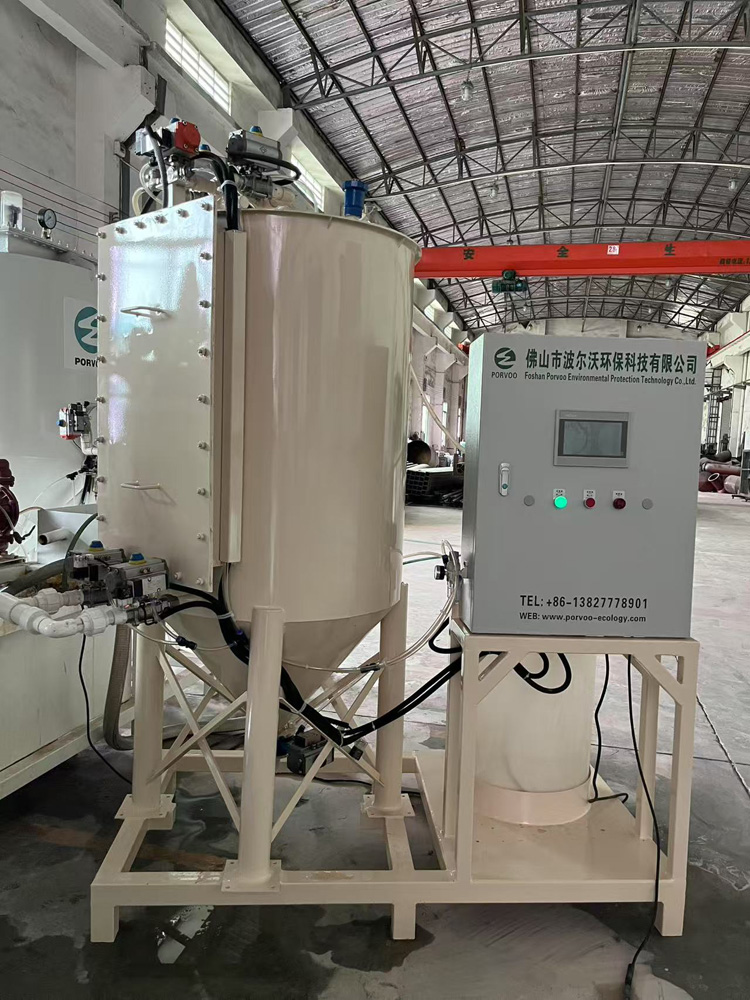
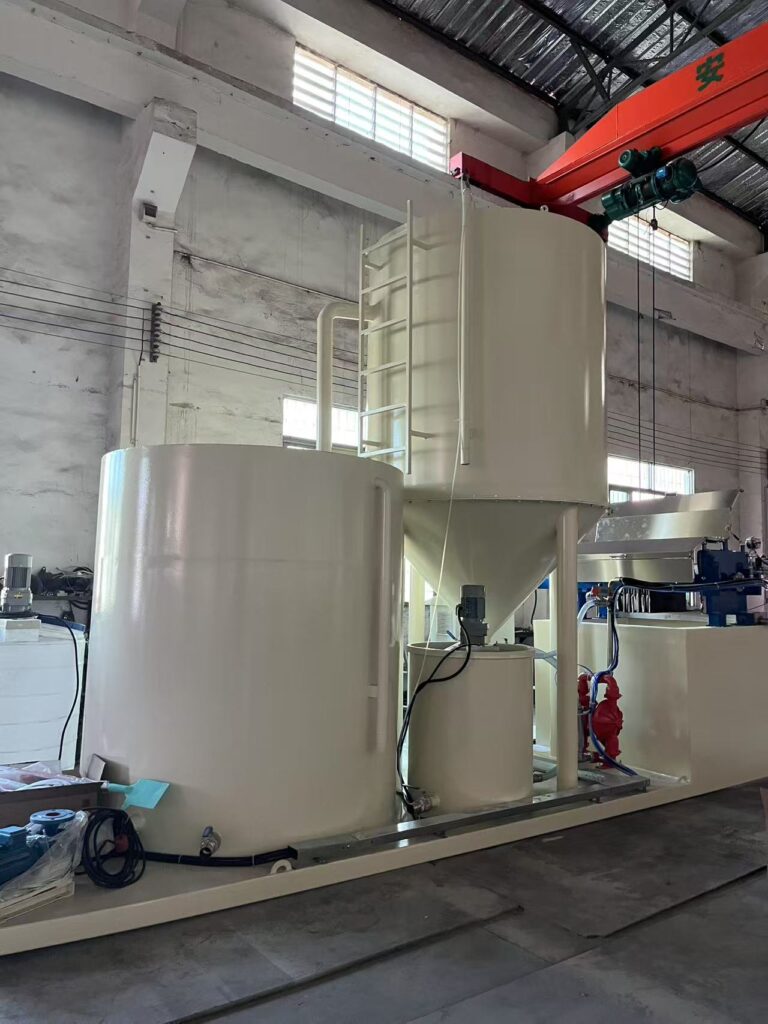
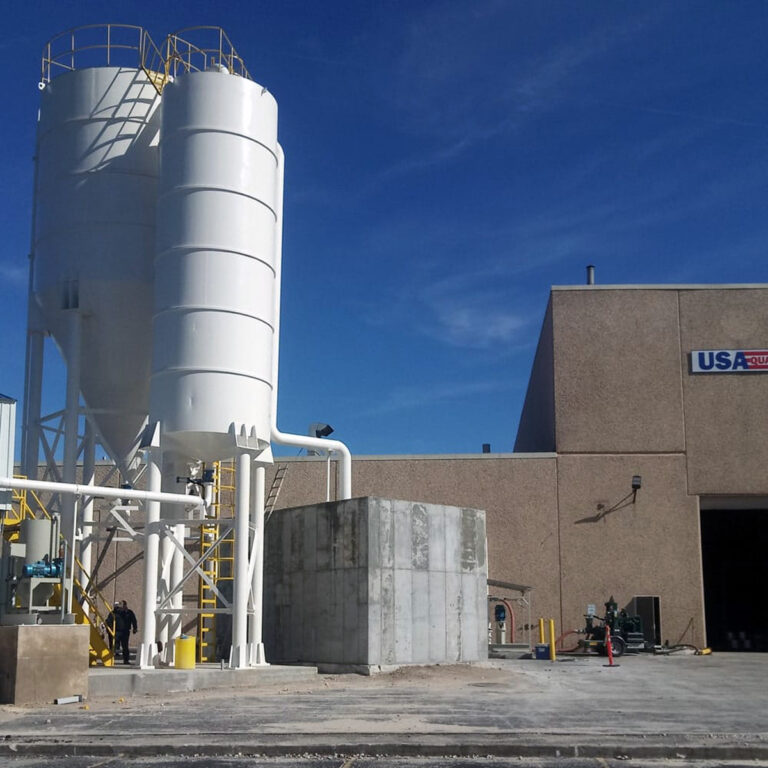
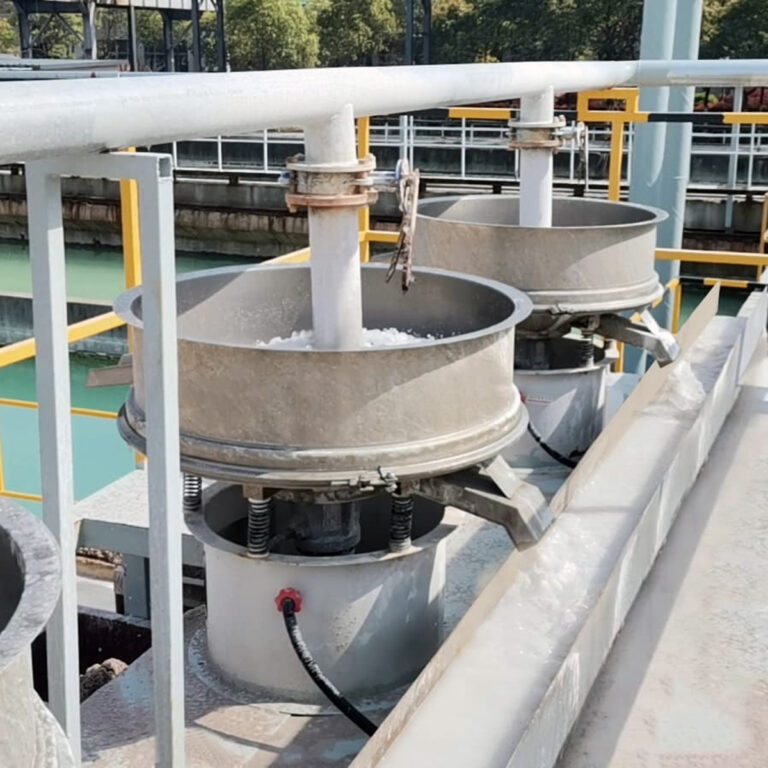
The strategic integration of hydrocyclones with downstream dewatering equipment unlocks significant value. Pairing cyclones with high-frequency dewatering screens can process the underflow to achieve material moisture as low as 12-14%, while also cleaning the overflow water for reuse. This integrated approach, such as a purpose-built grit removal and dewatering system, converts waste into a handleable product and minimizes freshwater consumption, addressing both economic and environmental KPIs.
Designing for Operational Simplicity
A cost-effective system is also a reliable one. Design for easy maintenance access, use wear sensors where possible, and ensure control logic is straightforward for operators. The goal is to minimize downtime and specialized maintenance interventions, keeping the system online and performing at its optimized point.
A holistic view of cost factors guides the implementation of a truly efficient system.
Strategic Cost Management
| Cost Factor | Strategic Action | Outcome/Benefit |
|---|---|---|
| Lifecycle Cost Dominance | Energy & maintenance focus | Lowers total operating expense |
| Performance Consistency | VFD-based pressure control | Maximizes recovery & quality |
| Pump Efficiency | Select vertical seal-less pumps | Reduces operating expenses |
| Product Moisture Target | Integrate with dewatering screens | Achieves 12-14% moisture |
| Water Management | Create closed-loop system | Minimizes freshwater use |
Source: Technical documentation and industry specifications.
Best Practices for Sustainable Slurry Treatment
Closing the Water Loop
Sustainable practice begins with maximizing resource recovery and minimizing discharge. The integrated hydrocyclone-dewatering screen system is a cornerstone, creating a closed-loop water circuit. This drastically reduces the volume of slurry sent to settling ponds, cuts freshwater makeup requirements, and transforms solid waste into a potentially saleable by-product.
Transitioning from Passive to Active Management
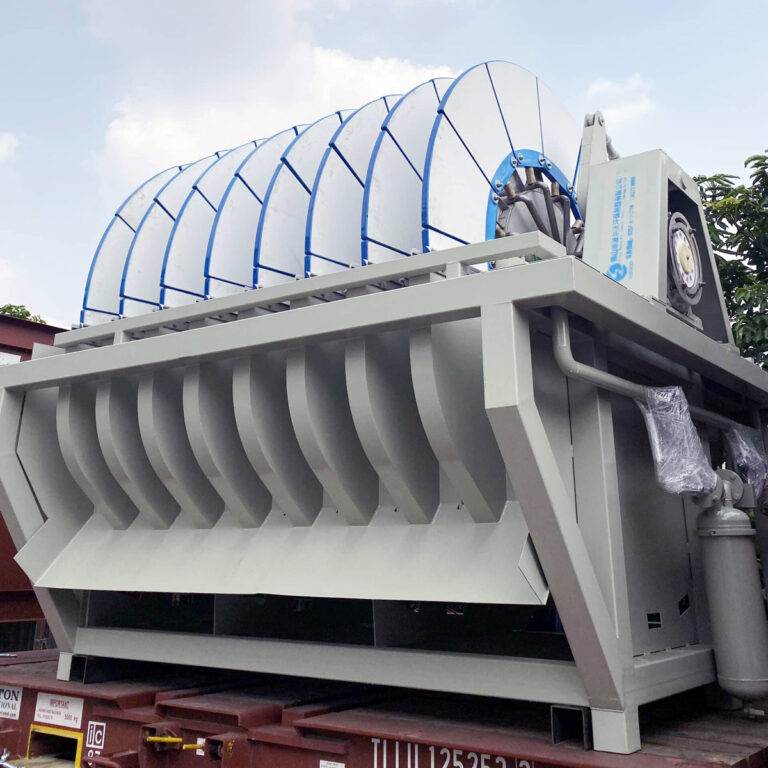
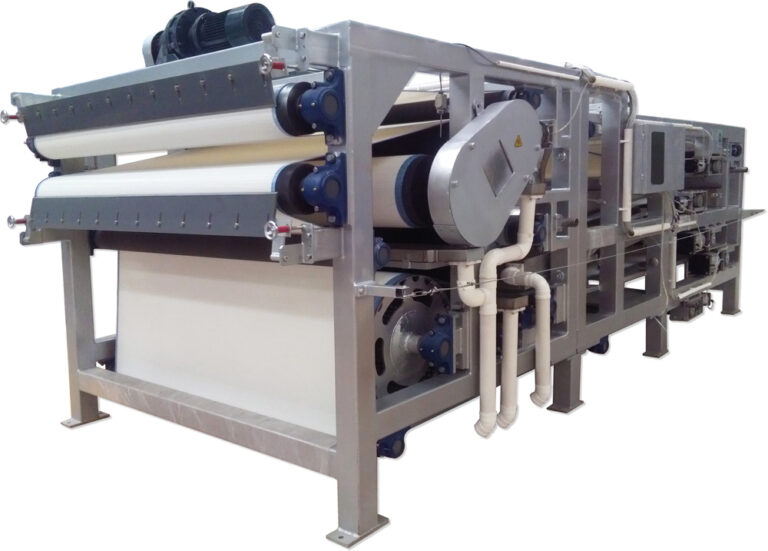
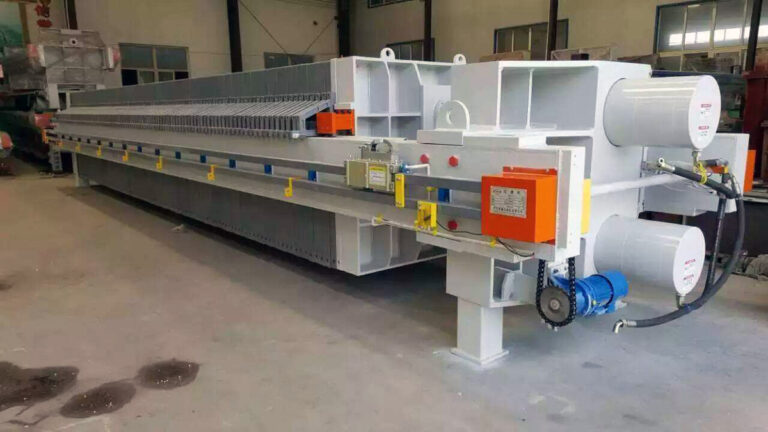
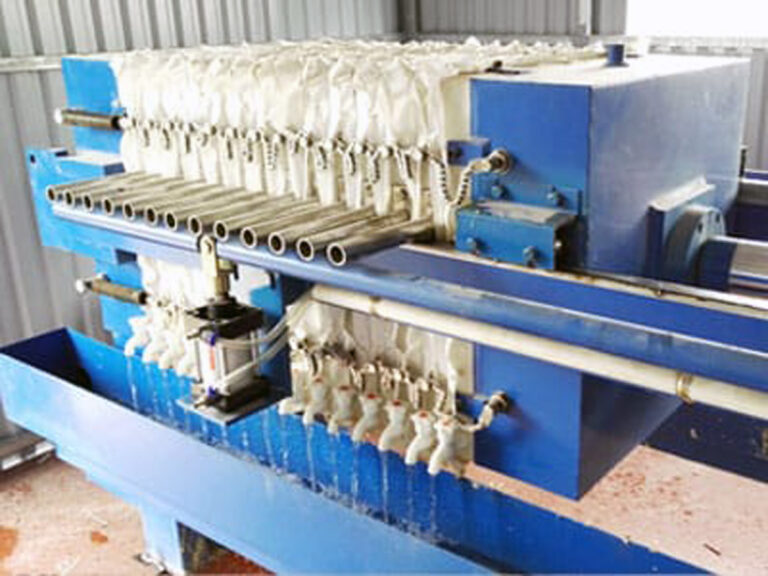
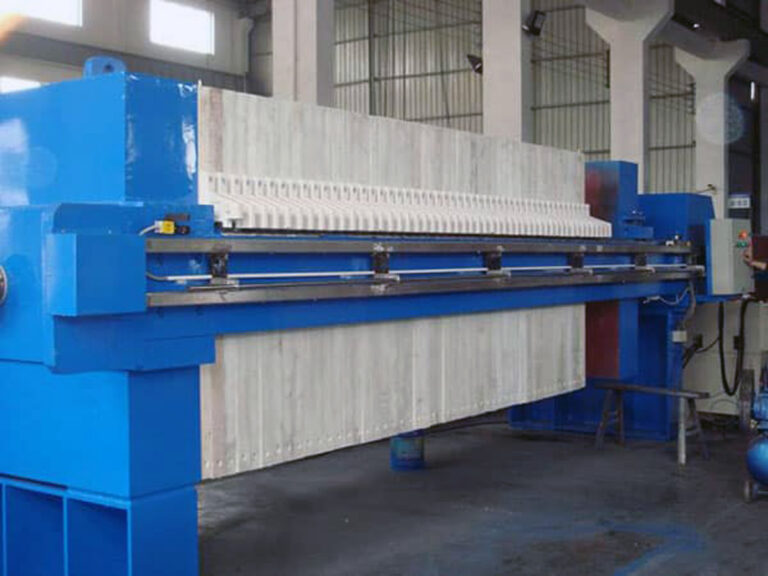
The industry is shifting from passive, land-intensive pond systems to active mechanical water management. This is driven by regulatory pressure and water scarcity. Following primary classification with thickeners and filter presses allows for near-total water recovery and the production of a dry cake for easier disposal or reuse, future-proofing operations against tightening environmental standards.
Leveraging Data for Adaptive Control
The sensor foundation used for pressure control (flow meters, density gauges, pressure transducers) provides the data for broader system optimization. The next frontier is using this data in adaptive control loops that self-optimize pump speed and valve positions based on real-time feed conditions, pushing efficiency closer to theoretical maximums.
The priority is stabilizing hydrocyclone feed pressure through VFD control—this is the foundation of both performance and efficiency. Next, evaluate the economic trade-off of finer particle recovery against the quantified energy cost, using your material’s specific gravity for accurate analysis. Finally, design with integration in mind, viewing the hydrocyclone not as an isolated unit but as the first stage in a closed-loop resource recovery system.
Need professional guidance to optimize your stone slurry treatment system’s pressure and energy profile? The engineers at PORVOO specialize in designing integrated solutions that balance separation efficiency with operational cost. Contact Us to discuss a system audit or custom design for your plant.
Frequently Asked Questions
Q: What is the most critical factor for achieving target particle separation in a hydrocyclone?
A: Maintaining a precise pressure drop across the unit is the essential driver for separation efficiency. This differential creates the centrifugal force that classifies particles, directly controlling the cut point where material splits between underflow and overflow. This means you must prioritize a stable, controlled feed pressure over simply maximizing raw pump power to meet your recovery and product specifications consistently.
Q: How do you select and control a feed pump for a stone slurry hydrocyclone system?
A: You need a centrifugal slurry pump with abrasion-resistant materials to deliver the required feed pressure, typically 15 to 80 psi for stone applications. The key strategy is to install a Variable Frequency Drive (VFD) controlled by a real-time pressure transducer at the cyclone inlet to maintain a constant setpoint. For projects where lifecycle energy cost is a major constraint, consider vertical seal-less pump designs which can offer a 15-30% efficiency advantage over traditional horizontal models.
Q: What operational trade-off is involved when recovering finer particles from slurry?
A: Recovering finer materials requires generating greater centrifugal force, which is achieved by operating the hydrocyclone at a higher feed pressure. This increase directly raises the pump’s energy consumption. If your operation requires recovering particles down to 38 microns, you must balance the value of that recovered product against the significant rise in operational energy costs.
Q: What are the best practices for diagnosing poor separation or fine particle loss?
A: Start diagnosis by verifying the pump’s feed pressure and flow rate against your target, then inspect the hydrocyclone for mechanical wear. A key visual indicator is the underflow discharge; a solid “sausage” stream signals correct operation, while a lazy, watery flow indicates poor separation due to incorrect pressure or slurry density. This means your operators should be trained to use this simple visual check for immediate system health assessment.
Q: How can you optimize the total energy consumption of a hydrocyclone system?
A: Focus on minimizing the total dynamic head the feed pump must generate. This involves right-sizing the cyclone cluster for your plant’s flow, optimizing pipeline layout to reduce friction losses, and operating the pump near its Best Efficiency Point using VFD control. Feeding slurry at a consistent, optimal solids density (typically 25-35% by weight) is also crucial, as overly dilute or dense feed wastes energy. For facilities with high throughput, integrated system design expertise is critical to avoid the high costs of mismatched equipment.
Q: Are there industry standards governing hydrocyclone design for mineral processing applications?
A: Yes, equipment design and performance for applications like stone slurry treatment are guided by industry standards such as JC/T 2568-2020 Hydrocyclone for building materials industry. This standard specifies technical requirements, test methods, and classification rules. This means when specifying or procuring cyclones, you should ensure vendor offerings comply with relevant standards to guarantee baseline performance and reliability.
Q: What integrated approach improves both cost-effectiveness and sustainability in slurry treatment?
A: Combining hydrocyclones with high-frequency dewatering screens creates a highly effective system. The hydrocyclone classifies fines, and the screen dewaters the underflow, achieving material moisture as low as 12-14% while recovering saleable sand from process water. This means facilities aiming to reduce pond volume and freshwater consumption should evaluate this integrated design to convert waste into product and close the water loop.