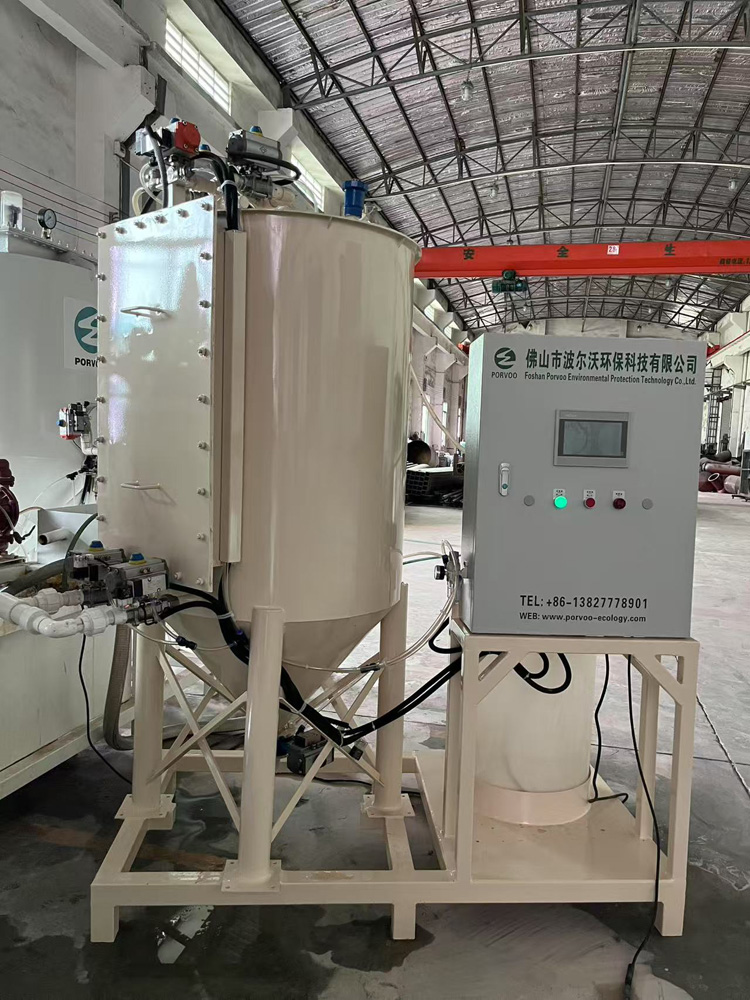
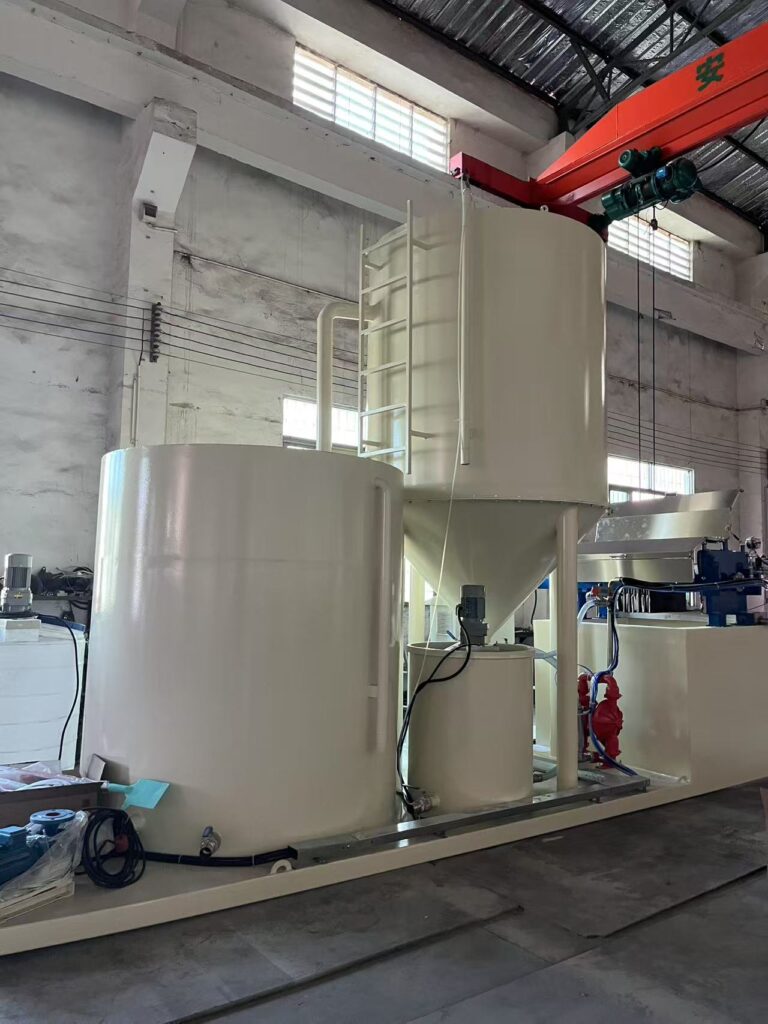
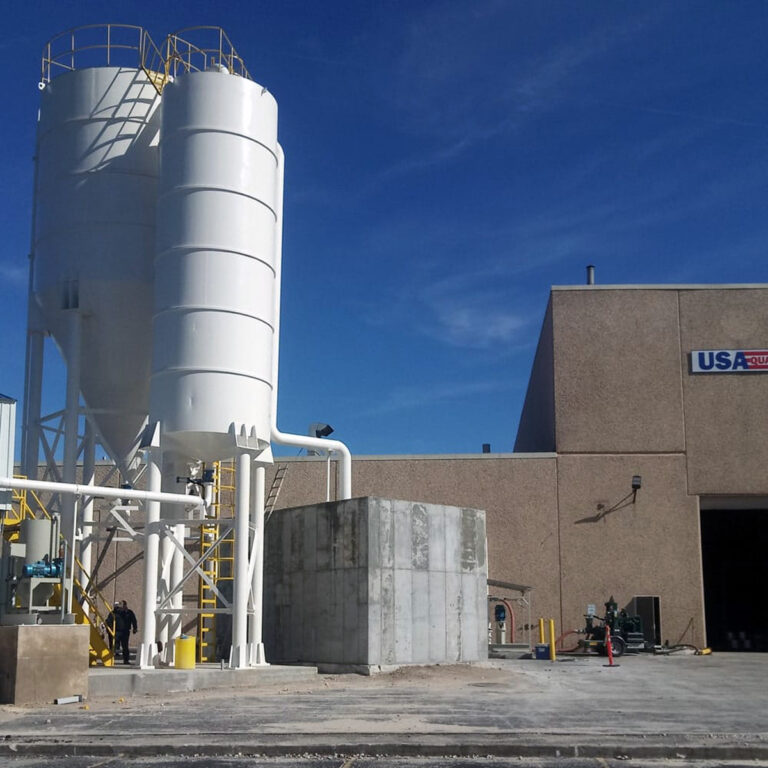
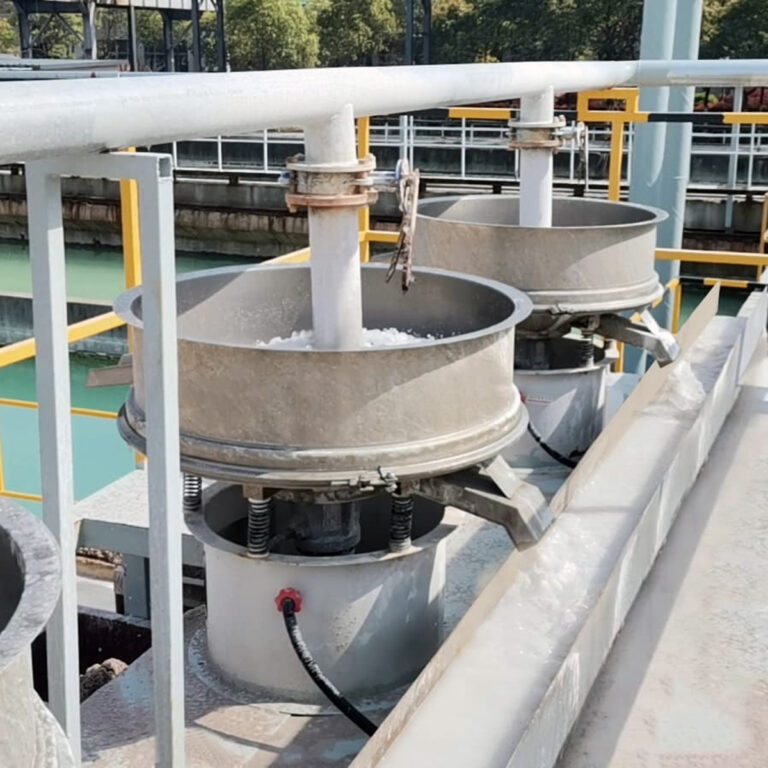
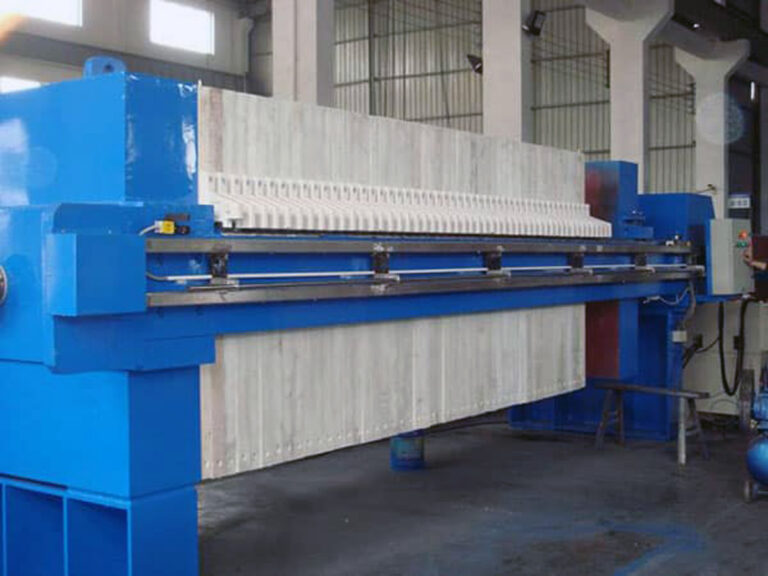
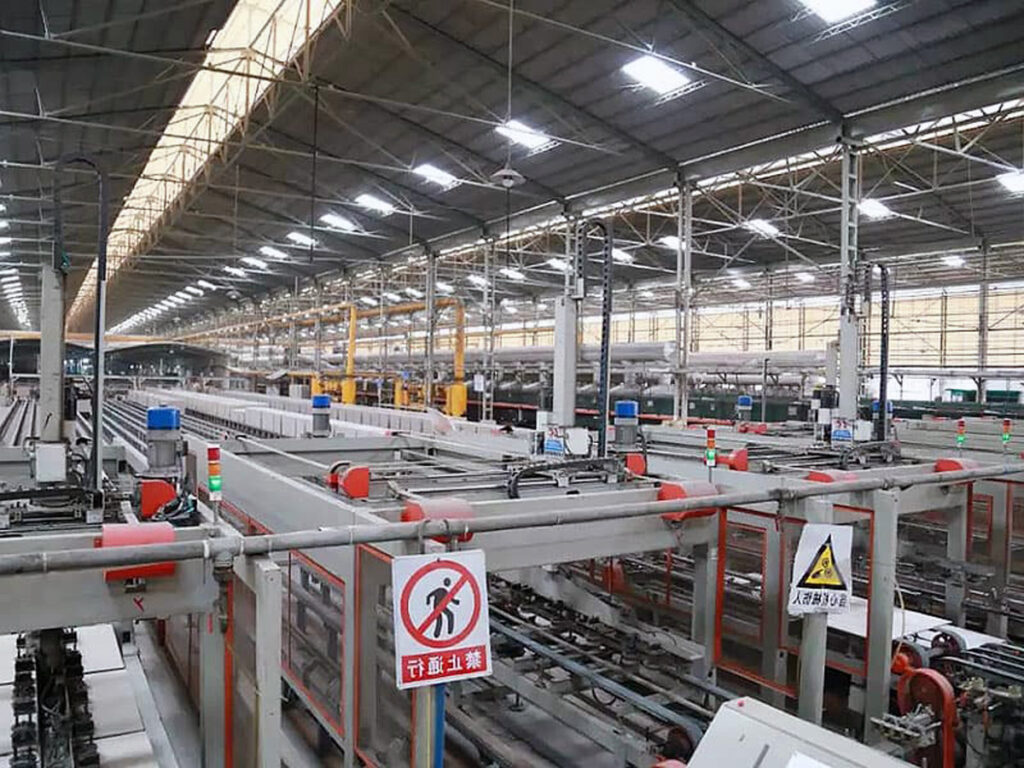
For tile plant managers, the decision between compact silo systems and traditional clarifier tanks is a critical operational pivot. The choice directly impacts capital expenditure, long-term operating costs, and the plant’s ability to scale. A common misconception is that this is a simple cost-versus-space trade-off. The reality involves a complex evaluation of lifecycle performance, operational resilience, and strategic positioning.
The intensifying pressure on industrial land use and environmental compliance makes this analysis urgent. Modern tile production demands wastewater solutions that deliver consistent effluent quality without sprawling infrastructure. Selecting the wrong system can lock a plant into high labor costs, unpredictable performance, and future regulatory vulnerability. This decision defines operational efficiency for years.
Core Differences: Compact Silo Systems vs. Traditional Clarifiers
Defining the Design Philosophies
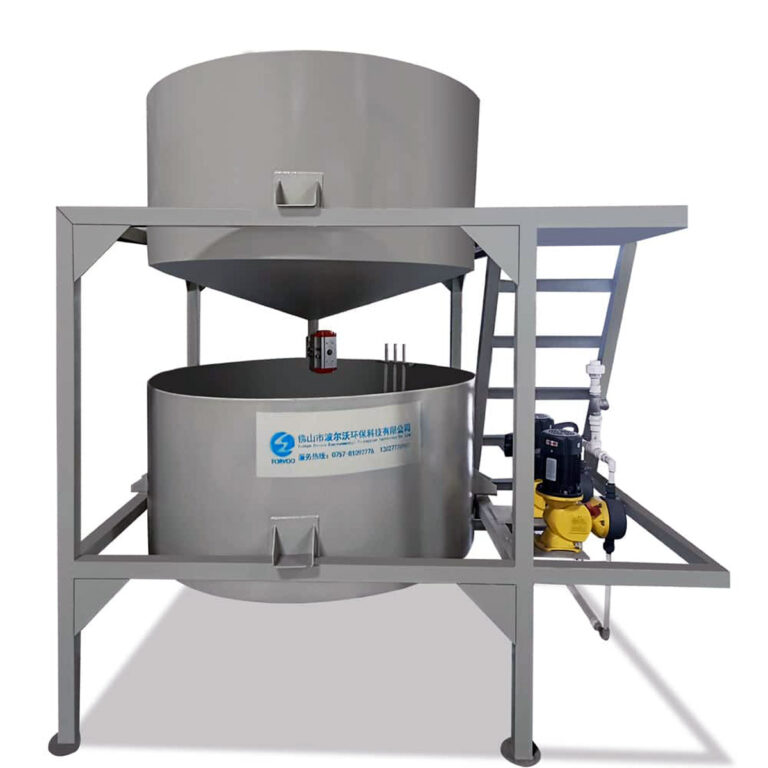
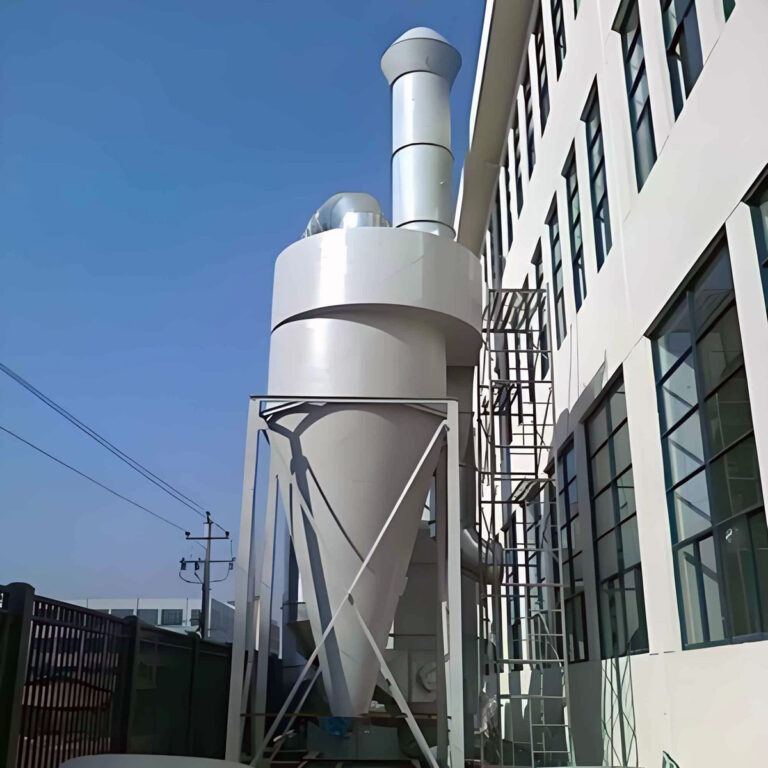
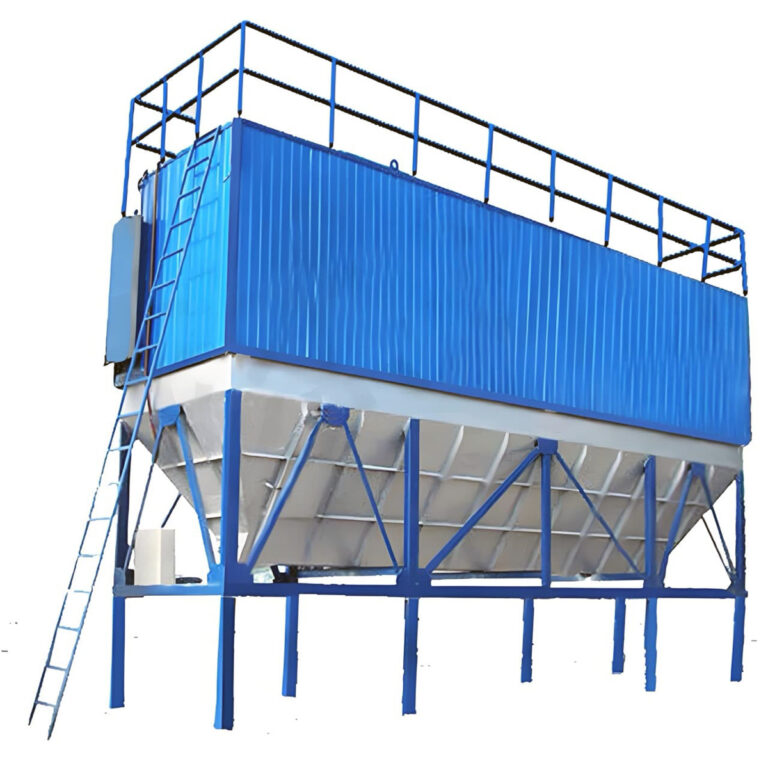
Traditional clarifiers operate on a passive, gravity-driven principle. They require large surface areas and extended retention times for solids to settle. Their design is relatively simple, relying on volume and time. Compact silo systems adopt an active, engineered approach. They use vertical density and often incorporate mechanical aids like lamella plates or dissolved air flotation to accelerate separation. The core difference is a fundamental trade-off between passive simplicity and active efficiency.
The Engineering Trade-Off: Space vs. Complexity
Minimizing physical footprint intensifies internal complexity. The compact silo’s vertical design shifts engineering challenges inward, demanding sophisticated solutions for fluid dynamics, sludge removal, and structural support within a confined space. This is not merely a smaller tank; it is a high-density processing unit. The clarifier’s large footprint, in contrast, allows for more straightforward, albeit slower, separation processes. Industry experts recommend evaluating your team’s capacity to manage this increased technical complexity before committing to a silo system.
Strategic Implications for Plant Design
This choice influences the entire plant layout. A traditional clarifier often dictates the plant’s wastewater area, consuming valuable real estate that could be used for production or storage. A compact silo system enables vertical integration, freeing up ground-level space. The strategic implication is clear: silos support densification and modular expansion, aligning with modern industrial trends toward compact, multi-story facility designs. We compared installation blueprints and found silo systems often integrate directly into process buildings, reducing external piping and thermal loss.
Cost Comparison: Capital, Operating, and Total Cost of Ownership
Analyzing Initial Capital Expenditure (CAPEX)
At first glance, traditional clarifiers present a lower capital cost. Their construction involves simpler civil works—large concrete basins—with minimal mechanical components. Compact silo systems require a higher upfront investment in precision-fabricated modules, specialized pumps, advanced sensors, and automated control panels. This initial cost disparity is the primary hurdle for many plants. However, focusing solely on CAPEX provides an incomplete and often misleading financial picture.
The Reality of Long-Term Operating Expenses (OPEX)
The operational cost profile reveals the silo system’s advantage. Automated sludge removal, precise chemical dosing, and optimized pumping sequences drastically reduce manual labor and energy consumption per cubic meter treated. Traditional clarifiers incur higher ongoing costs for manual sludge handling, frequent weir cleaning, and the energy required to move water across large, open areas. Easily overlooked details include the cost of lost production materials in open tanks and potential environmental fines from inconsistent effluent.
Total Cost of Ownership Over the Lifecycle
A comprehensive TCO analysis over a 10-15 year horizon is essential for justification. The higher initial CAPEX of a silo system is typically offset by sustained OPEX savings. According to industry financial models, the break-even point often occurs within 5-7 years for high-throughput plants.
| Cost Component | Traditional Clarifier | Compact Silo System |
|---|---|---|
| Capital Expenditure (CAPEX) | Lower initial cost | Higher initial investment |
| Operating Expense (OPEX) | Higher labor & energy | Lower automated operation |
| Total Cost of Ownership (TCO) | Higher over 10-15 years | Lower lifecycle cost |
| Key Financial Justification | Simpler construction | Sustained operational savings |
Source: Technical documentation and industry specifications.
This table underscores the strategic financial argument: the investment shifts from civil infrastructure to intelligent, efficiency-generating technology.
Performance & Capacity: Throughput and Efficiency Compared
Mechanisms Dictating Output Speed
Performance divergence starts with the core separation mechanism. Gravity settling in clarifiers is slow and highly dependent on particle size and inflow consistency. Compact silos employ high-rate processes like lamella settling, which provides a large effective settling area in a small volume, or dissolved air flotation, which actively removes suspended solids. This allows silo systems to process a given volume of wastewater significantly faster, increasing overall plant throughput.
Consistency of Effluent Quality
For tile plants, consistent glaze and clay recovery depends on predictable water quality. Traditional clarifiers struggle with fluctuating influent, leading to variable effluent that can disrupt downstream recycling processes. The controlled, engineered environment of a compact silo system, with automated feedback loops, delivers remarkably consistent output. In my experience auditing plant performance, this consistency is the most frequently cited operational benefit of silo systems, directly reducing product variability.
Planning for True Processing Capacity
A critical mistake is sizing a silo system based on static storage volume. Its capacity is defined by dynamic flow analysis—the rates of feed pumps, mixers, and discharge mechanisms. Each modular unit must be engineered to handle peak flow without creating a bottleneck.
| Performance Metric | Traditional Clarifier | Compact Silo System |
|---|---|---|
| Primary Mechanism | Gravity settling | Lamella plates / DAF |
| Throughput Speed | Slower, variable | Higher, more consistent |
| Effluent Quality | Variable with influent | Consistent, high-quality |
| Capacity Planning Basis | Static storage volume | Dynamic flow analysis |
Source: Technical documentation and industry specifications.
This table highlights that capacity planning requires different methodologies for each system, with silos demanding a more detailed process engineering approach.
Space Requirements and Physical Footprint Analysis
Quantifying the Land Use Advantage
The most tangible benefit of a compact silo system is radical footprint reduction. It typically requires less than 25% of the land area of an equivalent-capacity traditional clarifier. This vertical integration is a direct solution for space-constrained brownfield sites or regions with high land costs. The freed space can be reallocated to revenue-generating activities like raw material storage or additional production lines.
The Internalization of Design Challenges
This space savings comes with a caveat. Minimizing external footprint internalizes complexity. Engineers must solve problems like efficient sludge hopper design, access for maintenance within a narrow column, and managing high structural loads in a small base area. The design shifts from managing a large, simple basin to orchestrating a dense, multi-process vessel. According to research on high-density systems, this often necessitates more advanced materials and fabrication techniques.
The Non-Negotiable Need for Buffer Capacity
Right-sizing requires intentional buffer capacity. Eliminating all excess volume to minimize footprint introduces severe operational risk. Plants must incorporate design margins—slightly oversized modules or dedicated buffer hoppers—to handle inflow surges or maintenance cycles without system failure.
| Footprint Aspect | Traditional Clarifier | Compact Silo System |
|---|---|---|
| Land Area Required | Large, open area | <25% of clarifier area |
| Design Philosophy | Passive, land-intensive | Active, vertical density |
| Key Engineering Challenge | Large surface area | Internal complexity management |
| Critical Design Factor | Retention time | Intentional buffer capacity |
Source: GB/T 50378-2019 Assessment standard for green building. This standard governs the overall environmental assessment of facilities, where the radical footprint reduction of compact silo systems directly contributes to higher resource conservation and land-use efficiency scores critical for green building certification.
This footprint advantage is not just operational but also strategic, supporting sustainability certifications like GB/T 50378-2019.
Maintenance, Staffing, and Operational Complexity
Shifting the Nature of Maintenance
Operational profiles diverge sharply. Traditional clarifier maintenance is physical and periodic: manual sludge raking, scum removal, and concrete repair. It demands routine labor but less specialized training. Maintenance for a compact silo system is more technical and predictive. It focuses on calibrating level sensors, servicing mechanical seals on pumps, validating automated valve sequences, and updating control software. The workforce skill set must evolve accordingly.
Staffing for Technical Management vs. Manual Labor
A clarifier system may require more personnel hours, but those hours are filled with manual tasks. A silo system reduces total labor hours but requires higher-skilled technicians or engineers capable of system diagnostics and software management. The plant must assess its in-house capability to support an automated industrial appliance. Vendor selection becomes critical, as ongoing support for the proprietary control system is a key component of long-term reliability.
The Central Role of Control Software
The system’s intelligence and reliability are increasingly embedded in software. Predictive maintenance algorithms, IoT-enabled performance monitoring, and remote diagnostics are standard features of advanced compact wastewater treatment systems. This software layer is what transforms the hardware from a simple vessel into a responsive processing unit.
| Operational Factor | Traditional Clarifier | Compact Silo System |
|---|---|---|
| Primary Labor Need | Manual sludge removal | Technical system calibration |
| Maintenance Focus | Physical cleaning | Instrument & component servicing |
| Workforce Skill | Routine oversight | Diagnostics & software management |
| System Reliability Basis | Simple mechanical design | Proprietary control algorithms |
Source: Technical documentation and industry specifications.
This shift redefines operational readiness, making software support and digital literacy as important as mechanical spare parts.
Which System Is Better for High-Solids Waste Streams?
Handling Dense, Abrasive Particulates
Tile plant wastewater, laden with clay, glaze frits, and abrasive silica, presents a challenging high-solids stream. Compact silo systems are generally superior for this duty. Their enclosed, often pressurized design allows for more effective handling of dense sludges and precise chemical conditioning for coagulation. Traditional clarifiers can experience short-circuiting and require very frequent desludging to prevent blanket buildup, risking overflow during production surges.
The Modular Advantage for Scaling and Redundancy
The modular nature of silo systems offers flexibility. Capacity can be increased by adding parallel units, and redundancy is built-in more easily than with a single, large clarifier tank. This is crucial for plants with expanding production lines or those that cannot afford downtime for wastewater system maintenance. The ability to isolate and service one module while others remain operational is a significant reliability benefit.
The Critical Precondition: Feed Consistency
A high-performance processing system demands a consistent feed. The efficiency of a compact silo is dependent on a relatively stable inflow rate and solids loading. Investing in this advanced downstream system may necessitate parallel investment in upstream equalization tanks or process control to smooth out fluctuations from the production floor. This systems-thinking approach is non-negotiable; the best separator cannot compensate for wildly variable input.
Key Decision Criteria for Tile Plant Wastewater Systems
Evaluating Primary Constraints: Land, Budget, Flow
The selection process starts with hard constraints. Available land area is often the primary driver. Capital budget flexibility determines if a lifecycle TCO argument can be accepted. Technical analysis of influent characteristics—peak solids concentration, flow variability, temperature, and pH—defines the required system robustness. The required effluent quality, whether for direct discharge or internal recycling, sets the performance bar.
Assessing Strategic and Operational Factors
Beyond technical specs, strategic criteria are vital. What is the plant’s tolerance for operational complexity? Does in-house expertise align with an automated system’s needs? What are the future expansion plans? Furthermore, the regulatory trajectory must be considered. Compact, contained silo systems offer better future-proofing against tightening regulations on water reuse, zero liquid discharge, and land use, as reflected in standards like GB/T 50378-2019.
The Interdependence of Criteria
These criteria are not independent. A limited capital budget but ample land might push a decision toward a traditional clarifier, accepting higher long-term OPEX. Conversely, a space-constrained site with technical staff and a strategic focus on automation and sustainability strongly favors a silo system. The decision matrix must weight these factors according to the plant’s unique operational philosophy and strategic goals.
Making the Final Choice: A Selection Framework for Your Plant
Conduct a Site-Specific Lifecycle Analysis
Begin with a detailed, 15-year Total Cost of Ownership model. Incorporate all cost insights: the upfront automation package, the value of intentional buffer capacity, and projected savings from reduced labor and energy. This financial model provides the objective foundation for the decision, moving the conversation beyond initial price tags.
Audit Internal Capabilities and Vendor Ecosystems
Honestly assess your team’s ability to operate and maintain an advanced system. Then, evaluate potential vendors not just on hardware durability, but on their control software’s usability, their IoT platform’s capabilities, and the quality of their technical support and training services. The vendor becomes a long-term technology partner.
Implement a Phased Decision Process
Frame the final choice as a phased process: 1) Validate financial justification via TCO. 2) Confirm technical suitability via pilot testing or detailed case studies from similar tile plants. 3) Secure operational buy-in by involving maintenance and process teams in vendor demonstrations. 4) Make the strategic selection aligned with the plant’s long-term vision for efficiency and compliance.
The choice between a compact silo system and a traditional clarifier is a definitive investment in your plant’s future operational model. Prioritize lifecycle cost over initial price, match system complexity to in-house expertise, and select a technology partner whose support extends beyond installation. The right system delivers not just compliance, but a tangible competitive advantage through recovered resources, stable production, and resilient operations.
Need professional analysis for your tile plant’s specific wastewater challenges? The engineering team at PORVOO can provide a detailed footprint and TCO comparison based on your flow data and site constraints.
Frequently Asked Questions
Q: How do you accurately size a compact silo system for a tile plant’s wastewater flow?
A: Sizing must use dynamic flow analysis, not static storage volume. The limiting factor is the processing rate of pumps, mixers, and discharge mechanisms, not the silo’s physical capacity. Each modular unit must be engineered to prevent bottlenecks in the overall sequence. For projects where flow is highly variable, plan for intentional buffer capacity within the system to ensure stability, as eliminating all excess volume introduces severe operational risk.
Q: What is the real financial comparison between a compact silo and a traditional clarifier?
A: While traditional clarifiers have lower initial capital costs, compact silo systems deliver a superior total cost of ownership over 10-15 years. The higher upfront investment in automation and precision modules is offset by sustained savings from reduced labor, lower energy use, and minimized material loss. This means facilities with long-term operational horizons and budget flexibility should prioritize a lifecycle TCO analysis to justify the initial CAPEX for silos.
Q: Which system is more effective for tile plants with high-solids glaze and clay waste streams?
A: Compact silo systems are generally superior for dense, abrasive particulates. Their enclosed, pressurized design allows for precise chemical dosing and effective handling of rapid-settling sludges, whereas traditional clarifiers risk overflow and require frequent manual desludging. However, the silo’s efficiency depends on a consistent feed quality. If your operation requires a silo, you must also invest in upstream process control to mitigate raw wastewater variability.
Q: How does operational staffing and maintenance differ between the two system types?
A: Traditional clarifiers demand routine manual labor for sludge removal and cleaning. Compact silo systems automate these tasks but require technicians skilled in calibrating sensors, servicing mechanical components, and managing proprietary control software. This means facilities choosing a silo must invest in training for system diagnostics and software management, as the hardware’s reliability is contingent on its integrated automation and predictive algorithms.
Q: Does choosing a compact silo system support compliance with green building standards?
A: Yes, the radical footprint reduction and contained operation of a silo system directly contribute to resource conservation and environmental protection goals. These factors are assessed within comprehensive sustainability frameworks like the GB/T 50378-2019 Assessment standard for green building. For tile plants seeking green certification, selecting a compact silo can be a strategic decision that aligns the wastewater treatment system with the facility’s overall environmental performance objectives.
Q: What are the key non-technical criteria for selecting a wastewater system vendor?
A: Beyond hardware specifications, evaluate vendors on their control software’s capability, IoT integration for remote monitoring, and the depth of their technical support services. The system’s long-term value increasingly depends on proprietary software and predictive maintenance tools. This means your selection process should prioritize partners who offer robust digital ecosystems and service agreements, treating the physical system as a standardized industrial appliance supported by advanced software.
Q: How do space constraints fundamentally change the engineering approach for a silo system?
A: Minimizing the physical footprint intensifies internal complexity. The compact, vertical design shifts challenges inward, requiring advanced solutions for sludge removal mechanics, structural load density, and maintenance access within a confined space. For projects with severe land limitations, expect to allocate more engineering effort and cost to solving these internal fluid dynamics and material handling problems, rather than to the civil works required for a large clarifier basin.