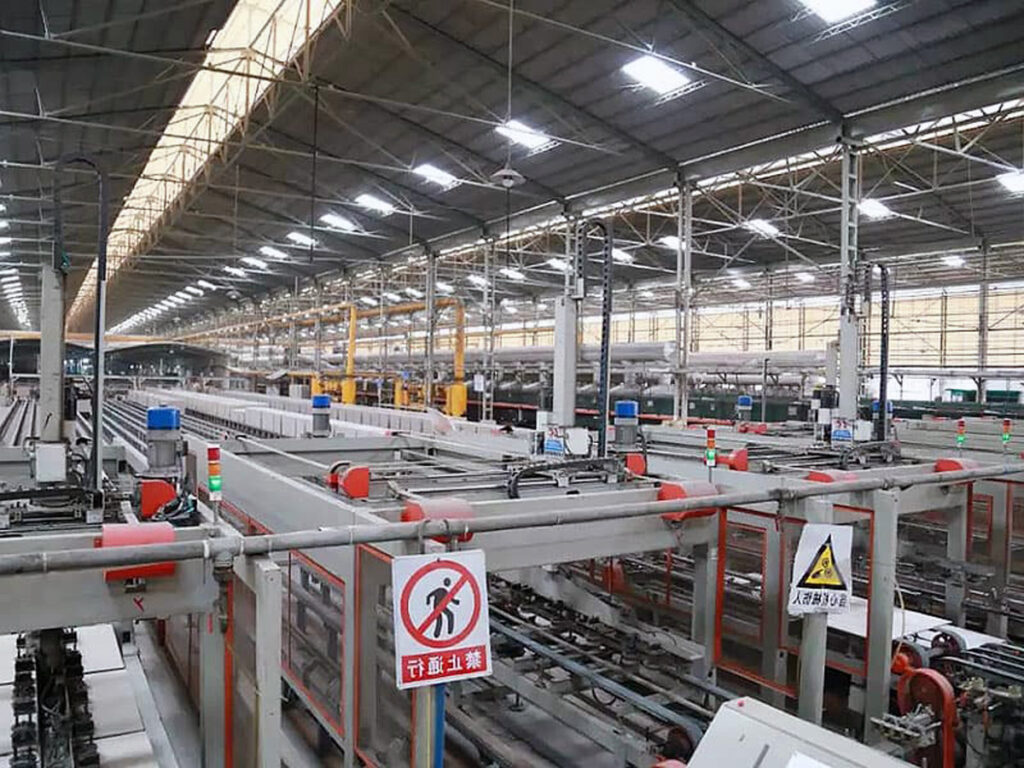
Industrial environments generate countless contaminants daily—from microscopic particles in semiconductor manufacturing to chemical residues in pharmaceutical production. Without effective filtration, these contaminants threaten product quality, worker safety, and regulatory compliance. Manufacturing facilities worldwide lose millions annually due to contamination-related shutdowns, product recalls, and equipment failures.
The consequences extend beyond immediate financial losses. Poor filtration leads to accelerated equipment wear, increased maintenance costs, and potential environmental violations. In critical industries like food processing or medical device manufacturing, inadequate filtration can trigger costly regulatory investigations and damage brand reputation permanently.
This comprehensive guide explains industrial filter systems technology, operational processes, and selection criteria. You’ll discover how different filtration mechanisms work, compare system performance metrics, and learn to optimize filtration processes for your specific applications. PORVOO brings decades of filtration expertise to help you understand these complex systems.
What Are Industrial Filter Systems?
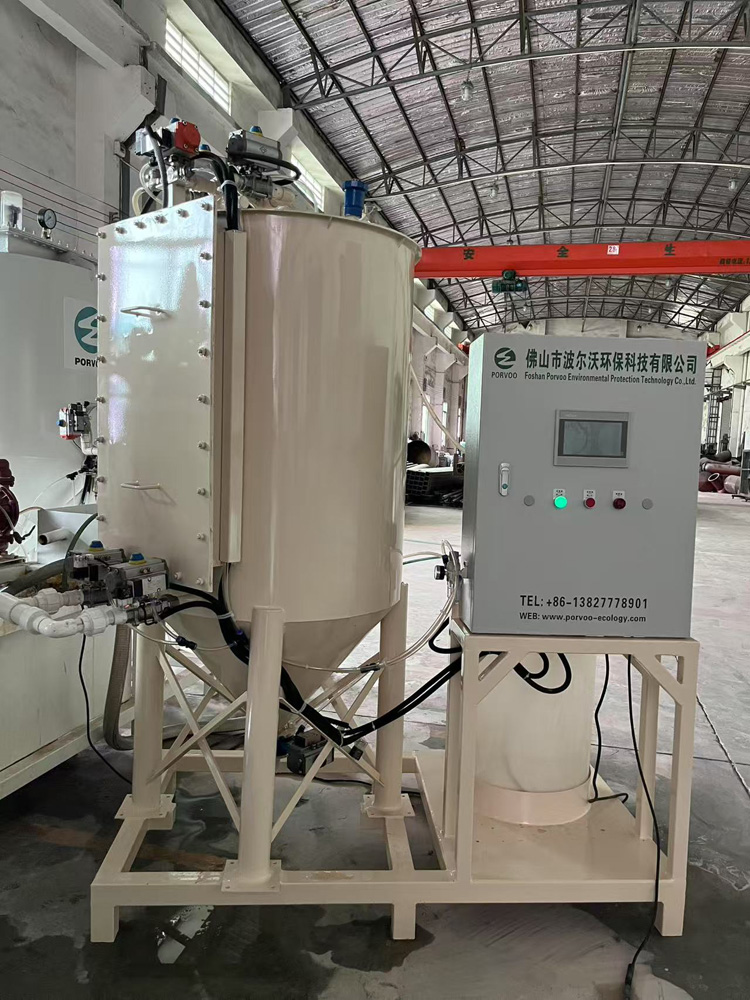
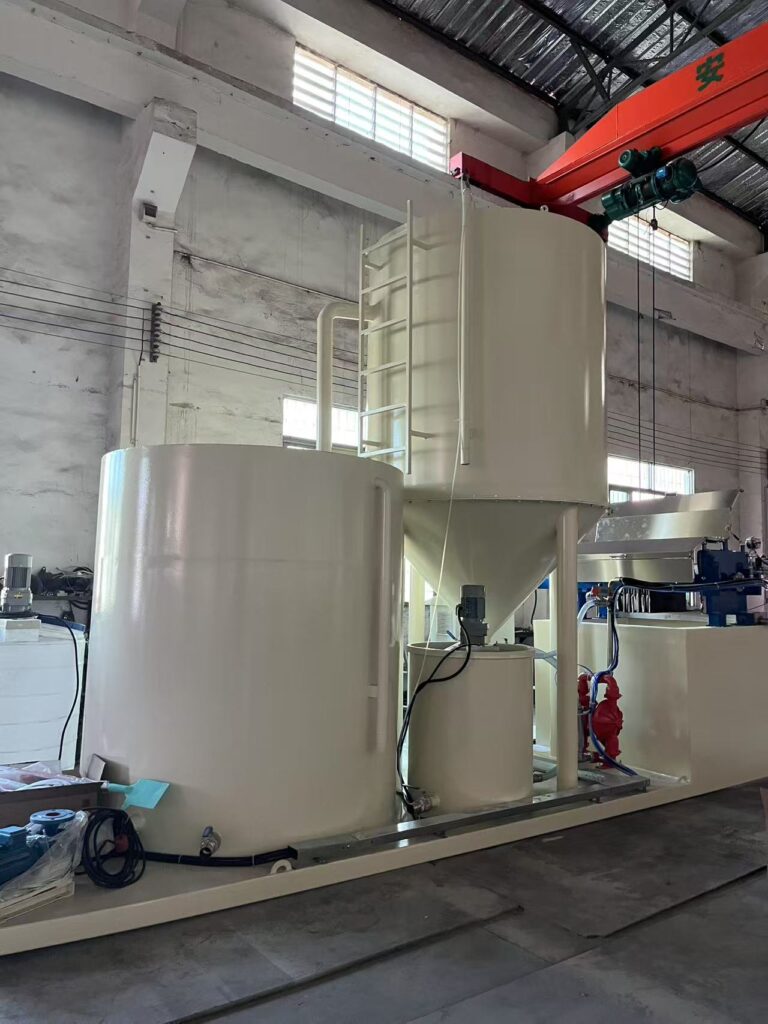
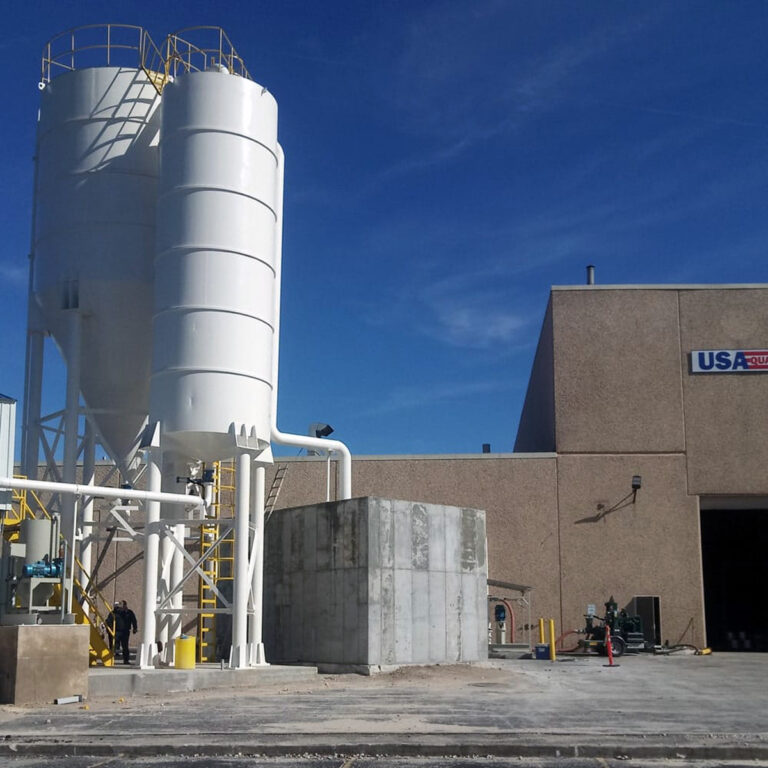
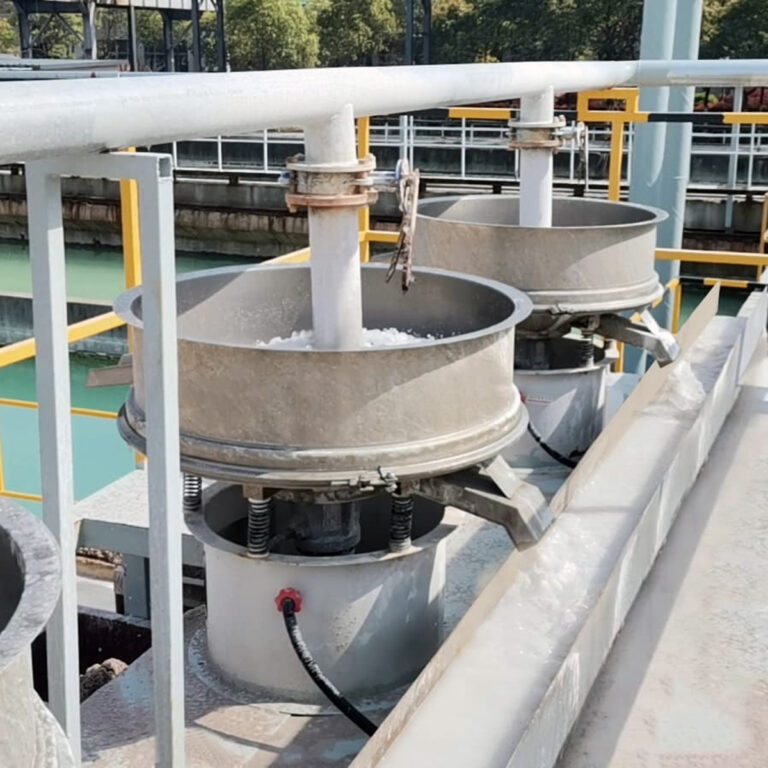
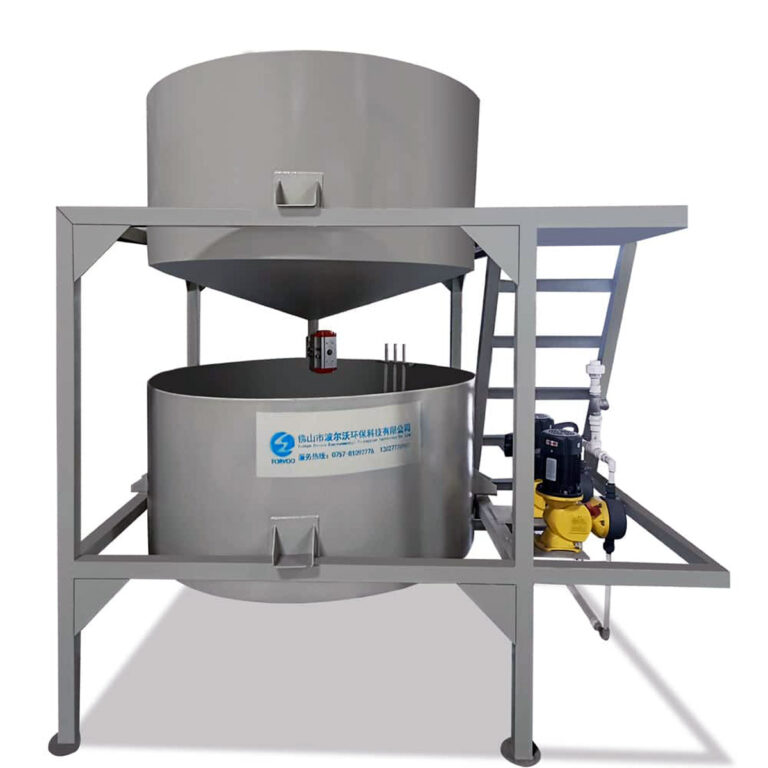
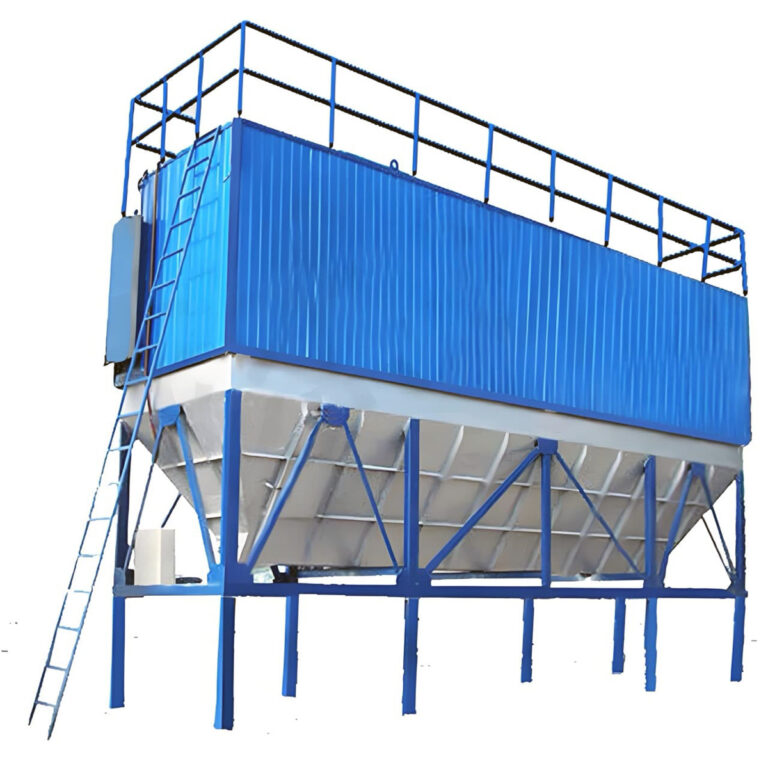
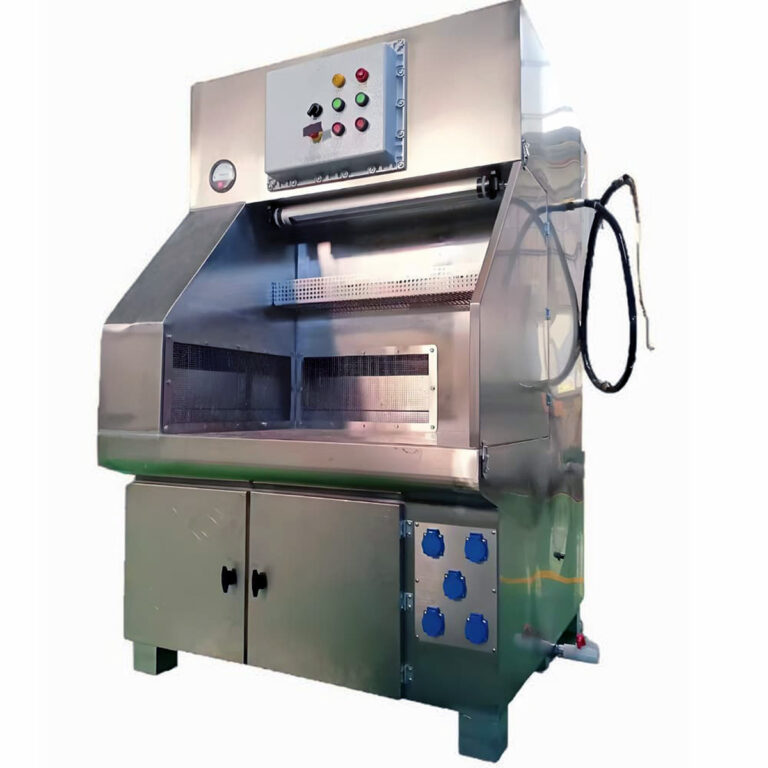
Industrial filter systems represent sophisticated engineering solutions designed to remove contaminants from liquids, gases, and process streams in manufacturing environments. These systems combine mechanical components, control technologies, and filtration media to achieve precise separation of unwanted particles, chemicals, or biological materials.
Components and Core Functionality
Modern industrial filtration systems integrate multiple subsystems working in synchronization. The primary filtration chamber houses specialized media—ranging from pleated fabric filters capturing 0.3-micron particles to ceramic membranes achieving 99.97% efficiency ratings. Pressure monitoring systems maintain optimal flow rates between 10-500 GPM depending on application requirements.
Control systems utilize programmable logic controllers (PLCs) managing automated backwash cycles, differential pressure monitoring, and alarm functions. These controllers process real-time data from flow meters, pressure sensors, and particle counters to optimize system performance continuously.
| Component Type | Function | Typical Specifications |
|---|---|---|
| Filtration Media | Primary contaminant removal | 0.1-100 micron ratings |
| Pressure Systems | Flow control and monitoring | 15-150 PSI operating range |
| Control Units | Automated operation management | PLC-based with HMI interface |
| Housing Systems | Media protection and containment | Stainless steel, ASME certified |
Types of Industrial Filtration Systems
Mechanical filtration systems dominate industrial applications, utilizing physical barriers to capture particles through size exclusion. Bag filters handle high-volume applications processing 50-5000 GPM, while cartridge systems provide precision filtration for sensitive processes requiring 99.9% particle removal efficiency.
Membrane filtration technologies offer molecular-level separation capabilities. Reverse osmosis systems achieve 99.5% contaminant rejection rates, making them essential for pharmaceutical and electronics manufacturing. Ultrafiltration membranes operate at lower pressures while maintaining 0.01-0.1 micron separation precision.
How Do Industrial Filter Systems Work?
The filtration process begins when contaminated fluid enters the system through inlet manifolds designed to distribute flow evenly across filtration media. Industrial filtration technology operates on multiple physical principles working simultaneously to achieve comprehensive contaminant removal.
Filtration Mechanisms and Physics
Mechanical straining provides the primary separation mechanism, where particles larger than media pore size are physically blocked. However, advanced systems also utilize depth filtration, where particles penetrate media structure and become trapped through tortuous path navigation.
Electrostatic attraction plays a crucial role in fine particle capture. Charged filtration media attracts oppositely charged contaminants, enabling removal of particles significantly smaller than nominal pore ratings. This mechanism proves particularly effective for removing sub-micron particles in clean room applications.
In our experience working with pharmaceutical manufacturers, combining multiple filtration mechanisms increases overall system efficiency by 15-25% compared to single-mechanism systems. The synergistic effect proves especially valuable when processing complex waste streams containing diverse contaminant types.
Flow Dynamics and Pressure Systems
Proper flow management determines filtration effectiveness and media longevity. Systems maintain laminar flow conditions through carefully engineered internal geometry, preventing channeling that reduces contact time between contaminants and filtration media.
Differential pressure monitoring serves as the primary performance indicator. Clean systems typically operate at 2-5 PSI differential, while media replacement becomes necessary when differential reaches 15-25 PSI depending on application requirements.
“Optimal filtration occurs when flow velocity, pressure differential, and media selection work in perfect harmony. Any imbalance reduces efficiency and increases operating costs,” notes Dr. Sarah Chen, Industrial Filtration Engineer at Advanced Separation Technologies.
Cross-flow filtration systems circulate fluid tangentially across membrane surfaces, preventing cake formation that reduces filtration rates. These systems maintain consistent performance for extended periods, though energy consumption increases 20-30% compared to dead-end configurations.
What Types of Industrial Filtration Technologies Exist?
Mechanical Filtration Methods
Surface filtration technologies capture contaminants on media surfaces, making them ideal for applications requiring easy cleaning and media regeneration. Pleated filters maximize surface area within compact housings, achieving 8-12 square feet of filtration area per linear foot of housing length.
Depth filtration utilizes thick media structures where contaminants penetrate and become trapped throughout the media volume. This approach provides higher dirt-holding capacity—typically 2-4 times greater than surface filtration—making it cost-effective for high-contamination applications.
Advanced industrial filtration equipment combines both mechanisms through multi-stage designs. Pre-filters remove large particles through surface filtration, while downstream polishing filters provide final purification using depth filtration principles.
Chemical and Biological Filtration
Activated carbon systems excel at removing dissolved organic compounds, chlorine, and taste/odor issues. Industrial-grade carbon filters process 100-2000 GPM while maintaining 6-12 month service life depending on contamination levels.
Ion exchange systems target specific dissolved ions, achieving 95-99% removal efficiency for targeted contaminants. These systems prove essential in water treatment applications requiring precise ionic composition control.
Biological filtration utilizes living microorganisms to metabolize organic contaminants. While energy-efficient and environmentally friendly, biological systems require careful pH, temperature, and nutrient management to maintain optimal performance.
Advanced Filtration Technologies
Membrane bioreactors (MBRs) combine biological treatment with membrane separation, achieving effluent quality suitable for reuse applications. These systems reduce footprint requirements by 50-70% compared to conventional treatment methods while producing consistently high-quality effluent.
Electrocoagulation technology applies electrical current to destabilize suspended particles, making them easier to filter. This process proves particularly effective for oil-water separation and heavy metal removal, achieving 90-95% removal efficiency with minimal chemical addition.
| Technology Type | Contaminant Removal | Typical Applications | Efficiency Range |
|---|---|---|---|
| Mechanical Filtration | Suspended solids | Manufacturing, water treatment | 85-99.9% |
| Membrane Systems | Dissolved contaminants | Pharmaceutical, electronics | 95-99.97% |
| Biological Systems | Organic compounds | Wastewater treatment | 80-95% |
How Do Different Filter System Processes Compare?
Gravity-fed systems offer simplicity and low energy consumption, operating effectively at flow rates of 1-10 GPM per square foot of media area. However, these systems struggle with fine particle removal and require large footprints to achieve high flow rates.
Pressure-driven systems provide superior performance through forced flow conditions. These systems achieve 2-5 times higher flow rates per unit area while maintaining better particle removal efficiency. Energy costs increase significantly, but improved performance often justifies the additional expense.
A recent case study at a chemical manufacturing facility revealed that upgrading from gravity to pressure-driven filtration reduced water consumption by 30% while improving product quality consistency. The initial investment payback period was 18 months through reduced waste and improved efficiency.
Efficiency and Performance Comparisons
Multi-media filtration systems excel in applications requiring broad-spectrum contaminant removal. These systems achieve 95-98% turbidity removal while handling flow rates up to 10 GPM per square foot of bed area.
Single-media systems provide more predictable performance for specific contaminant types. Activated carbon systems consistently achieve 90-95% organic compound removal, while sand filters reliably remove 85-92% of suspended solids larger than 25 microns.
While pressure systems offer superior performance, maintenance complexity increases substantially. Automated backwash systems require regular calibration and monitoring, adding operational overhead compared to passive gravity systems.
What Are the Key Components of Filter System Operation?
Essential Hardware Components
Filtration vessels must withstand operating pressures while providing easy media access for maintenance. Stainless steel construction proves essential for corrosive applications, though carbon steel suffices for benign fluids with appropriate coating systems.
Media support systems distribute flow evenly while preventing media loss during backwash cycles. Properly designed underdrain systems utilize 0.5-1% of total vessel cross-sectional area for drain openings, ensuring uniform backwash distribution.
Instrumentation packages monitor critical parameters including flow rate, pressure differential, and effluent quality. Advanced systems incorporate turbidity meters, particle counters, and conductivity sensors providing real-time performance feedback.
Monitoring and Control Systems
SCADA integration enables remote monitoring and control of multiple filtration systems simultaneously. These systems reduce operator requirements while providing comprehensive data logging for regulatory compliance and performance optimization.
Predictive maintenance algorithms analyze performance trends to schedule media replacement and system maintenance proactively. This approach reduces unplanned downtime by 40-60% compared to reactive maintenance strategies.
According to recent industry data from the Water Quality Association, facilities implementing predictive maintenance report 25% lower overall filtration costs and 90% fewer emergency service calls.
How to Choose the Right Industrial Filtration Technology?
Industry-Specific Requirements
Pharmaceutical applications demand validated systems meeting FDA 21 CFR Part 11 requirements for electronic records and signatures. These systems require extensive documentation, change control procedures, and regular performance qualification testing.
Food processing facilities must comply with HACCP requirements, necessitating systems designed for easy cleaning and sanitation. Stainless steel construction, CIP compatibility, and documented cleaning validation become essential selection criteria.
Chemical processing applications require compatibility with aggressive chemicals and high temperatures. Specialized materials like Hastelloy or PTFE-lined systems may be necessary, significantly impacting system cost and complexity.
Performance Optimization Strategies
Right-sizing filtration systems prevents over-engineering while ensuring adequate capacity for peak demand periods. Systems should operate at 70-80% of maximum capacity during normal conditions, providing reserve capacity for upset conditions.
Redundant system design ensures continuous operation during maintenance periods. Parallel filtration trains allow one system to operate while the other undergoes maintenance, though capital costs increase 60-80% compared to single-train designs.
Professional filtration system design requires careful consideration of all these factors to optimize performance and minimize lifecycle costs.
Conclusion
Industrial filter systems represent critical infrastructure enabling modern manufacturing and processing operations. Understanding the fundamental principles—from mechanical straining and depth filtration to advanced membrane technologies—empowers informed decision-making when selecting and optimizing filtration solutions.
Key insights include the importance of matching filtration process selection to specific contamination characteristics, the value of multi-mechanism approaches for complex applications, and the critical role of proper system sizing and redundancy in maintaining reliable operation.
Future developments in industrial filtration technology focus on smart sensors, AI-driven optimization, and sustainable materials that reduce environmental impact while maintaining superior performance. Membrane technology continues advancing toward higher flux rates and improved chemical compatibility.
Consider your specific contamination challenges, performance requirements, and operational constraints when evaluating filtration options. Whether dealing with suspended solids, dissolved contaminants, or biological materials, the right industrial filtration solution can transform your process efficiency and product quality.
What filtration challenges is your facility currently facing, and how might these advanced technologies address your specific operational requirements?
Frequently Asked Questions
Q: What is the basic principle behind industrial filter systems and how do they work?
A: Industrial filter systems work by separating solids, contaminants, or impurities from liquids or gases through a multi-step process. Typically, the system involves passing the fluid through filter media that trap unwanted particles. The key steps include:
- Pre-filtration, which removes large debris to protect the system
- Main filtration, where smaller particles are captured via mechanical, chemical, or electrostatic means
- Post-filtration, ensuring remaining fine particles or gases are filtered out
This process improves product purity and protects downstream equipment, making industrial filtration essential for maintaining process efficiency and quality.
Q: What are the common types of industrial filters used in these systems?
A: Industrial filter systems use various filter types tailored to specific applications, including:
- Surface filters that trap particles on the surface of the media
- Depth filters that capture particles throughout the thickness of the filter material
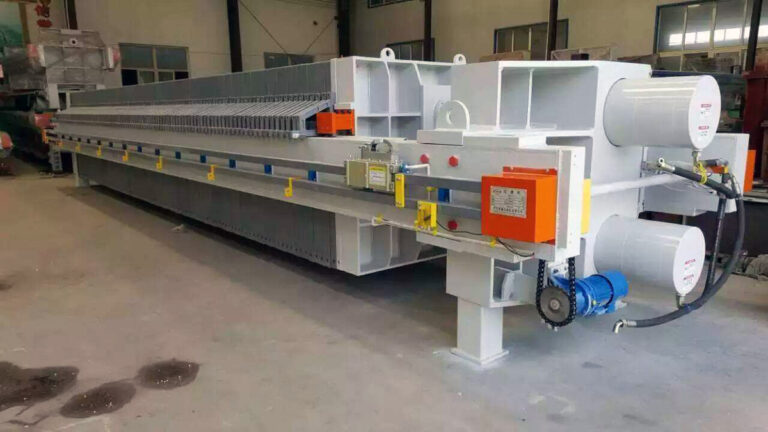
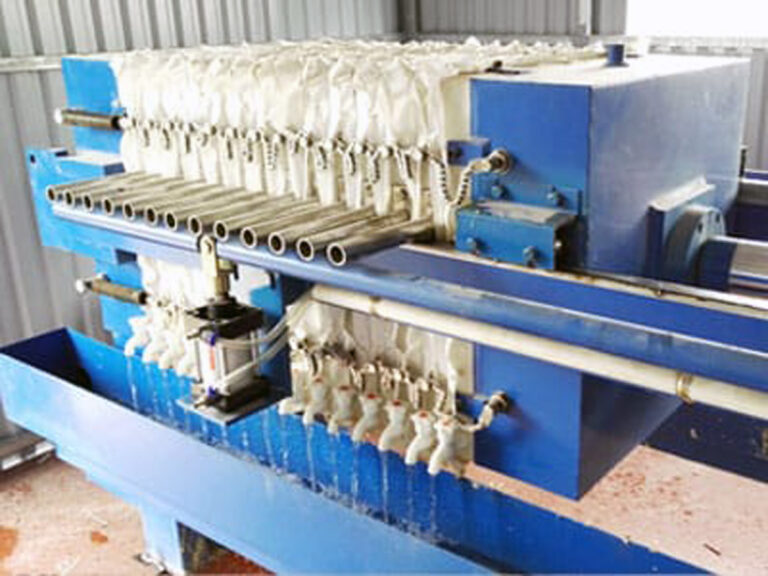
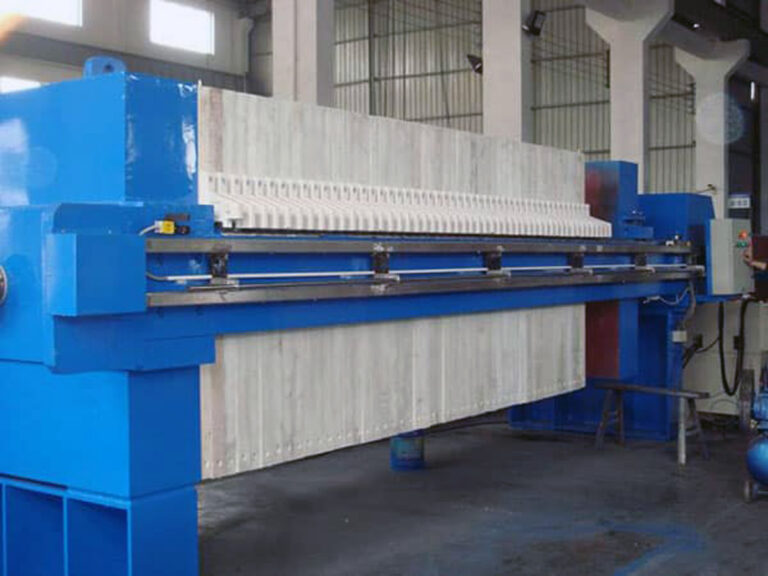
- Filter presses, which separate solids from liquids by pressing slurry through filter cloths
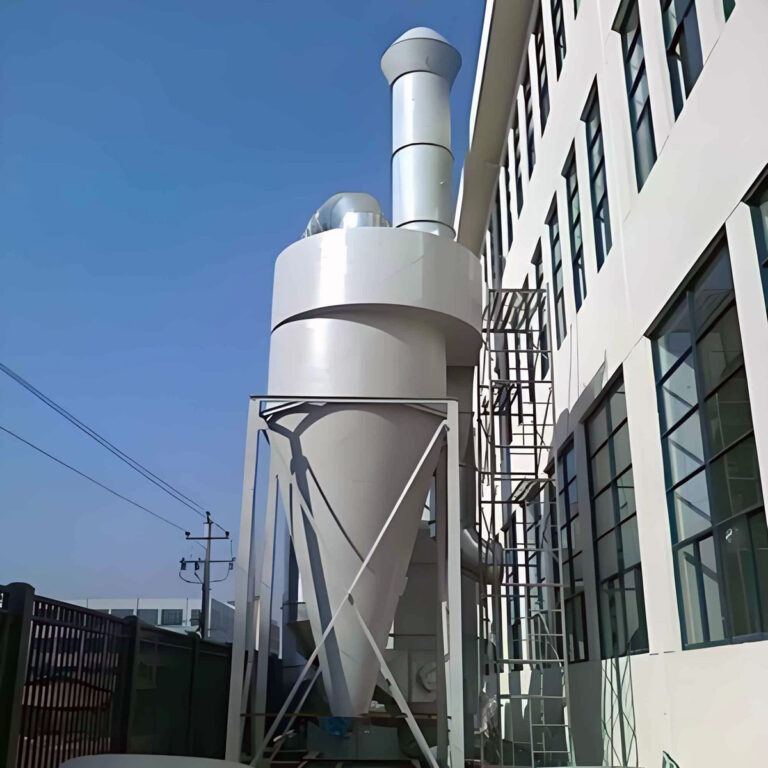
- Cyclone filters that use centrifugal force to remove particulates
- Membrane and electronic filters for highly specialized filtration needs
Each type offers unique benefits depending on the fluid being treated and the contaminants present.
Q: How does the filter press technology work in industrial filtration processes?
A: Filter press technology separates solids from liquids by pumping slurry into chambers formed by filter plates lined with filter cloth. The process involves:
- Filling the chambers with slurry, where solids begin forming a “filter cake” on the cloth
- Applying pressure to squeeze out liquid through the cloth while retaining solids
- Removing the compressed solids for disposal or further use
This method is especially effective in industries requiring efficient solid-liquid separation, such as mining, chemical production, and wastewater treatment.
Q: Why is industrial filtration important for manufacturing and environmental protection?
A: Industrial filtration ensures product quality, extends equipment life, and helps meet environmental regulations by removing contaminants and impurities. Some benefits include:
- Preventing equipment damage from particulate buildup
- Ensuring compliance with waste discharge and emissions standards
- Improving the purity of raw materials and final products
- Reducing environmental impact through cleaner processing
This makes filtration systems indispensable in sectors like pharmaceuticals, food and beverage, energy, and water treatment.
Q: What technological processes and materials are commonly used in industrial filter systems?
A: Industrial filter systems employ several advanced techniques and materials, including:
- Mechanical filtration using media like cloth, sand, or carbon
- Electrostatic or electronic filtration to remove fine particles or reduce noise
- Chemical filtration where additives help coagulate or absorb impurities
- Hydraulic and fluid filtration to protect sensitive equipment
- Membrane filtration for ultra-fine particle removal
These technologies are often combined in stages to achieve thorough and efficient purification tailored to specific industrial needs.
Q: How do industrial water filtration systems typically operate within the broader industrial filtration process?
A: Industrial water filtration systems purify water through several stages:
- Screening to remove large particles and debris
- Flocculation/coagulation where chemicals cause small particles to clump for easier removal
- Filtration through media such as sand, carbon, or specialized shells to trap finer particles
- Sometimes, additional post-filtration steps ensure water quality meets strict industry standards
These systems are crucial for processes that require clean water, such as manufacturing, cooling, or drinking water supply.
External Resources
Filter Press Filtration Process: Key Steps Explained – This resource offers a detailed breakdown of how filter press systems work in industrial applications, describing each phase of the filtration process and the technology involved.
Industrial Filtration Process: Steps, Importance, and Uses | R.P. Fedder – Provides an overview of various industrial filter systems, details on process steps, filter types, and their importance in manufacturing and processing environments.
Guide on Industrial Water Filtration Systems – Dombor Valve – Explains how industrial water filtration systems operate, including major technologies like reverse osmosis and ultrafiltration, and how these processes ensure water purity in industrial settings.
Industrial Filtration: Ensuring Efficiency in Manufacturing and Environmental Protection – Reviews how industrial filtration systems contribute to manufacturing efficiency and environmental protection by removing contaminants from fluids and gases.
What Is an Industrial Water Treatment System and How Does It Work? – Describes the steps and technologies used in industrial water treatment systems, elaborating on process design and system components.
How Industrial Filtration Improves Process Efficiency | Donaldson – Discusses the role of industrial filtration in improving process performance, equipment longevity, and product quality in diverse manufacturing operations.