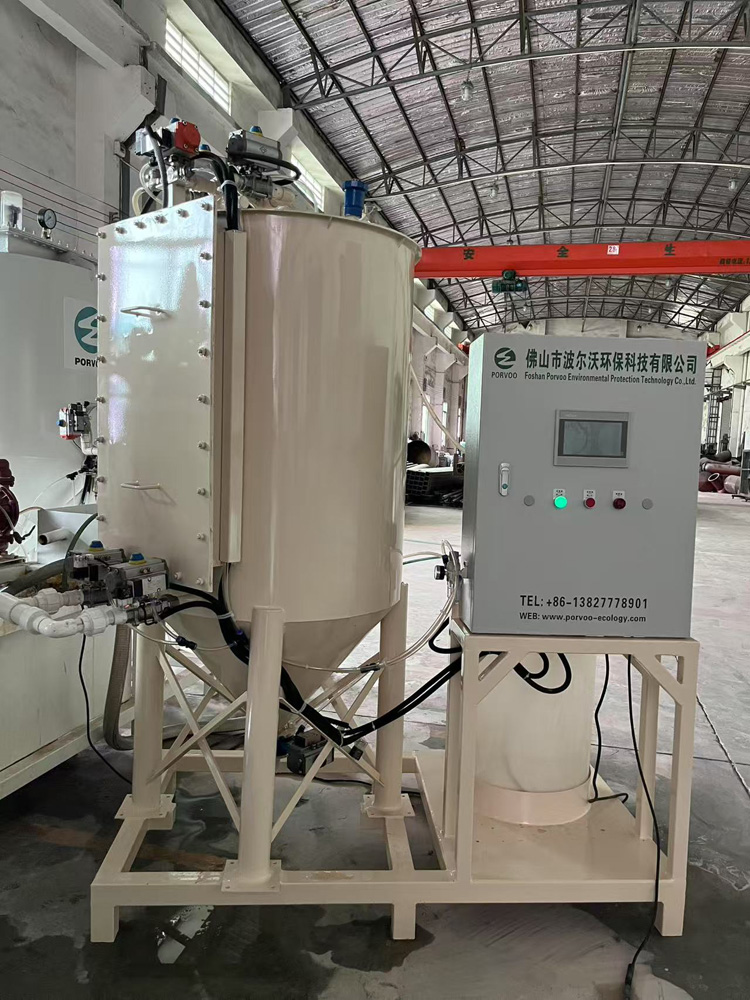
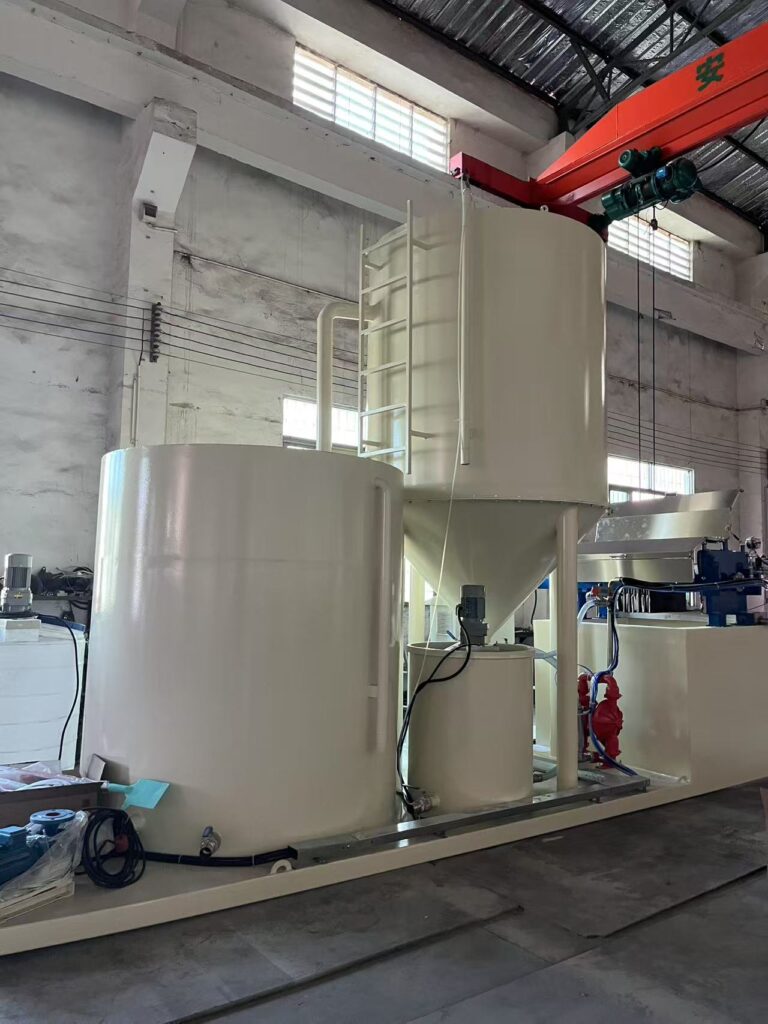
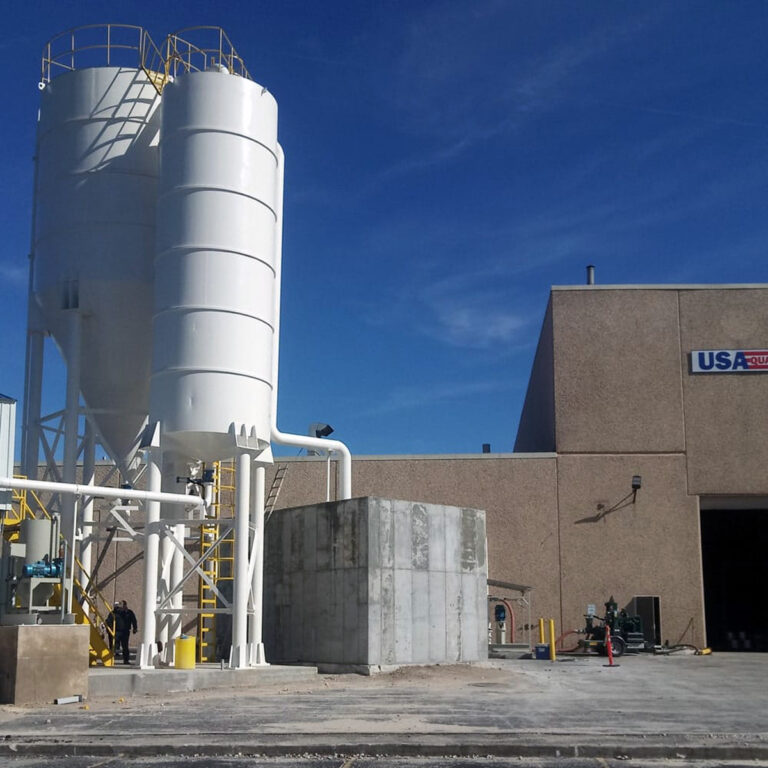
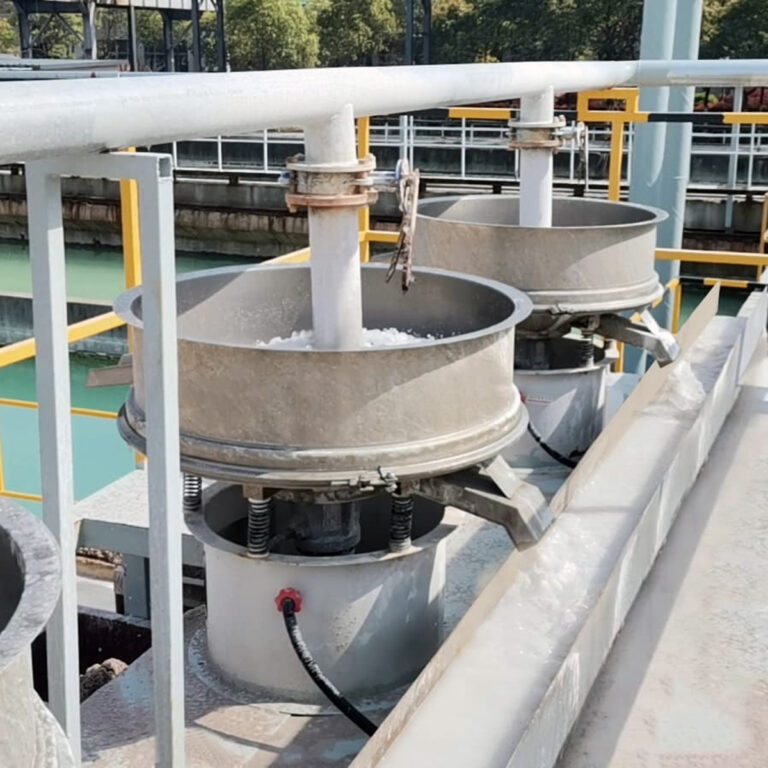
For ceramic tile production engineers, sizing a gravity settling tank is a critical calculation that directly impacts plant compliance and operational cost. The challenge lies in moving beyond basic Stokes’ Law calculations to a multi-variable optimization that balances particle physics with stringent environmental regulations and site-specific wastewater characteristics. A miscalculation here doesn’t just mean poor performance; it risks permit violations and costly retrofits.
This focus is essential now as environmental regulations tighten and water reuse becomes a strategic priority. A correctly sized primary clarifier is the foundation for reliable downstream treatment, protecting membranes and biological systems. It transforms wastewater management from a compliance burden into an asset for operational stability and potential water recycling initiatives.
Key Design Principles for Gravity Settling Tank Sizing
The Core Physics and Regulatory Framework
Gravity settling relies on providing sufficient quiescent time and surface area for suspended particles to settle out of the wastewater stream. The sizing process is governed by two primary loading rates: hydraulic (surface overflow rate) and solids loading. For ceramic tile wastewater, which contains fine silica, clay, and glaze particles, a conservative surface settling rate of 600-1,200 gallons per day per square foot (gpd/sq.ft) is typical, with the lower end recommended for finer solids. Tank depth, typically 7-12 feet, must balance adequate sludge storage volume with effective flow distribution to achieve a detention time of 1.5-2.5 hours at average flow.
Crucially, Regulatory Primacy Overrides Basic Process Design. The entire design must first satisfy local and national environmental discharge limits, which dictate performance standards that the tank must meet. This transforms the task into a Multi-Variable Optimization Problem, where the theoretical settling velocity of particles (per Stokes’ Law) must be reconciled with mandated detention times and hydraulic flow patterns to prevent short-circuiting and ensure consistent effluent quality.
From Theory to Practical Design Constraints
In practice, the optimization extends beyond the tank itself. The chosen dimensions directly influence upstream and downstream processes. For instance, a shallower tank may have a larger footprint and lower construction cost but offers less sludge storage, demanding more frequent desludging cycles. The length-to-width ratio, a key factor in minimizing hydraulic short-circuiting, must be balanced against available plot space. From my experience reviewing plant designs, the most common oversight is treating the settling tank as an isolated unit rather than the central component of an integrated treatment train, where its performance dictates the loading on every subsequent process.
How to Calculate Surface Area and Tank Dimensions
Establishing the Correct Design Basis
The calculation foundation is the accurate determination of design flows. This is not merely a hydraulic exercise but a legal one, as “Design Flows” are Legal, Not Just Hydraulic, Constructs. Regulations define distinct flows—Average, Maximum Daily, and Peak Hourly—for sizing different components. For a ceramic plant with batch discharges from press washing or glaze line cleanouts, a flow characterization study is non-negotiable. This data analytically converts sporadic discharges into the regulatory flow categories required to justify the design to permitting authorities. The required surface area is then calculated using the peak hourly flow: Area (sq.ft) = Peak Flow (gpd) / Selected Surface Settling Rate (gpd/sq.ft).
Translating Area into Physical Dimensions
Once the surface area is determined, it must be translated into tank length and width. A length-to-width ratio between 3:1 and 5:1 is standard to promote plug flow and minimize short-circuiting. For a rectangular tank with a 4:1 ratio, the dimensions are solved as Width = √(Area/4) and Length = 4 * Width. The tank volume is simply Area * Effective Depth. The following table clarifies the distinct roles of each flow parameter in the sizing process, ensuring the design meets both process and regulatory requirements.
| Design Flow Type | Typical Use Case | Key Regulatory Impact |
|---|---|---|
| Peak Hourly Flow | Surface area calculation | Legal sizing construct |
| Average Flow | Sludge production estimate | Basis for load limits |
| Maximum Flow | Hydraulic component sizing | Defines system capacity |
| Surface Settling Rate | 600-1,200 gpd/sq.ft | Conservative: 600 gpd/sq.ft |
| Length-to-Width Ratio | 3:1 to 5:1 | Minimizes short-circuiting |
Source: ISO 6107-6:2004 Water quality — Vocabulary — Part 6. This standard provides the precise definitions for key parameters like flow types (average, maximum) and suspended solids, ensuring the calculated dimensions are based on universally accepted technical terms for regulatory compliance.
Critical Hydraulic Factors: Inlet, Outlet, and Weir Design
Preventing Hydraulic Short-Circuiting
Effective tank performance depends entirely on achieving uniform flow distribution. Inlet design must dissipate the energy of the incoming wastewater to prevent turbulence that resuspends settled solids. Baffles or stilling walls are essential here. The goal is to achieve laminar, even flow across the entire tank cross-section to utilize the full settling volume. Poor inlet design is a primary cause of hydraulic short-circuiting, where a portion of the influent flows directly to the outlet, drastically reducing effective detention time and settling efficiency.
Optimizing the Outlet and Weir System
The outlet weir is equally critical. The weir loading rate—the flow per unit length of weir—must be controlled to prevent excessive velocities that draw settled particles over the weir. A maximum rate of 10,000-15,000 gpd per lineal foot is standard. The required total weir length is calculated as Peak Flow / Selected Weir Loading Rate. This is a key part of the Multi-Variable Optimization Problem; weir placement (peripheral, double-sided) and loading directly impact the tank’s effective surface area and compliance with performance standards. The specifications for these components are summarized below.
| Component | Key Design Parameter | Typical Range / Specification |
|---|---|---|
| Outlet Weir | Loading Rate | 10,000-15,000 gpd/ft |
| Inlet | Energy Dissipation | Baffles or stilling walls |
| Tank Flow | Distribution Goal | Even, prevent short-circuiting |
| Weir Length | Calculation | Peak Flow / Weir Loading Rate |
Source: Technical documentation and industry specifications.
Estimating Sludge Production and Handling Requirements
Calculating Daily Sludge Yield
Sludge handling often dictates the long-term economics of the primary treatment stage. The daily mass of solids removed must be estimated: Solids (lbs/day) = Avg Flow (MGD) * Influent SS (mg/L) * 8.34 * (Removal %/100). The volume of this sludge depends on its concentration, typically 2-5% solids by weight for primary ceramic sludge. This volume determines the required frequency of sludge withdrawal and the sizing of downstream handling equipment. It’s a calculation that cannot be done in isolation, as Sludge Handling Dictates Upstream Process Economics, influencing 30-50% of a plant’s operational costs.
Integrating Sludge Strategy into Tank Design
The chosen sludge processing method—whether thickening, stabilization, or mechanical dewatering—directly influences the primary tank design. A tank intended for frequent sludge pumping to a digester may have a different bottom configuration than one designed for storage and periodic removal. Key tank features like hopper slope (minimum 1.7:1) and withdrawal pipe diameter (minimum 6-inch) are determined by the sludge characteristics and handling plan. The following table outlines the key parameters that bridge the settling process to sludge management.
| Parameter | Calculation / Value | Impact on Design |
|---|---|---|
| Daily Solids (lbs) | Flow (MGD) x SS (mg/L) x 8.34 | Defines handling capacity |
| Sludge Concentration | 2-5% solids by weight | Determines volume |
| Hopper Slope | Minimum 1.7:1 | Ensures sludge withdrawal |
| Withdrawal Pipe | Minimum 6-inch diameter | Prevents clogging |
| System Cost Impact | 30-50% of plant costs | Major economic driver |
Source: Technical documentation and industry specifications.
Operational Considerations: Materials, Safety, and Monitoring
Selecting Corrosion-Resistant Materials
Long-term tank integrity is non-negotiable. Ceramic wastewater is abrasive (silica, stone dust) and often corrosive (glaze chemicals, variable pH). Therefore, Material Selection is a Corrosion Management Strategy. Lined concrete, stainless steel (e.g., 316L), or specialized polymer coatings are common choices. This selection is a primary capital cost driver but prevents catastrophic failure and expensive repairs. The material must be specified not just for the liquid phase but also for the sludge zone, where abrasion is most severe.
Embedding Safety and Monitoring from the Start
Operational safety is a coded requirement with significant cost implications. Operator Safety Requirements Embed Significant Capital Cost, adding 15-25% to project expenses often overlooked in preliminary sizing. Regulations mandate confined space access with hatches, ventilation, gas detection systems, and non-slip walkways with guardrails. Furthermore, the tank must be designed for performance monitoring. Permanent sampling points and flow meters at the influent, effluent, and sludge lines are essential for compliance reporting and operational troubleshooting.
| Consideration | Key Requirement | Cost / Specification Impact |
|---|---|---|
| Tank Materials | Abrasion & corrosion resistance | Primary cost driver |
| Safety Features | Confined space compliance | Adds 15-25% to cost |
| Monitoring Points | Influent, effluent, sludge lines | Essential for performance |
| Walkways | Non-slip surfaces | Mandatory safety standard |
Source: Technical documentation and industry specifications.
Common Sizing Mistakes and How to Avoid Them
Hydraulic and Regulatory Pitfalls
The most frequent error is using average daily flow instead of peak hourly flow for surface area sizing, leading to immediate overload during batch discharges. Another is treating the settling rate, tank dimensions, and weir loading as independent variables, which disrupts the hydraulic profile and causes short-circuiting. Engineers must also avoid the “Standardization Gap” Penalty by blindly applying municipal design standards to unique industrial wastewater. Ceramic effluent has distinct particle size distributions and chemical characteristics that may require site-specific pilot testing to prove equivalency during permitting.
The Integrated Design Mindset
A major mistake is designing the settling tank in a vacuum, separate from the sludge handling strategy. Specifying a tank with inadequate hopper slope or undersized withdrawal pipes based on theoretical sludge estimates leads to operational headaches and manual cleaning. Furthermore, failing to proactively engage with regulators during the conceptual design phase can result in costly redesigns later. The solution is an integrated approach where flow characterization, sludge strategy, and preliminary regulatory review occur concurrently with the initial hydraulic calculations.
From Calculation to Implementation: Next Steps
Building the Compliance Documentation Engine
The output of your sizing calculations must serve as a Compliance Documentation Engine. The numbers and assumptions form the defensible audit trail required for an official Engineering Report. This report is the legal and technical foundation for permit applications. It must clearly articulate how the design flows were derived, why specific design parameters were chosen, and how the system will meet all applicable discharge limits, referencing standards like ASTM D4189-07 for assessing particulate fouling potential where relevant.
Designing for Future Regulatory Evolution
A strategic design incorporates flexibility for tomorrow’s requirements. Future-Proofing Requires Designing for Regulatory Evolution. Designing only for today’s suspended solids limit is short-sighted. Smart designs include provisions for future retrofits, such as embedded piping for potential chemical feed systems (for phosphorous or heavy metal precipitation) or additional baffling for enhanced settling. This approach protects your capital investment and ensures the settling tank remains a viable part of the treatment train for its entire lifespan, supporting advanced grit and solids removal systems as part of an integrated solution.
Validating Your Design with a Professional Engineer
The PE Stamp as Risk Mitigation
Final validation by a licensed Professional Engineer (PE) is a critical risk transfer and mitigation step. The PE’s stamp certifies that the design meets all applicable regulations, building codes, and sound engineering principles. This review is where the complex Multi-Variable Optimization is formally validated. The PE ensures that material selections are appropriate for the service conditions, safety features meet OSHA and other standards, and the sludge handling plan is viable. This transforms a theoretical calculation into an actionable, compliant project ready for bidding and construction.
Enabling Strategic Operational Independence
For larger ceramic tile manufacturers, this engineering validation is inseparable from the Decentralization Trend in industrial wastewater management. A professionally stamped, permitted private treatment works turns wastewater management from a utility cost into a controlled, strategic asset. It provides operational independence, potential for water reuse, and direct control over compliance costs. The PE’s involvement is the gateway to this strategic advantage, ensuring the gravity settling tank is the robust cornerstone of a reliable, owner-operated treatment system.
The core decision points hinge on accurate flow characterization, integrating sludge strategy early, and selecting materials for long-term durability. Each calculation must be framed within the regulatory landscape, not just process efficiency. Implementation priority goes to developing a comprehensive Engineering Report that documents every assumption and compliance pathway.
Need professional validation for your ceramic wastewater settling tank design or an integrated treatment solution? The engineers at PORVOO specialize in translating complex industrial wastewater challenges into compliant, operational systems. For a detailed consultation on your specific application, you can also Contact Us.
Frequently Asked Questions
Q: How do you determine the correct design flow for sizing a ceramic wastewater settling tank?
A: You must use the peak hourly flow rate, not the average daily flow, to size the tank’s surface area. This accounts for batch discharges common in ceramic production. Regulatory codes define distinct flow categories (Average, Maximum, Peak Hourly) for sizing, making a flow characterization study a mandatory first step to justify your calculations to permitting authorities. This means facilities with sporadic glaze or washdown discharges should invest in detailed flow monitoring before any design work begins.
Q: What are the critical hydraulic design parameters to prevent short-circuiting in a rectangular settling tank?
A: Effective design requires a length-to-width ratio between 3:1 and 5:1 to promote uniform flow. You must also control the outlet weir loading rate, keeping it below 10,000 to 15,000 gallons per day per lineal foot to minimize solids carryover. The total weir length is calculated by dividing your peak flow by your selected loading rate. For projects where space is limited, expect to increase weir length through multiple launders or a peripheral weir to meet this hydraulic requirement.
Q: Why is sludge handling strategy considered a primary cost driver, and how does it influence tank design?
A: Sludge processing can dictate 30-50% of a treatment plant’s total operational costs. The chosen dewatering or stabilization method directly impacts the primary tank’s design, requiring features like a minimum hopper slope of 1.7:1 and sludge withdrawal pipes of at least 6-inch diameter. This means the true cost of your settling tank is determined downstream; you should select the sludge management strategy concurrently with the clarifier design to avoid costly retrofits.
Q: How do material selection and safety regulations impact the capital cost of a settling tank installation?
A: Tanks require abrasion- and corrosion-resistant materials like lined concrete or specialized coatings, which is a significant cost factor. Furthermore, compliance with confined space regulations mandates safety features like access, ventilation, and gas detection systems, which typically add 15-25% to the project cost. If your wastewater contains glaze chemicals or fine ceramic particulates, plan for these material and safety premiums during initial budgeting to avoid surprises.
Q: What is the most common mistake in preliminary tank sizing, and how can it be avoided?
A: The most frequent error is using average daily flow instead of peak hourly flow for surface area calculations, which leads to overload and treatment failure during batch discharges. Another critical mistake is applying municipal design standards without adjustment for unique ceramic wastewater characteristics. To mitigate this, proactively engage regulators and consider industry-specific data or pilot testing to justify your design approach and secure permits.
Q: What role does a Professional Engineer (PE) play in finalizing a settling tank design?
A: A PE’s validation and stamp certifies that the design meets all applicable regulations and sound engineering principles, transforming calculations into a legally defensible project. This review is critical for risk mitigation, especially for plants pursuing operational independence through a private treatment works permit. For large-scale or innovative systems, you should integrate the PE’s review early in the design process, not treat it as a final formality.
Q: How can we ensure our tank design uses standardized terminology for key performance parameters?
A: Adhering to established vocabulary standards, such as those found in ISO 6107-6:2004, ensures precise communication of terms like suspended solids and settling velocity. This common technical language is essential for clear specification, performance evaluation, and regulatory reporting. This means your engineering reports and vendor specifications should reference such standards to prevent ambiguity and facilitate approval.