Selecting the right filter press is a critical capital decision with decades-long operational consequences. The choice between recessed chamber, membrane, and plate & frame designs directly impacts dewatering efficiency, maintenance costs, and total process viability. Misunderstanding their core differences can lock operations into a system that is either over-engineered for the task or incapable of meeting key performance targets.
This comparison is essential now as industries face intensifying pressure to reduce waste volume, lower disposal costs, and optimize resource recovery. The strategic selection of dewatering technology is no longer just an equipment purchase; it’s a foundational decision for operational efficiency and environmental compliance.
Core Differences: Recessed vs Membrane vs Plate & Frame
Architectural Foundation
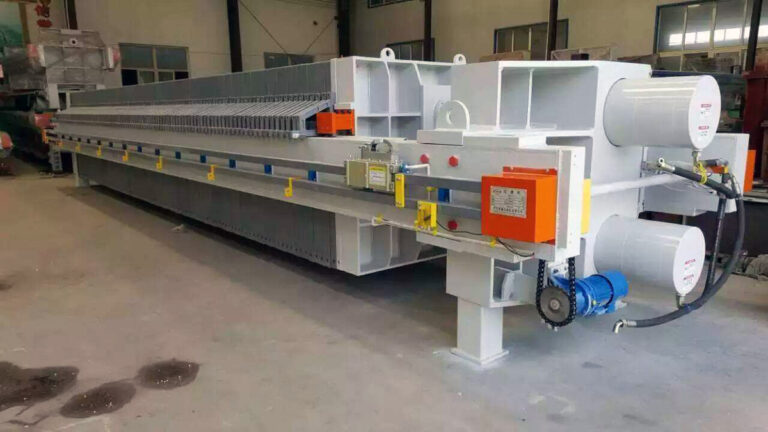
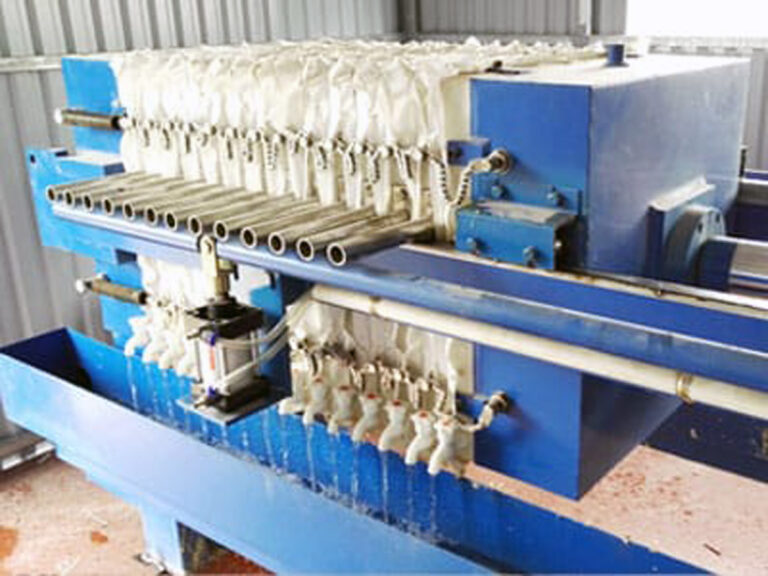
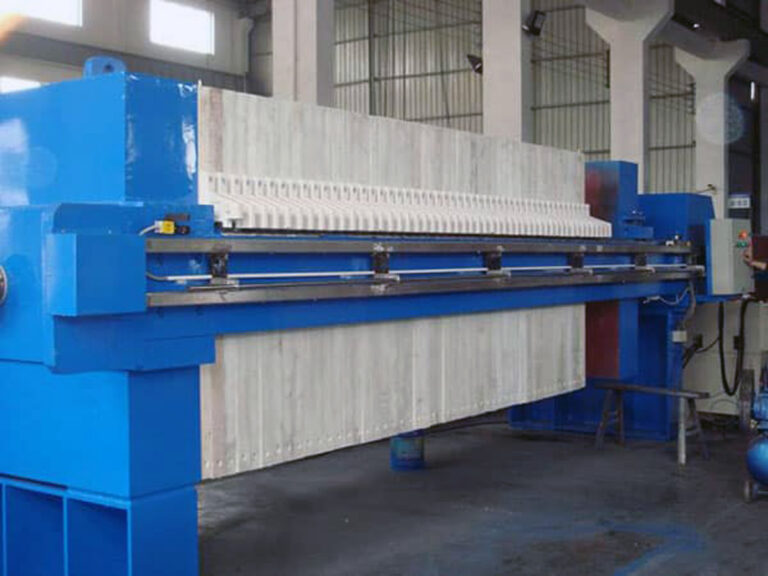
The fundamental distinction lies in plate design and dewatering mechanism. Recessed chamber presses use identical plates with recessed surfaces to form filtration chambers, relying solely on pump pressure. Membrane presses incorporate an elastic diaphragm that inflates after initial cake formation to apply a high-pressure squeeze. Plate & frame presses, the original modular design, use alternating solid frames and hollow plates, creating space for the thickest cakes.
Mechanism Dictates Application
This architectural choice dictates application suitability. The recessed chamber’s simplicity and large center feed port make it robust for coarse slurries. The membrane’s secondary squeeze targets ultimate dryness. The plate & frame’s clear separation between frame and plate is engineered for processes requiring intensive cake washing or product recovery. Selecting the wrong architecture for your material profile is a common and costly mistake.
Strategic Implications
The choice is strategic, determining long-term filtration efficacy and maintenance needs. Industry experts recommend treating this as a process design decision, not just an equipment specification. We compared the operational histories of these systems and found that misalignment between slurry characteristics and press type is the primary cause of underperformance and unexpected downtime.
Cost Comparison: Capital, Operating & Total Cost of Ownership
Beyond the Purchase Price
A comprehensive analysis must extend beyond initial capital cost to operating expenses and lifecycle value. Recessed chamber and basic plate & frame presses typically have moderate capital costs. Membrane presses command a higher initial investment due to diaphragm plates and advanced control systems. However, focusing solely on purchase price overlooks the total cost of ownership (TCO), where operational savings often justify higher capital outlay.
The Operational Cost Equation
The key is identifying your dominant operational cost driver. For membrane presses, it’s maintenance of diaphragms and pneumatic systems. For recessed chamber units, frequent filter cloth replacement can be significant. For manual plate & frame systems, labor is the primary variable cost. Automation shifts cost from variable labor to fixed capital, a strategic trade-off for large-scale operations seeking predictable expenses.
The following table breaks down the primary cost components for each filter press type:
| Filter Press Type | Capital Cost | Key Operational Cost Driver |
|---|---|---|
| Recessed Chamber | Moderate | Filter cloth replacement |
| Membrane | High | Diaphragm & control maintenance |
| Plate & Frame | Moderate | Labor for manual operation |
Source: Technical documentation and industry specifications.
Justifying the Investment
The membrane press’s higher cost is often justified through reduced downstream disposal costs and increased throughput. A TCO analysis should factor in filter cloth life, energy consumption, and potential savings from drier cake. In our experience, projects that skip this holistic financial modeling often regret the selection within the first two years of operation.
Performance Compared: Cake Dryness, Cycle Time & Capacity
The Dryness Benchmark
Final cake dryness is the paramount metric for many applications. The membrane filter press sets the benchmark. Its secondary diaphragm squeeze, typically applying 0.6-0.8 MPa, forcibly expels moisture that pump pressure alone cannot remove. Recessed chamber and plate & frame presses yield good results but operate at significantly lower pressures, resulting in higher residual moisture content. This difference directly impacts disposal tonnage and cost.
Cycle Time and Throughput Trade-offs
Performance also hinges on cycle time. The membrane’s high-pressure squeeze accelerates dewatering, leading to shorter overall cycles and higher potential throughput. However, capacity is influenced by cake thickness. Plate & frame designs allow for the thickest cakes per chamber, which can reduce the number of cycles needed for a given solids volume, though their longer cycles may offset this benefit.
The performance differences are quantified in the following comparison:
| Metric | Membrane Press | Recessed/Plate & Frame |
|---|---|---|
| Final Cake Dryness | Excellent (benchmark) | Good, higher moisture |
| Dewatering Pressure | 0.6-0.8 MPa squeeze | Pump pressure only |
| Cycle Time | Shorter | Longer |
Source: Technical documentation and industry specifications.
The Batch Process Reality
It’s an easily overlooked detail: all filter presses are batch operations. This creates a fundamental throughput-labor trade-off. Achieving the driest cakes often requires longer cycle times or more complex sequences, limiting continuous flow. Optimizing the balance between cake dryness, cycle time, and manual intervention is the key to maximizing the value of your dewatering investment.
Which Filter Press Is Better for Abrasive Slurries & Large Solids?
The Challenge of Abrasive Feed
Handling slurries with large, gritty, or highly abrasive particles demands a focus on robustness and clog resistance. In these environments, component wear and feed port blockages are the primary failure points. Systems not designed for abrasion will suffer from accelerated maintenance cycles and unplanned downtime, crippling overall plant efficiency.
Recessed Chamber: The Robust Workhorse
For abrasive applications, the recessed chamber filter press is often the most reliable choice. Its key advantage is a large-diameter center feed port that minimizes blockages from coarse solids. The simple, identical plate design offers durability with fewer components vulnerable to wear. This simplicity translates to strategic operational stability and lower lifetime maintenance costs for industries like mining or mineral processing.
The design features favoring abrasive service are compared below:
| Feature | Recessed Chamber Press | Membrane / Plate & Frame |
|---|---|---|
| Feed Port Size | Large diameter | Often smaller |
| Clog Resistance | High (minimizes blockages) | Moderate to lower |
| Component Wear | Fewer vulnerable parts | More complex components |
Source: Technical documentation and industry specifications.
Considering Alternatives
While membrane and plate & frame presses can handle coarse solids, their smaller feed ports and more complex components (diaphragms, separate frames) often incur higher maintenance costs in highly abrasive environments. The decision frequently comes down to prioritizing system uptime and maintenance cost predictability over ultimate cake dryness.
Membrane vs Recessed: Is the Squeeze Cycle Worth the Investment?
Evaluating the Value of Squeeze
The decision between a membrane and recessed chamber press hinges on a clear evaluation of the secondary squeeze cycle’s value. The membrane’s diaphragm action delivers definitively drier cake and faster cycles. The investment is justified when the operational savings—from reduced cake weight, lower disposal costs, or improved downstream processing—outweigh the higher capital and maintenance costs.
When Membrane Delivers ROI
The membrane press is the high-performance standard for applications where ultimate dryness is paramount. In chemical processing or municipal sludge dewatering, where tipping fees are significant, the reduction in cake volume can provide a rapid return on investment. The increased throughput from shorter cycle times also adds value in capacity-constrained plants.
When Simplicity Wins
However, for slurries that dewater adequately with pump pressure alone, or where feed solids are exceptionally abrasive, the simpler recessed chamber press may offer a superior total cost of ownership. This demonstrates that the most advanced technology is not always the most economical choice. We have observed installations where the operational savings from a membrane press never materialized because the feed material’s characteristics did not allow the diaphragm to achieve its theoretical performance.
Plate & Frame Advantages for Cake Washing & Specialized Applications
The Unmatched Washing Efficiency
The plate & frame filter press retains critical importance for processes requiring intensive cake washing or recovery of soluble products. Its design provides a clear separation between the cake-forming frame and the drainage plate. This allows wash liquid to be efficiently directed through the entire cake thickness, achieving superior washing efficiency compared to recessed or membrane designs.
Niche Process Requirements
This capability is essential in industries like pigments, pharmaceuticals, and specialty chemicals, where impurities must be removed or valuable solutes recovered from the solid cake. The modularity of the plate & frame design also supports customization for unique process requirements, such as specific feed or discharge arrangements.
The Case for Specialization
This foreshadows ongoing demand for specialized designs. In niche applications—like the polishing of edible oils or the recovery of precious metal catalysts—product integrity and recovery rates can outweigh the benefits of full automation or ultimate dryness. For these specialized dewatering and separation challenges, a well-engineered plate & frame system often remains the optimal solution.
Operational Factors: Maintenance, Automation & Space Requirements
Daily Maintenance Realities
Day-to-day operation is shaped by maintenance needs. Membrane presses have higher complexity due to diaphragms and associated pneumatic or hydraulic systems. Recessed chamber and plate & frame presses are generally simpler but require diligent attention to cloth integrity and plate alignment. Neglecting these routine needs is a common source of premature failure.
The Automation Imperative
Automation—encompassing plate shifting, cloth cleaning, and cake discharge—is a transformative operational factor. It significantly reduces labor intensity, improves safety, and ensures consistency. This shift converts variable operational expenses into a higher fixed capital cost, a strategic decision that favors large-scale facilities seeking long-term, predictable efficiency.
The operational differences are summarized here:
| Factor | Membrane Press | Recessed Chamber / Plate & Frame |
|---|---|---|
| Maintenance Complexity | High (diaphragms, pneumatics) | Simpler |
| Automation Impact | Reduces labor intensity | Higher manual labor potential |
| Key Maintenance Focus | Diaphragm integrity | Cloth integrity, plate alignment |
Source: Technical documentation and industry specifications.
Planning for Footprint and Control
Space requirements are largely a function of chamber volume and plate count, though automated systems may need additional clearance for discharge mechanisms. The control parameters for filtration and squeeze cycles are the foundational variables. The next evolution involves leveraging real-time sensor data from these systems for dynamic, algorithmic optimization of each batch, moving from preset timers to outcome-based control.
Decision Framework: How to Select the Right Filter Press Type
Define the Non-Negotiable Outcome
Begin by defining the single most important process outcome. Is it the driest possible cake? Choose a membrane press. Is it efficient washing or handling of a valuable product? A plate & frame system is likely best. Is it reliable, low-maintenance dewatering of an abrasive mining slurry? The recessed chamber press is the strong candidate. This first step eliminates unsuitable options.
Conduct a Rigorous TCO Analysis
Second, conduct a total cost of ownership analysis over a realistic lifespan. Model all costs: capital, installation, maintenance (cloths, diaphragms, labor), energy, and disposal. For membrane presses, quantify the savings from drier cake. For all types, model the cost impact of different automation levels. This financial discipline prevents selection based on incomplete cost data.
Align with Strategic Direction
Finally, consider the strategic direction of your operation. Is the goal to minimize labor through automation? Is dewatering a preprocessing step within a broader resource recovery or circular economy strategy? Forward-thinking operations evaluate how the filter press integrates with downstream drying or thermal processing to transform waste into fuel or fertilizer. Partner with vendors who provide integrated industrial filtration solutions and future-ready, data-capable equipment that enables next-generation optimization and predictive maintenance.
The optimal filter press balances technical performance with financial and strategic reality. Prioritize the outcome that drives your bottom line, whether it’s disposal cost, product recovery, or operational uptime. A disciplined evaluation framework prevents over-engineering and ensures the selected technology delivers value for its entire service life.
Need professional guidance to navigate this critical decision for your specific slurry and operational goals? The engineering team at PORVOO can help you analyze your requirements and select the system that delivers the best total cost of ownership. For a detailed consultation, you can also Contact Us.
Frequently Asked Questions
Q: How does the secondary squeeze cycle in a membrane filter press improve operational efficiency?
A: The membrane press uses an elastic diaphragm to apply a uniform, high-pressure squeeze (typically 0.6-0.8 MPa) after initial cake formation, forcibly expelling significantly more moisture than pump pressure alone. This results in the driest possible cake and shorter overall cycle times. This means facilities facing high waste disposal costs or needing maximum throughput should prioritize the membrane press, as the capital premium is often offset by these operational savings.
Q: Which filter press type is most reliable for processing abrasive mining slurries with large solids?
A: The recessed chamber filter press is typically the most robust choice for highly abrasive applications. Its key advantage is a large-diameter center feed port that resists clogging from coarse particles, and its simple, identical plate design minimizes components vulnerable to wear. For projects where slurry abrasiveness is a primary concern, expect lower lifetime maintenance costs and greater operational stability with a recessed chamber design over more complex membrane or plate & frame units.
Q: When should a plate & frame filter press be selected over more modern designs?
A: Choose a plate & frame press when your core process requirement is efficient cake washing or the recovery of soluble products. Its design, with alternating solid frames and hollow plates, creates optimal pathways for wash liquid to penetrate the full cake thickness. If your operation in pharmaceuticals or specialty chemicals depends on removing impurities or recovering value from the solid cake, plan for this specialized design despite its typically manual operation.
Q: Is automating a filter press a cost-effective decision for a large-scale facility?
A: Yes, automation that handles plate shifting, cloth cleaning, and cake discharge converts high, variable labor costs into a higher, fixed capital investment. It significantly reduces manual intervention, improves safety, and enhances batch consistency. This means large-scale plants seeking long-term operational efficiency and reduced labor intensity should factor the higher upfront cost into a total cost of ownership analysis, where it often proves justifiable.
Q: What is the primary technical trade-off between achieving drier cake and maximizing throughput?
A: The batch nature of all filter presses creates a fundamental trade-off: achieving the driest cakes (best with a membrane squeeze) requires time for the high-pressure cycle, which limits continuous flow and increases handling between batches. While a plate & frame can build a thicker cake per cycle, its longer filtration time can offset that capacity benefit. If your operation requires maximum dryness, you should prioritize cycle time reduction strategies to mitigate the inherent throughput limitation.