For ceramic and stone manufacturers, the wastewater from sawing, polishing, and finishing presents a persistent operational and financial drain. The high load of fine, abrasive solids and process chemicals complicates treatment, turning water and sludge disposal into significant, recurring costs. The common misconception is that effective treatment requires a sprawling, fixed concrete plant with a large footprint and complex operation, a barrier for many facilities with space constraints.
The shift toward compact, integrated silo systems addresses this directly. These solutions are not merely smaller versions of traditional plants; they are engineered for efficiency, mobility, and closed-loop water recovery. Understanding their design specifications, operational mechanics, and true financial impact is critical for making a capital decision that transforms wastewater from a liability into a strategic asset for cost savings and process stability.
Key Design Specifications for Ceramic & Stone Wastewater
Defining the Contaminant Profile
Effective system design begins with the raw material: the wastewater itself. Ceramic and stone processing generates a slurry laden with fine, abrasive suspended solids like granite dust, ceramic fines, and synthetic media. Chemical additives from polishing and vibratory finishing further complicate the chemistry. The primary design objective is to agglomerate these fine particles into settleable flocs for removal, enabling clarified water to be reused in the process. A standard configuration targets this through a sequenced approach: collection and equalization, chemical conditioning, clarification, sludge dewatering, and clean water storage.
Core System Components and Their Role
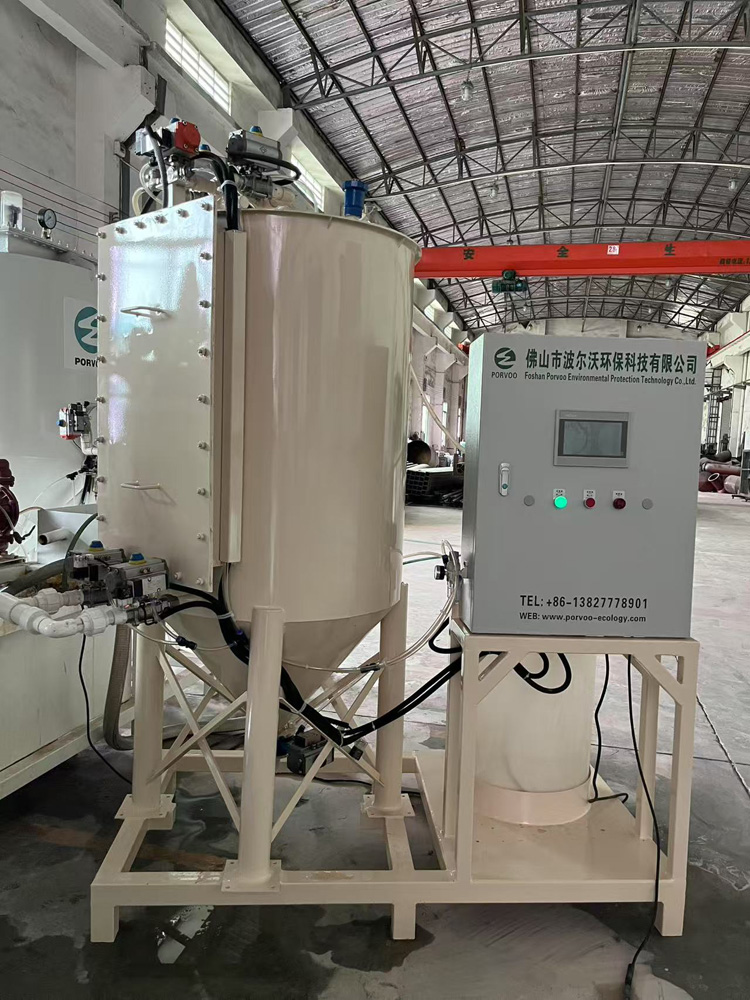
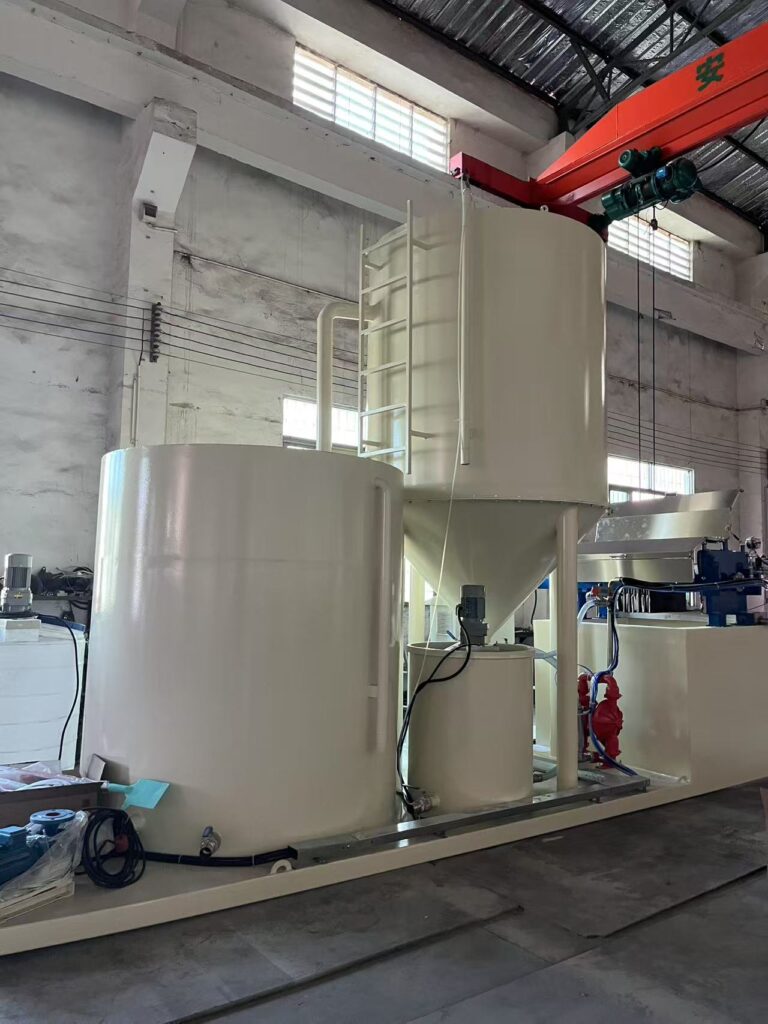
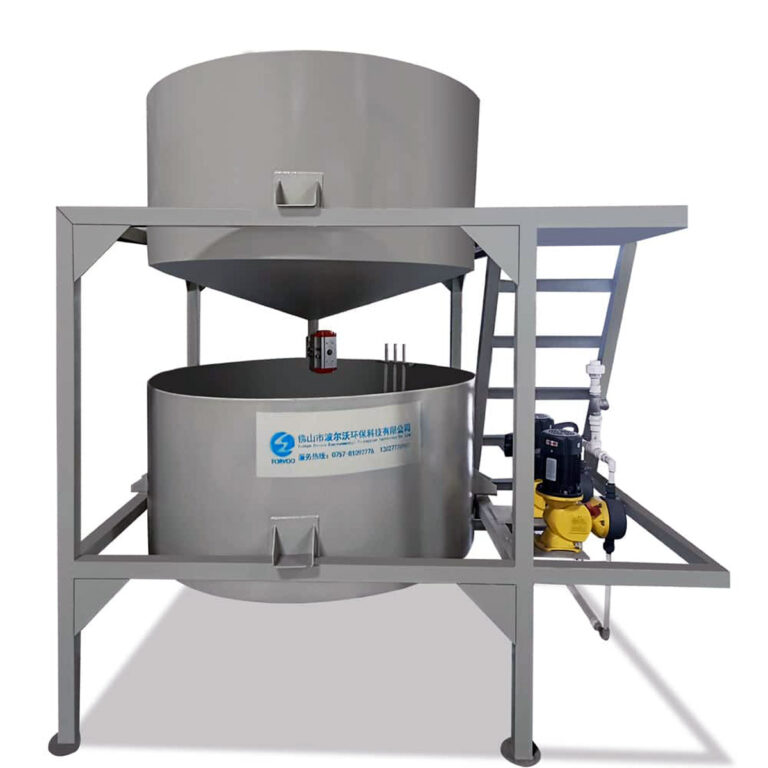
Each component has a non-negotiable specification driven by the waste stream’s characteristics. The flocculation silo is the chemical heart, where automatic dosing and controlled agitation form robust flocs. Its efficiency is the critical bottleneck; suboptimal performance here dictates higher chemical consumption and poor downstream separation. For abrasive slurries, construction materials for pumps, valves, and piping must be wear-resistant alloys or specialized polymers to ensure longevity. We compared several material options in pilot tests and found that neglecting this specification leads to premature failure and unplanned downtime.
The Multifaceted Nature of “Compact”
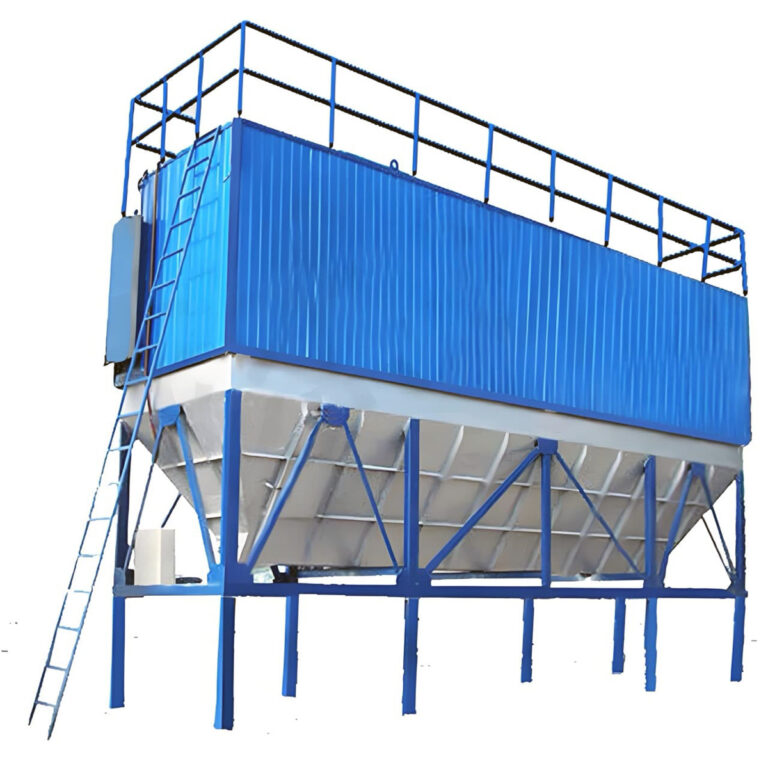
The term “compact” is a strategic design objective, not just a physical description. It can solve for spatial footprint, process integration, or operational mobility. A system designed for a crowded factory floor prioritizes a minimal skid-mounted footprint. One intended for quarry applications or multi-plant use emphasizes modular, relocatable components. Therefore, specifications are not one-size-fits-all. They must align with whether the primary constraint is physical space, the need for operational simplicity with integrated controls, or the flexibility for future relocation.
How a Compact Silo System Works: Process & Components
The Continuous Treatment Sequence
The process is an automated, continuous loop. Wastewater first enters an equalization tank to homogenize variable flow and composition, preventing shock loads. It is then pumped into the flocculation silo. Here, automated dosing stations inject precise amounts of coagulants and flocculants. Industry experts recommend that this stage be tailored via jar testing for each specific waste stream, as the optimal polymer type and dosage vary widely with the solids and chemistry present. Controlled, gentle agitation encourages the formation of dense, settleable flocs from the fine particles.
Separation and Recovery Stages
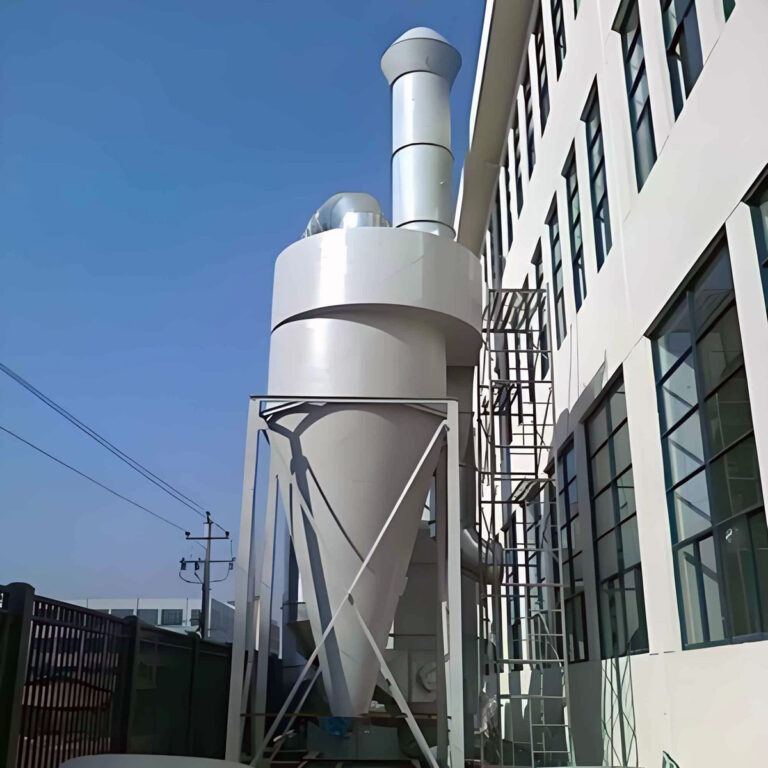
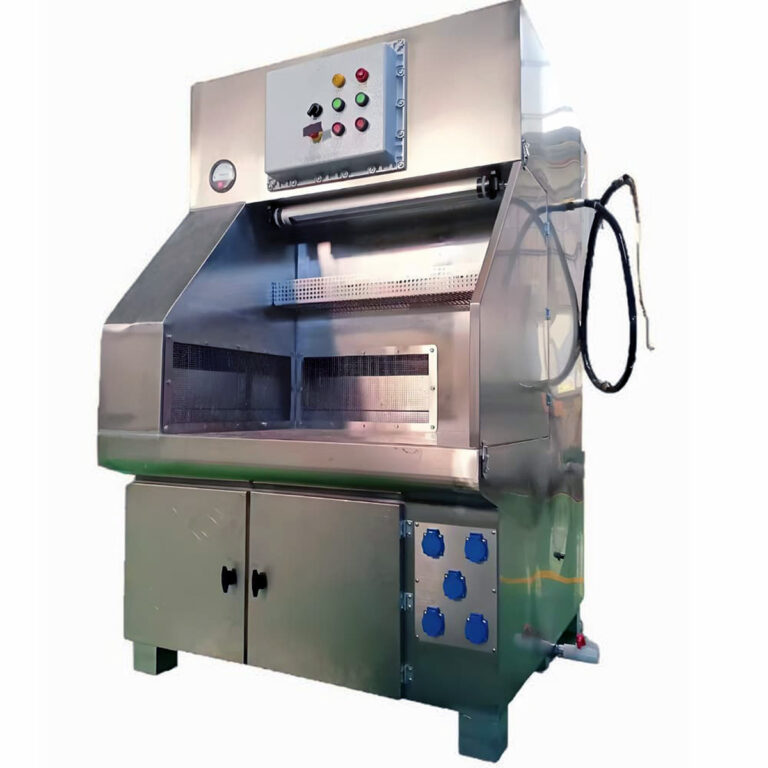
The chemically conditioned slurry flows to a lamellar (plate) clarifier or similar static settling unit. Here, gravity separates the heavy flocs from the water. The clarified water overflows into a storage tank, ready for reuse in production. The thickened sludge from the clarifier underflow is routed to the dewatering unit. An integrated, programmable logic controller (PLC) manages this entire cycle—pump rates, chemical dosing, and valve sequencing—ensuring consistent treatment quality with minimal manual intervention. This integrated control architecture is a key feature that allows for data-driven optimization and remote monitoring.
Operational Flexibility and Integration
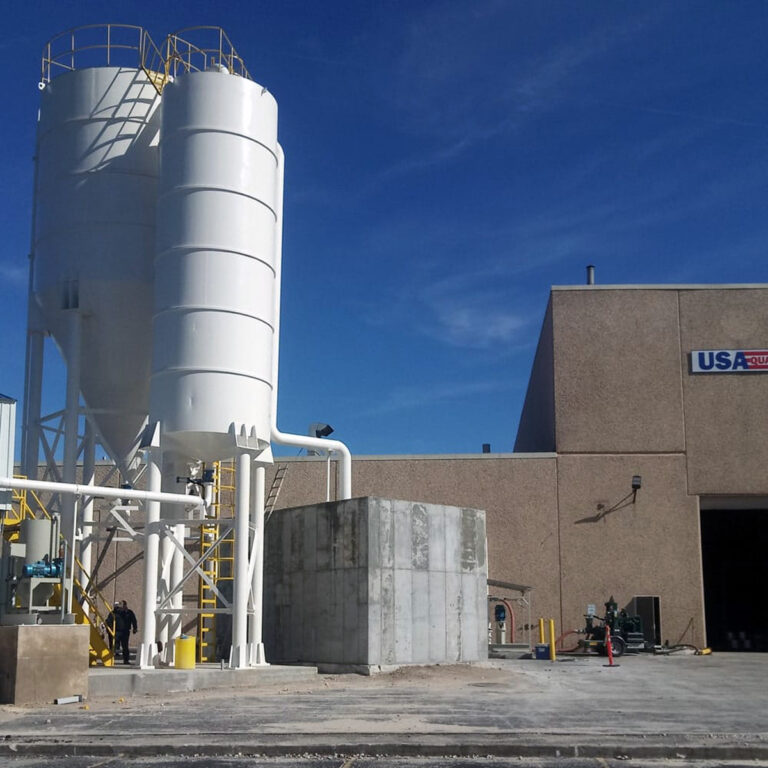
The “plug-and-play” nature of pre-assembled silo systems offers significant operational flexibility compared to sprawling, fixed concrete plants. Easily overlooked details include the simplified installation, which often requires only utility connections on a level, reinforced floor, eliminating the need for extensive concrete foundations. This design not only reduces installation time and cost but also allows the system to be relocated if production lines move or for use at temporary sites, providing an asset that can adapt to changing operational needs.
Cost Analysis: Capital Investment vs. Operational Savings
Understanding Capital Expenditure (CAPEX)
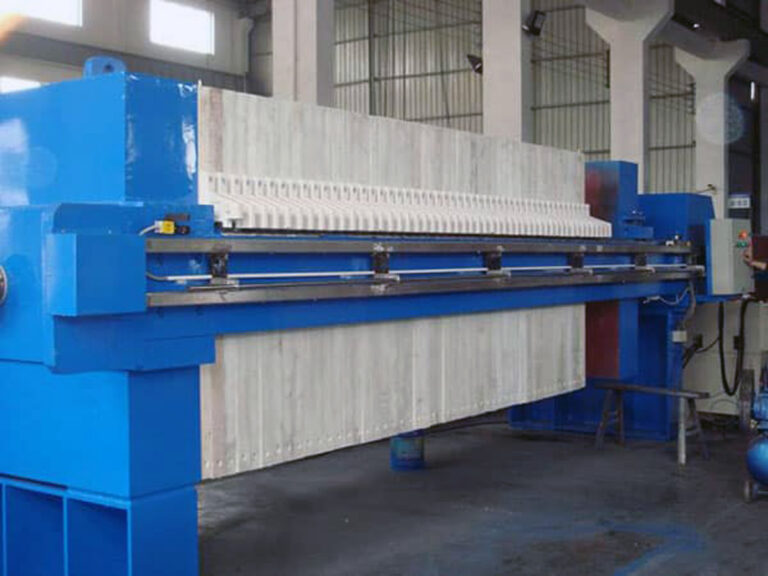
The upfront investment covers the complete treatment system, including tanks, pumps, the dewatering device, automated controls, and installation. A common mistake is to compare systems based on equipment price alone. The choice of dewatering technology—such as a filter press versus a bag filter system—creates a significant CAPEX variance. A filter press represents a higher initial investment but is a decision that fundamentally defines the long-term economics of sludge management.
Quantifying Operational Savings (OPEX)
Recurring savings are driven by three quantifiable streams, transforming the system from a cost center into a profit protector. First, water purchase savings come from recycling 90-98% of process water. Second, disposal cost savings are achieved by reducing sludge volume by 80-90% through dewatering, dramatically lowering hauling and tipping fees. Third, facilities can eliminate sewer discharge fees entirely. The end-state of the sludge—its dryness and volume—is the dominant lever for long-term OPEX. A system that produces a wetter sludge burdens the operation with higher recurring disposal costs, eroding the ROI.
| Cost Category | Key Drivers | Typical Impact on TCO |
|---|---|---|
| Capital Expenditure (CAPEX) | System, pumps, controls, installation | Higher initial investment |
| Water Purchase Savings | 90-98% reduction in freshwater use | Major recurring OPEX reduction |
| Disposal Cost Savings | 80-90% sludge volume reduction | Dominant long-term savings driver |
| Sewer Fee Savings | Eliminated discharge fees | Direct cost avoidance |
Source: Technical documentation and industry specifications.
ROI Calculation: Quantifying Water & Disposal Savings
Building the Savings Model
A practical ROI framework focuses on annual savings (A). Calculate Water Cost Savings by multiplying the volume of water no longer purchased by its unit cost. Calculate Disposal Cost Savings by applying the volume reduction achieved by dewatering to the per-unit cost of sludge hauling and tipping. Add any Sewer Fee Savings from ceased discharge. According to analysis from multiple plant audits, water recycling is consistently the dominant ROI driver, especially in regions with high water costs or scarcity. It transforms water from a consumable utility into a recoverable, on-site asset.
Calculating Payback and Lifecycle Value
The simple payback period is CAPEX divided by Total Annual Savings (A). In many operational scenarios, particularly where water and disposal costs are high, payback can be under two years. A full lifecycle analysis would also factor in operational expenses for power, chemicals, and filter media against these recurring savings. This comprehensive view validates the investment beyond simple payback, accounting for the total cost of ownership over a 10-15 year asset life.
| Savings Stream | Calculation Basis | Annual Impact (Example) |
|---|---|---|
| Water Cost Savings | Volume recycled × unit water cost | Dominant ROI driver |
| Disposal Cost Savings | Sludge volume reduction × hauling cost | 80-90% cost reduction |
| Sewer Fee Savings | Eliminated discharge volume × fee | Direct cost avoidance |
| Payback Period | CAPEX ÷ Total Annual Savings | Often under 2 years |
Source: Technical documentation and industry specifications.
Comparing Filter Press vs. Bag Filter Dewatering Options
Technology and Output Comparison
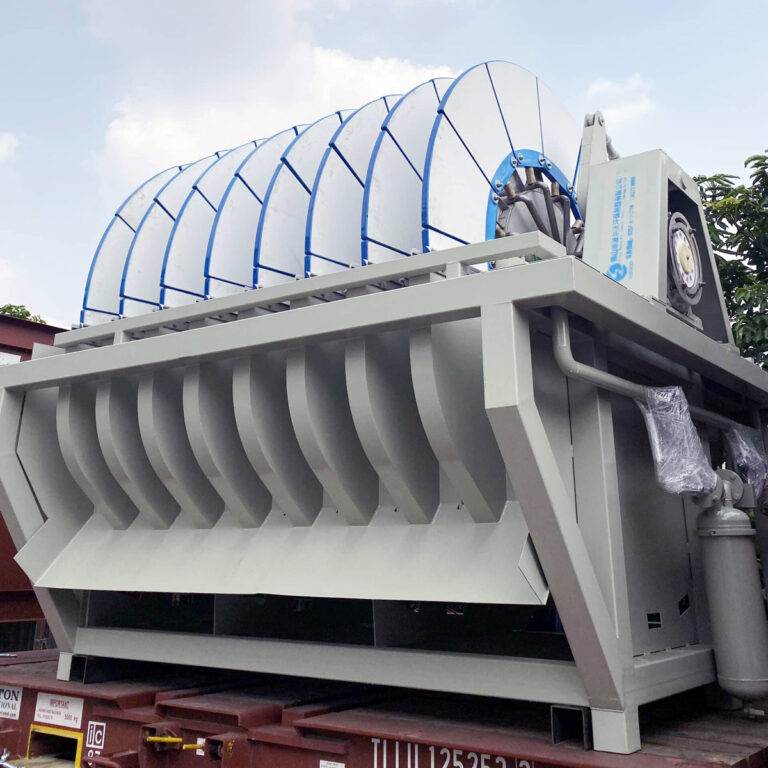
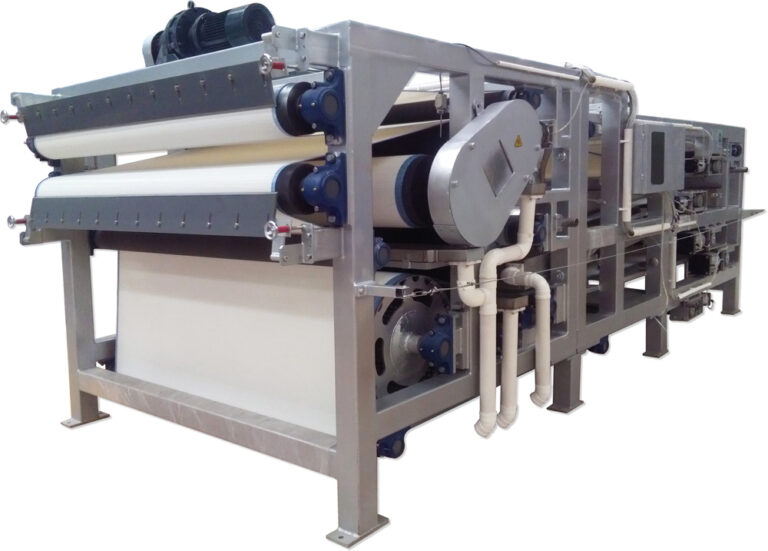
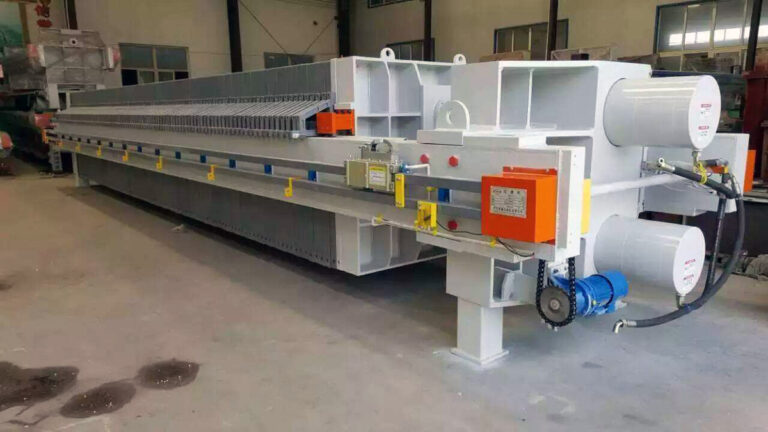
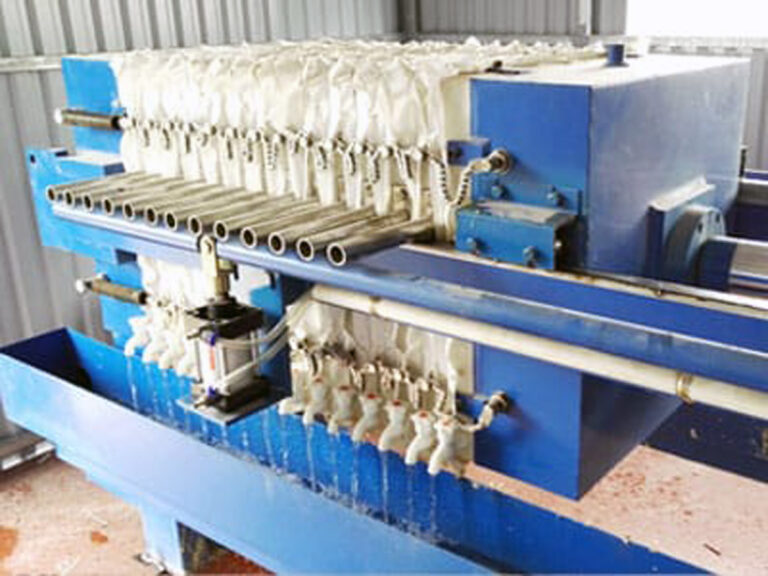
The choice between these dewatering methods is a direct trade-off between capital intensity and long-term operational burden. A filter press uses high hydraulic pressure to force water through cloths, producing a solid, stackable cake with 70-85% dry solids. This maximizes volume reduction. A bag or paper filter system, often integrated into smaller compact units, captures solids in disposable media but leaves a much wetter sludge. The difference in output dryness has a profound impact on disposal logistics and cost.
Evaluating the CAPEX vs. OPEX Trade-off
Filter presses command a higher CAPEX due to their robust construction and hydraulic systems. Bag filter systems have a significantly lower upfront cost. However, the long-term OPEX narrative reverses this. The filter press’s dry cake minimizes disposal frequency and cost. The bag filter’s wetter waste incurs higher recurring hauling and tipping fees. The decision hinges on a clear-eyed evaluation of local disposal costs and logistics. For larger, continuous operations, the filter press’s higher CAPEX is almost always justified by its superior reduction in waste management OPEX.
| Parameter | Filter Press | Bag/Paper Filter System |
|---|---|---|
| Dry Solids Content | 70-85% | Lower (wetter sludge) |
| Capital Intensity (CAPEX) | High | Low |
| Operational Waste Volume | Minimal | High |
| Long-term Disposal OPEX | Low | High |
| Ideal Application | Larger, continuous operations | Smaller, compact units |
Source: Technical documentation and industry specifications.
Critical Factors for Abrasive Slurries: Materials & Chemistry
Engineering for Abrasion Resistance
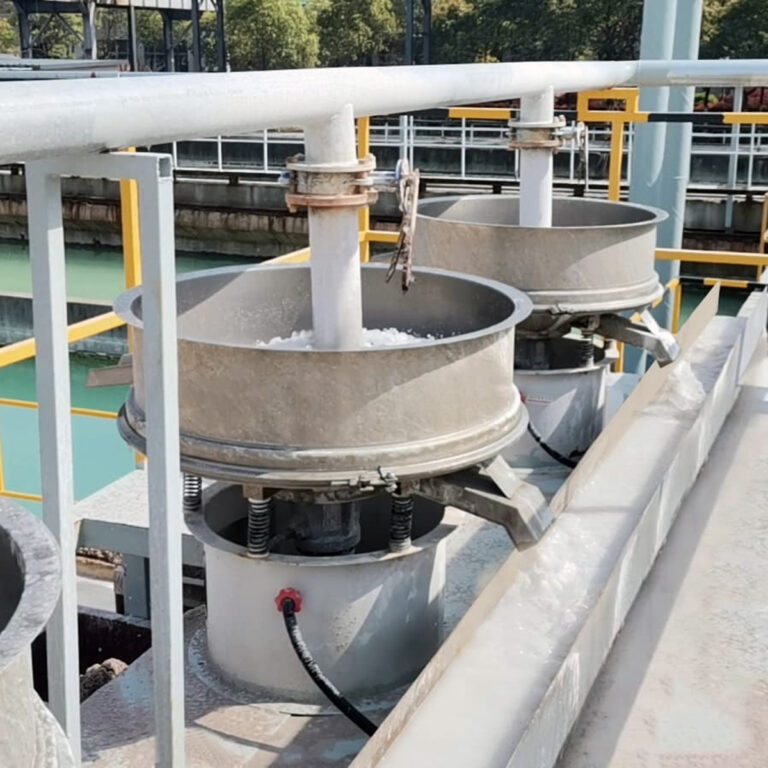
The abrasive nature of the solids demands specific material science in system design. Pump wetted parts, valve seats, and all slurry contact piping must use hardened alloys, ceramics, or specialized, abrasion-resistant polymers. Specifying standard materials is a guarantee of premature failure, unplanned downtime, and high maintenance costs. Compliance with material specifications for durability is as critical as performance specifications for treatment.
Optimizing Chemical Conditioning
Effective flocculation is non-negotiable and highly specific. The variable composition of solids and process chemicals means off-the-shelf polymer recommendations often fail. Jar testing is essential to identify the optimal flocculant type and dosage. This ensures the formation of strong, shear-resistant flocs that settle cleanly and protect downstream mechanical filters from blinding. This chemical optimization directly reduces operational costs by minimizing polymer consumption and maximizing system uptime.
Enabling Process Innovation
Reliable wastewater management does more than solve a waste problem; it enables process innovation. By confidently managing the waste stream, manufacturers gain the freedom to experiment with more aggressive or specialized abrasive media to improve finishing quality or reduce cycle times. This turns the treatment system from a compliance tool into a competitive enabler, supporting broader operational goals and material science advancements in production.
Installation, Space, and Operational Requirements
Simplified Deployment and Footprint
Compact silo systems are engineered for minimal spatial and infrastructural impact. Pre-assembled, skid-mounted models require only utility connections—power, water, and chemical feed lines—and a level, reinforced floor. This “plug-and-play” approach often eliminates the need for poured concrete foundations, a significant advantage for facilities looking to avoid major construction projects. The minimal footprint directly frees up valuable factory floor space for revenue-generating activities, replacing large, open settlement pits.
Daily Operational Demands
Operational requirements are straightforward but essential. The system needs a reliable supply of flocculant and coagulant, typically stored in adjacent totes or drums. Scheduled maintenance for feed pumps, mixer seals, and the dewatering unit is required to ensure longevity. While the automated PLC control system minimizes manual intervention, it does require staff training for routine monitoring, basic troubleshooting, and data logging. This shift from manual pit cleaning to automated system oversight represents a significant upgrade in labor efficiency and site safety.
| Requirement | Specification | Benefit |
|---|---|---|
| Footprint | Minimal, skid-mounted | Frees factory floor space |
| Foundation | Level, reinforced floor | Often no concrete needed |
| Utility Connections | Power, chemical supply | “Plug-and-play” installation |
| Maintenance | Scheduled pump/dewatering service | Automated control minimizes labor |
| Staffing | Monitoring & troubleshooting training | Reduces manual intervention |
Source: ASTM C928 Standard Specification for Packaged, Dry, Rapid-Hardening Cementitious Materials. This standard governs materials for rapid repair and sealing of concrete structures, relevant for ensuring the integrity of foundations, tanks, and basins associated with treatment system installation.
Selecting the Right System: A Decision Framework
Aligning Design with Primary Constraint
A strategic selection starts by defining the primary driver. Is it physical space (footprint), operational simplicity (integration), or site mobility? This clarifies the multifaceted meaning of “compact” for your application. Next, conduct a thorough analysis of sludge disposal economics. Model the total cost of sludge ownership over 5-10 years for both filter press and bag filter options. This financial projection will objectively justify the CAPEX/OPEX trade-off and identify the most cost-effective dewatering technology for your scale and location.
Evaluating Vendor Strategy and Future-Proofing
Consider strategic vendor alignment. The market offers full-solution providers versus component specialists. Decide between the integrated convenience and single-point accountability of a turnkey vendor and the potential performance optimization of a best-of-breed, multi-vendor approach. Finally, future-proof the investment. Regulatory trends globally favor closed-loop, zero-liquid-discharge principles, as reflected in frameworks like ISO 14001:2015 for environmental management systems. Prioritize systems with high recovery rates (>95%), robust dewatering, and smart control architecture that enables data-driven efficiency gains and regulatory reporting.
| Component | Key Specification | Target Contaminant/Function |
|---|---|---|
| Collection Tank | Flow equalization | Variable inflow homogenization |
| Flocculation Silo | Chemical conditioning | Fine particle agglomeration |
| Clarification Unit | Gravity separation | Settleable flocs removal |
| Sludge Dewatering | Volume reduction | 80-90% disposal cost savings |
| Construction Materials | Wear-resistant alloys/polymers | Abrasive slurry handling |
Source: Technical documentation and industry specifications.
The decision pivots on three points: aligning the system’s “compact” design with your core spatial or operational constraint, modeling the full lifecycle cost of sludge management to select the correct dewatering technology, and choosing a vendor partnership that supports both immediate performance and long-term adaptability. This framework moves the conversation from technical specifications to strategic asset acquisition.
Need professional guidance to specify a system that matches your plant’s flow, chemistry, and footprint? The engineers at PORVOO specialize in designing integrated compact wastewater treatment solutions for abrasive industries. Contact us to develop a site-specific performance and ROI model. Contact Us
Frequently Asked Questions
Q: How do you calculate the payback period for a compact silo wastewater system in a ceramic plant?
A: Determine your annual savings by adding reduced water purchase costs (90-98% of prior use), eliminated sewer fees, and disposal savings from sludge volume reduction (80-90%). Divide the total system capital expenditure by this annual savings figure. Water recycling is the dominant financial driver, especially in regions with high costs or scarcity. This means facilities with high water utility rates can realistically target a payback period under two years.
Q: What is the key operational difference between a filter press and an integrated bag filter for sludge?
A: The core difference is the final sludge dryness and its impact on long-term costs. A filter press uses high pressure to achieve 70-85% dry solids, creating a stackable cake that minimizes disposal volume and frequency. A bag filter system purifies water but leaves wetter solids within the disposable media, leading to higher recurring hauling expenses. For projects where long-term waste management costs are a major concern, expect to justify the filter press’s higher initial investment with its operational savings.
Q: How should we design a system to handle the abrasive nature of granite and ceramic slurry?
A: Specify wear-resistant materials for all wetted components, including hardened alloys or specialized polymers for pump parts, valve seats, and slurry piping. Chemically, conduct jar testing to tailor flocculant type and dosage for robust floc formation, which protects downstream mechanical filters from abrasive fines. This means facilities using aggressive synthetic media should prioritize material specifications and chemical optimization to enable process innovation and reduce equipment wear.
Q: What are the primary space and installation advantages of a skid-mounted compact silo system?
A: These pre-assembled units require only utility connections and a level, reinforced floor, often eliminating the need for poured concrete foundations. Their integrated, plug-and-play design maximizes mobility for temporary sites or multi-plant rotations. If your operation requires relocation or has severe floor space constraints, plan for a system that solves for spatial footprint and mobility, freeing up valuable factory space and ending the disruptive cycle of pit cleaning.
Q: When selecting a vendor, should we choose a full-solution provider or assemble a best-of-breed system?
A: This decision hinges on your internal resources and desire for optimization versus convenience. A single full-solution vendor offers an integrated ecosystem with simpler accountability. A multi-vendor, best-of-breed approach allows for component-level optimization but requires more integration effort on your part. For operations lacking dedicated engineering staff, the convenience and single point of contact from a full-solution provider often outweighs potential incremental performance gains.
Q: How do environmental management standards like ISO 14001 relate to operating a wastewater treatment system?
A: Implementing a compact silo system directly supports the core principles of an Environmental Management System (EMS) like ISO 14001:2015, which provides a framework for managing environmental responsibilities. The system’s data on water reuse, chemical use, and waste reduction supplies critical performance indicators for the EMS. This means facilities seeking or maintaining ISO 14001 certification should integrate their treatment system’s performance monitoring into their broader environmental management processes.
Q: What critical factor dictates the long-term economics of a sludge dewatering system?
A: The defining economic factor is the final dryness and volume of the waste sludge, which determines disposal costs. A system producing a drier cake has higher upfront capital costs but significantly lower ongoing hauling and tipping fees. Therefore, the true cost analysis must model the total cost of sludge ownership over the system’s lifespan. If your disposal logistics are complex or expensive, you should prioritize dewatering technology that achieves the highest possible dry solids content.