Selecting the right industrial vacuum filter is a strategic decision that directly impacts plant profitability, energy consumption, and product quality. The choice between ceramic, drum, and cloth disc filters is often oversimplified to a single metric like initial cost, leading to long-term operational inefficiencies. Professionals must navigate a complex matrix of performance data, material compatibility, and lifecycle economics to avoid costly mismatches between equipment and application.
The pressure to optimize dewatering processes has intensified. Rising energy costs and stricter environmental regulations on water discharge and waste disposal demand systems that deliver drier cake, clearer filtrate, and lower total operating expense. This comparison moves beyond basic specifications to provide a decision framework grounded in core engineering principles and authoritative standards.
Ceramic vs Drum vs Disc Filter: Core Design Differences Compared
Defining the Fundamental Mechanisms
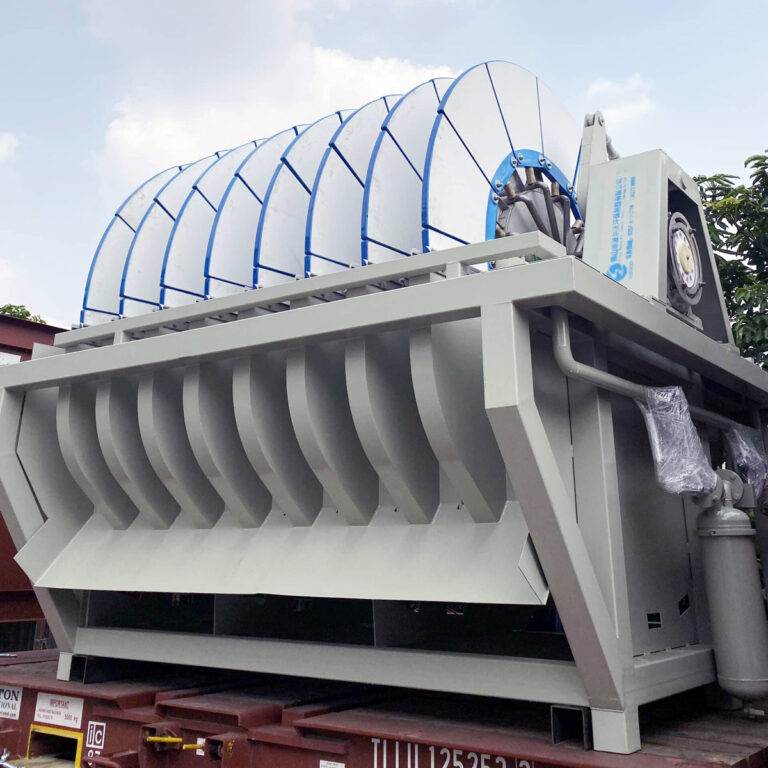
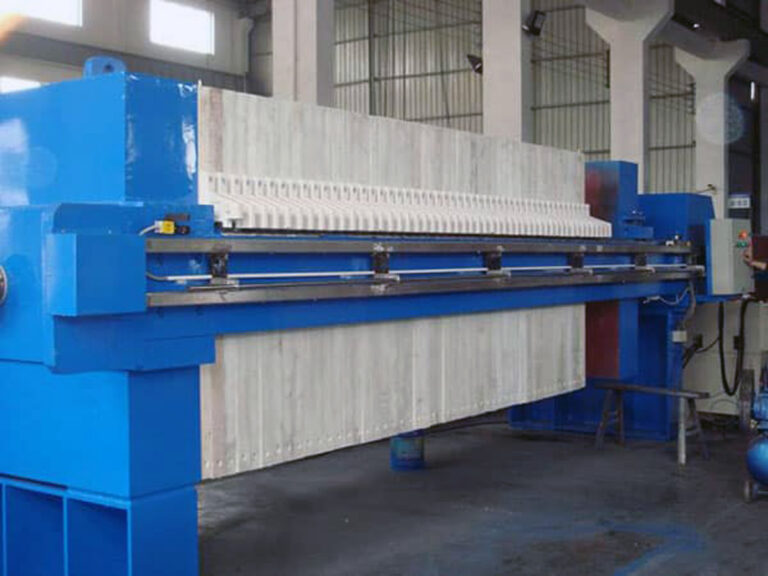
The operational envelope of each filter is dictated by its core dewatering mechanism. Rotary drum vacuum filters (RDVF) operate via a horizontal cylinder rotating in a slurry tank. An internal vacuum applied through a cloth medium draws liquid through, forming a cake on the drum surface. This robust, continuous design makes it a versatile industrial workhorse. Cloth disc filters mount multiple vertical discs on a central shaft, offering a large filtration area in a compact footprint, also relying on a permeable cloth medium.
The ceramic vacuum filter represents a material science shift. It replaces the consumable cloth with microporous ceramic plates. Its operation hinges on capillary action, where sub-micron pores hold water but block air, creating an efficient vacuum with minimal air flow. This core difference establishes the foundational trade-off: operational ease with consumable media versus long-term performance with a permanent, engineered medium.
The Critical Role of Filter Medium
The medium is not just a component; it defines the system’s capabilities and cost profile. In filtration, “ceramic” specifically denotes a material engineered for its precise pore structure and chemical inertness, governed by standards like GB/T 35053-2018. Its performance is not generic but highly dependent on matching pore geometry to slurry characteristics. Conversely, cloth media offer flexibility but introduce recurring cost and waste. Industry experts recommend scrutinizing the medium’s specified pore size and chemical resistance as the first step in any comparison, as this choice cascades into all downstream operational parameters.
Impact on System Design and Operation
These design differences manifest in system layout and control philosophy. Drum and disc filters are designed for continuous, high-airflow operation, requiring robust vacuum pumps and slurry feed systems. The ceramic filter’s “dead-end” vacuum design allows for intermittent pump operation and a simpler piping network. From my experience evaluating these systems, the ceramic filter’s control logic is more sophisticated, focusing on precise back-pulse cleaning cycles to maintain pore integrity, whereas cloth filter operations often prioritize managing cloth blinding and replacement schedules.
Total Cost of Ownership (TCO): Capital vs Operating Cost Analysis
Breaking Down Capital and Operational Costs
A purchase decision based solely on capital expenditure (CAPEX) is incomplete. Ceramic vacuum filters typically command an initial price 2 to 4 times higher than equivalent drum or disc filters, a premium attributed to the cost of engineered ceramics and precision manufacturing. This high CAPEX creates a significant barrier to entry. Drum and disc filters, with their more conventional mechanical design and consumable cloth media, present a much lower upfront financial hurdle, making them attractive for capital-constrained projects or applications with uncertain longevity.
The financial picture reverses when examining operating expenditure (OPEX). The ceramic filter’s dominant advantage is energy efficiency, reducing vacuum pump power consumption by 60-80%. It also eliminates the recurring cost of filter cloth purchases, handling, and disposal. For drum and disc filters, OPEX is perpetually burdened by continuous high-energy draw and the cyclical cost of cloth replacement, which can be substantial in large-scale or continuous operations.
Analyzing the Payback Period
The economic driver is the payback period for the ceramic filter’s premium. This calculation is highly sensitive to local energy costs, cloth replacement frequency, and the value of achieving a drier cake (e.g., reduced transportation or disposal costs). A thorough TCO analysis often reveals that for operations with high energy costs or where dry cake has tangible value, the ceramic filter’s low OPEX justifies its high CAPEX within a predictable timeframe. The table below provides a clear comparison of these cost components.
| Cost Component | Ceramic Vacuum Filter | Drum/Disc Vacuum Filter |
|---|---|---|
| Capital Expenditure (CAPEX) | 2 to 4 times higher | Baseline (Lower) |
| Vacuum Pump Energy (OPEX) | 60-80% reduction | Constant high draw |
| Filter Medium Cost (OPEX) | None (permanent) | Recurring cloth purchase |
| Primary Economic Driver | Low OPEX, TCO justified | Low CAPEX, high OPEX |
Source: Technical documentation and industry specifications.
The Hidden Costs of Consumables
Easily overlooked details include the labor for cloth changes, downtime for maintenance, and the environmental cost of disposing of spent, contaminated filter cloths. According to research on operational efficiency, these “soft” costs can add 15-25% to the stated OPEX of cloth-based filters. A TCO model that incorporates these factors provides a more accurate financial comparison and aligns with broader sustainability goals.
Performance Compared: Moisture, Throughput & Filtrate Clarity
Key Performance Metrics Defined
Performance is measured by three interlinked outputs: final cake moisture, dry solids throughput, and filtrate clarity. Ceramic filters consistently achieve the lowest cake moisture—often 5-15% lower for fine, difficult-to-dewater slurries. This is due to the high, consistent vacuum efficiency maintained by the microporous ceramic. They also produce superior filtrate clarity, often allowing direct water recycle without additional polishing, a critical factor in zero-liquid-discharge initiatives.
Drum filters excel in high-throughput applications with coarse, fast-filtering materials where ultimate dryness is less critical. Their continuous operation and ability to handle high solids loading make them productive. Disc filters offer strong capacity for medium-settling slurries, providing a balance between throughput and footprint efficiency. However, both cloth-based systems can experience fines bypass, leading to turbid filtrate and potentially higher final moisture if the cloth blinds.
The Throughput-Quality Trade-Off
This creates a strategic bottleneck. The ceramic’s fine pores deliver excellent clarity and dryness but can limit volumetric flow rates for coarse feeds and require meticulous cleaning to prevent pore clogging. Cloth filters, with larger effective pores, prioritize throughput but at the expense of potential solids loss in the filtrate and higher residual moisture. Optimizing dewatering requires precisely matching the filter’s effective pore size and dewatering mechanism to the slurry’s particle size distribution and settling rate. The following table summarizes these performance trade-offs.
| Performance Metric | Ceramic Filter | Drum Filter | Disc Filter |
|---|---|---|---|
| Cake Moisture Reduction | 5-15% lower (fine slurries) | Standard | Standard |
| Throughput Capability | Limited for coarse feeds | High (coarse materials) | Strong (medium slurries) |
| Filtrate Clarity | Superior, direct recycle possible | Potential fines bypass | Potential fines bypass |
| Strategic Bottleneck | Pore size vs. particle distribution | Throughput vs. moisture | Space vs. cake formation |
Source: ISO 12900:2022. This standard provides the framework for performance testing and comparison of solid-liquid separation equipment, establishing consistent criteria for metrics like cake moisture and filtrate clarity.
Validating Claims with Standardized Testing
Performance claims must be grounded in standardized testing. ISO 12900:2022 provides the essential framework for classifying and testing solid-liquid separation equipment. When comparing vendor data, ensure metrics like “cake moisture” and “filtrate clarity” are derived from tests conducted under consistent, standardized conditions. Relying on unverified or non-standard performance figures is a common mistake that leads to underperforming installations.
Energy Consumption Compared: Which System Is Most Efficient?
Vacuum Pump: The Primary Energy Sink
Energy efficiency is a decisive differentiator, and the vacuum pump is the largest consumer. Ceramic filters have a fundamental advantage due to their “dead-end” vacuum operation. The pump runs intermittently only to evacuate a sealed header tank, leading to dramatic energy savings. In contrast, drum and disc filters require constant, high-volume air flow to pull liquid through the cloth and dewater the cake, resulting in continuous high energy draw from much larger pumps.
The Efficiency Principle in Practice
This difference can be understood through an engineering principle. The ceramic filter is optimized for high efficiency in a steady-state duty cycle, minimizing losses. Drum filters are designed to handle bulk, continuous loads but with inherently higher energy dissipation. This principle implies that for processes with stable, continuous feed, the ceramic’s efficiency advantage is maximized. For highly variable or batch processes, the relative benefit may be less pronounced, though the fundamental efficiency gap remains. The data clearly quantifies this advantage.
| System | Vacuum Pump Operation | Energy Reduction vs. Baseline |
|---|---|---|
| Ceramic Filter | Intermittent, “dead-end” vacuum | 60-80% lower |
| Drum Filter | Constant, high-volume air flow | Baseline (0% reduction) |
| Disc Filter | Constant, high-volume air flow | Baseline (0% reduction) |
| Efficiency Principle | Steady-state duty cycle optimized | Bulk continuous load handling |
Source: Technical documentation and industry specifications.
Beyond the Pump: Total System Energy
While the vacuum pump dominates, a full energy audit should consider ancillary systems. Ceramic filters may require compressed air for back-pulse cleaning, and all systems use motors for rotation and slurry pumps. However, the scale of vacuum pump energy consumption is so large that it remains the overriding factor in the total energy footprint. Selecting a system based on pump horsepower alone misses the critical operational factor of duty cycle, where the ceramic system’s intermittent operation delivers the decisive win.
Operational & Maintenance Requirements: Labor, Space & Expertise
Routine Maintenance Profiles
Day-to-day operational demands create distinct labor and skill requirements. Drum filter maintenance is relatively straightforward, focusing on periodic cloth replacement, scraper blade adjustment, and valve inspections. Disc filter maintenance follows a similar pattern but is more labor-intensive due to the need to service multiple vertical discs. The trade-off is between frequent, simpler tasks and less frequent, more specialized interventions.
Ceramic filter maintenance centers on preserving the integrity of the ceramic plates and the precision of the automated back-pulse cleaning system. There are no cloths to change, but the plates require inspection for cracks or wear, and the cleaning cycle parameters must be meticulously tuned to the specific slurry. This eliminates routine media handling but introduces a need for more specialized technical oversight.
The Space and Infrastructure Equation
Footprint and supporting infrastructure are key constraints. Disc filters offer the highest filtration area per unit floor space, making them ideal for compact plants. Drum filters have a larger footprint but often allow easier access for maintenance. Ceramic disc filters, while similar in layout to cloth disc filters, may require additional space for ancillary control and cleaning systems. Furthermore, the choice influences infrastructure: cloth filters generate a spent media waste stream, while ceramic filters require a reliable source of clean water or air for back-pulsing and potentially more sophisticated control wiring.
The Shift to Predictive Maintenance
The industry is moving from time-based to condition-based maintenance. For all filter types, sensors monitoring pressure differentials across the medium can predict blinding and optimize cleaning cycles. This is particularly powerful for ceramic filters, where over-cleaning can cause wear and under-cleaning reduces efficiency. Implementing a predictive approach minimizes unplanned downtime and extends the life of both ceramic plates and filter cloths, turning maintenance from a cost center into a reliability strategy.
Which Filter Is Better for Fine Slurries & Abrasive Materials?
Matching Technology to Slurry Characteristics
Material compatibility dictates the feasible technology options. Ceramic filters are the superior choice for fine, homogeneous slurries like iron ore concentrate, metallurgical tailings, or precipitated minerals. Their sub-micron pore structure is exceptionally effective at retaining fine particles, maximizing moisture reduction and filtrate clarity. Standards like GB/T 35053-2018 detail the technical requirements for these ceramic elements, ensuring they meet the demands of such applications.
However, ceramic plates are less suitable for very coarse or highly abrasive feeds. Large, sharp particles can cause accelerated ceramic wear, microfractures, and pore damage, leading to performance degradation and high replacement costs. For these abrasive materials, the consumable nature of cloth becomes an advantage.
The Versatility of Cloth-Based Systems
Drum filters exhibit high versatility, capable of handling a wide particle size distribution and abrasive materials effectively. While abrasive feeds accelerate cloth wear, replacing a worn cloth segment is a simpler and lower-cost intervention than replacing a damaged ceramic plate. Drum filters are the default choice for mining applications involving coarse, abrasive ores. Disc filters can struggle with coarse or abrasive materials that cause uneven cake formation, cloth tearing, and difficult cake discharge.
The Case for Hybrid System Design
For complex feeds containing both abrasive coarse particles and fine clays, a single filter type may be a compromise. A hybrid system, using a drum filter for primary dewatering of the abrasive fraction followed by a ceramic filter for final polishing of the fine overflow, can maximize overall process efficiency and product quality. This approach leverages the strength of each technology, though it increases system complexity and capital cost. The table below guides material selection.
| Material Type | Ceramic Filter | Drum Filter | Disc Filter |
|---|---|---|---|
| Fine, Homogeneous Slurries | Superior choice | Versatile handling | Can struggle |
| Coarse, Abrasive Feeds | Less suitable, causes wear | Handles well (accelerates cloth wear) | Struggles, causes damage |
| Particle Size Distribution | Optimal for narrow/fine | Wide distribution capable | Best for medium-settling |
| Hybrid System Potential | Final polishing stage | Primary dewatering stage | N/A |
Source: GB/T 35053-2018. This standard details technical requirements for ceramic filter elements, directly governing their performance and suitability for specific slurry characteristics like particle size and abrasiveness.
Key Selection Criteria: A Decision Framework for Your Application
Structured Evaluation Parameters
Selecting the optimal filter requires moving from general comparisons to a structured evaluation of your specific application. This framework is built on four pillars. First, conduct a thorough slurry analysis: define the particle size distribution, abrasiveness, solids concentration, pH, and settling rate. This data is non-negotiable. Second, define non-negotiable outcomes: target cake moisture, required dry tons/hour throughput, and filtrate clarity standards for discharge or recycle.
Third, evaluate economic and physical constraints: available CAPEX, local energy costs, on-site labor expertise, and acceptable payback period. Fourth, assess physical plant limits: available footprint, headroom, and existing infrastructure for feed, power, and discharge. Overlooking any one of these pillars risks a suboptimal selection.
Applying the Decision Matrix
With parameters defined, map them against the capabilities of each filter type. A slurry with a high proportion of -10 micron particles and a requirement for <12% moisture strongly points to ceramic technology, provided CAPEX is available. A high-tonnage, coarse coal application with moderate moisture requirements and tight capital constraints clearly aligns with a drum filter. The goal is to identify the technology that satisfies the non-negotiable outcomes while operating within the defined constraints. The following table outlines the key parameters for this evaluation.
| Evaluation Parameter | Key Considerations | Typical Data Points |
|---|---|---|
| Slurry Analysis | Particle size, abrasiveness, settling rate | PSD curve, abrasion index |
| Outcome Requirements | Target cake moisture, filtrate clarity, throughput | e.g., <15% moisture, 50 dry TPH |
| Economic Constraints | CAPEX availability, energy cost, labor | $/kWh, payback period target |
| Physical Plant Limits | Available footprint, maintenance infrastructure | Floor space (m²), onsite expertise |
Source: Technical documentation and industry specifications.
Anticipating Future Developments
This framework must remain flexible. Advances in material science, such as polymer-ceramic composites or more durable engineered cloths, will continue to blur traditional performance categories. The decision should balance proven, available technology against the roadmap of emerging innovations, ensuring the selected system remains competitive throughout its operational life.
Next Steps: Validating Filter Performance for Your Specific Slurry
The final, critical step is empirical validation. Laboratory and pilot-scale testing with a representative slurry sample is essential to confirm projected performance metrics—cake moisture, throughput, and media life. Testing should also evaluate the need for chemical conditioning (flocculants) and establish optimal operating parameters. This phase is where theoretical comparisons meet practical reality.
A crucial practical reminder is that vacuum filtration relies on a critical peripheral seal. During pilot testing, ensure the unit’s sealing geometry is representative of full-scale equipment. Even the best filter medium will underperform if the vacuum seal is compromised, a detail often overlooked in scale-up. Furthermore, align your selection with long-term sustainability goals. Factor in the waste stream of used filter cloths versus the cleaning protocols for permanent ceramics, as regulatory trends increasingly favor reusable systems with lower lifecycle environmental impact.
Synthesizing the analysis, prioritize three decision points: the fundamental trade-off between CAPEX and OPEX, the precise match between slurry PSD and filter pore size, and the operational capacity for the required maintenance philosophy. The correct choice balances these technical and economic vectors to deliver reliable, cost-effective dewatering.
Need professional guidance to pilot test and select the optimal ceramic vacuum filter for your specific slurry? The engineering team at PORVOO provides application-specific analysis and support to validate performance and ensure your investment delivers the required ROI. Contact Us to discuss your project parameters and arrange for a technical consultation.
Frequently Asked Questions
Q: How do ceramic vacuum filters achieve such low energy consumption compared to drum or disc filters?
A: Ceramic filters operate on a capillary action principle, creating a “dead-end” vacuum where the pump runs only intermittently to evacuate a header tank. This contrasts with drum and disc filters, which require constant, high-volume air flow to dewater the cake. This fundamental design difference can cut vacuum pump energy use by 60-80%. For projects with stable, continuous feed and high energy costs, this efficiency makes the ceramic system’s higher initial investment financially justifiable.
Q: What are the key operational trade-offs between using a cloth medium versus a permanent ceramic one?
A: Cloth filters offer lower capital cost and simpler, more familiar maintenance focused on periodic media replacement and mechanical adjustments. Ceramic filters eliminate consumable cloth costs but require more specialized protocols to protect plate integrity and ensure precise back-pulse cleaning. This means facilities with available capital and technical expertise should prioritize ceramics for long-term OPEX savings, while operations with constrained budgets or limited maintenance infrastructure may find cloth-based systems more practical.
Q: Which filter type is best suited for dewatering fine, abrasive mineral slurries like iron ore tailings?
A: Ceramic vacuum filters are superior for fine, homogeneous slurries where their microporous structure maximizes moisture reduction and filtrate clarity. However, highly abrasive feeds can accelerate wear on the ceramic plates. For such challenging materials, a hybrid approach using a robust drum filter for primary dewatering followed by a ceramic unit for final polishing may optimize total process efficiency and component life.
Q: What standards should we reference when specifying or testing a ceramic vacuum disc filter?
A: For the complete machine, directly reference JB/T 14200-2021, which governs technical parameters and testing for ceramic vacuum disc filters. The ceramic elements themselves should conform to GB/T 35053-2018. For broader separation equipment classification and performance testing principles, the international framework is provided by ISO 12900:2022. This means your procurement and validation plans must align with these complementary standards for equipment, components, and methodology.
Q: How should we validate projected filter performance for our specific plant slurry before making a capital decision?
A: Conduct pilot-scale testing with a representative slurry sample to confirm key metrics like cake moisture, throughput, and medium life under realistic conditions. Ensure the pilot unit’s sealing geometry mirrors full-scale equipment, as a compromised seal will invalidate results regardless of medium performance. If your operation has stringent environmental goals, also evaluate the waste impact of used cloths versus ceramic cleaning protocols during this testing phase.
Q: What is the primary financial driver when choosing between a ceramic and a drum vacuum filter?
A: The decision hinges on prioritizing either low capital expenditure (CAPEX) or low operating expenditure (OPEX). Drum filters have 2-4 times lower CAPEX but perpetually higher OPEX from energy and cloth costs. Ceramic filters reverse this, with high CAPEX but significantly lower OPEX. This means operations with tight upfront budgets but cheap energy may choose drums, while facilities focused on long-term total cost of ownership and energy savings should model the ceramic’s payback period.
Q: How does the effective pore size of a filter medium create a strategic bottleneck in dewatering?
A: The filter’s effective pore size creates a direct trade-off between throughput and product quality. Ceramic filters with fine pores deliver drier cake and clearer filtrate but can limit flow rates for coarse feeds. Cloth filters with larger pores prioritize high throughput but often allow more fines bypass, resulting in higher final moisture. This requires precisely matching the medium’s pore characteristics to your slurry’s particle size distribution to avoid suboptimal performance.